The short version
- The Northern Ireland secretary has prohibited the Orange Order march down Garvaghy Road following advice from police that proceeding would pose severe safety risks.
- The decision reverses a previous ruling by the Parades Commission, which had allowed the procession with restrictions despite significant local opposition.
- Unionist groups condemn the move as capitulation to protest tactics, while nationalist leaders express relief and call for renewed community reconciliation efforts.
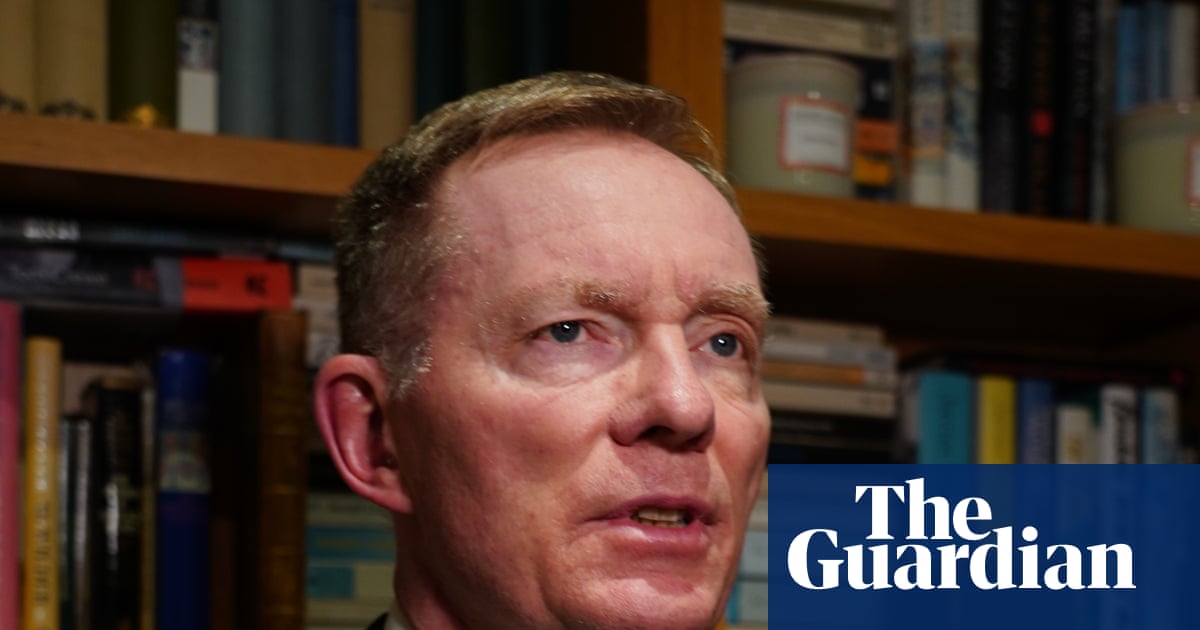
The Northern Ireland secretary of state, Chris Bryant, has officially banned the contentious Orange Order parade planned for Garvaghy Road in Portadown. The decision ends a prolonged two-week standoff between unionist marchers and nationalist residents who have blocked the route to prevent the procession from passing through their community. Bryant stated that he could not find a viable accommodation between the opposing sides, leading him to conclude that allowing the march would no longer serve the public interest.
The ban follows direct advice from Jon Boutcher, the chief constable of the Police Service of Northern Ireland. Boutcher informed the secretary of state that enabling the procession would require a major police intervention carrying an unacceptable risk of serious injury and widespread disorder. The police assessment suggested that the situation had deteriorated to a point where maintaining public safety was no longer feasible under the original parameters set by the Parades Commission.
Two weeks prior, the Parades Commission had ruled that the march could proceed along Garvaghy Road with specific restrictions in place. However, the scheduled date for the parade passed without the event taking place due to a large-scale protest organized by residents. The deadlock persisted as both sides remained entrenched in their positions, creating a volatile atmosphere in Portadown that drew attention across Northern Ireland and beyond.
Bryant explained that he had engaged with both the Orange Order and the Garvaghy Road residents in an attempt to resolve the dispute. Despite these efforts, no solution emerged that satisfied both parties or ensured public safety. The secretary of state noted that the circumstances surrounding the original Parades Commission determination had changed considerably, rendering the previous ruling without enduring legal effect in light of the current security assessment.
The decision has drawn sharp criticism from unionist organizations. The Portadown District Orange Order accused the police chief of abdicating his responsibility for policing Northern Ireland and claimed that Bryant had bowed to what they described as a republican mob. They argued that the ban rewarded criminal behavior and warned of self-evident consequences, stating they would cease further engagement with the PSNI.
Democratic Unionist Party leader Gavin Robinson echoed these sentiments, asserting that the inability to ensure the safe completion of the parade was a direct result of actions by Sinn Féin and their disregard for the Parades Commission's determination. He characterized the police referral to the secretary of state as an admission that public order could not be maintained given the political pressures exerted on law enforcement agencies.
Conversely, nationalist leaders expressed relief at the outcome. Sinn Féin president Mary Lou McDonald described the atmosphere on Garvaghy Road as one of joy and relief, stating that the threat of menace had been lifted from the community. She emphasized that residents had stood united against the march from the beginning and viewed the ban as a victory for right over intimidation.
Breandán Mac Cionnaith, a spokesman for the Garvaghy Road Residents' Coalition, acknowledged the decision as a win but noted it was tinged with sadness due to the long struggle involved. He suggested that the announcement should serve as a starting point for rebuilding strained community relations in Portadown rather than a cause for celebration. Taoiseach Micheál Martin also welcomed the move, highlighting its significance for community reconciliation across the island of Ireland.
The police have begun issuing letters to individuals reasonably suspected of committing offenses linked to the protests, inviting them for interviews. First Minister Michelle O'Neill confirmed she had received correspondence regarding these investigations. As the immediate crisis subsides, attention now turns to the broader implications for community relations and the role of state institutions in managing parading disputes in Northern Ireland.
This incident underscores the ongoing challenges in balancing civil liberties with public order in post-conflict societies. The intervention by the secretary of state highlights the limits of regulatory bodies like the Parades Commission when faced with entrenched opposition and security concerns. Future resolutions will likely require sustained dialogue and robust policing strategies to prevent similar standoffs from escalating into wider unrest.
Sources behind this briefing
Go to the original reporting
- The Guardian World↗Northern Ireland secretary Chris Bryant bans Drumcree parade
- BBC News↗NI secretary to ban the Drumcree parade