The short version
- Heads of state from Finland and Norway held a direct conversation with Vladimir Putin, sparking criticism from Denmark and Sweden for lack of prior coordination.
- The incident highlights broader European disunity regarding whether to engage Moscow directly and which officials should lead such diplomatic efforts.
- Analysts warn that fragmented outreach risks undermining collective pressure on Russia while complicating upcoming peace talks in Abu Dhabi.
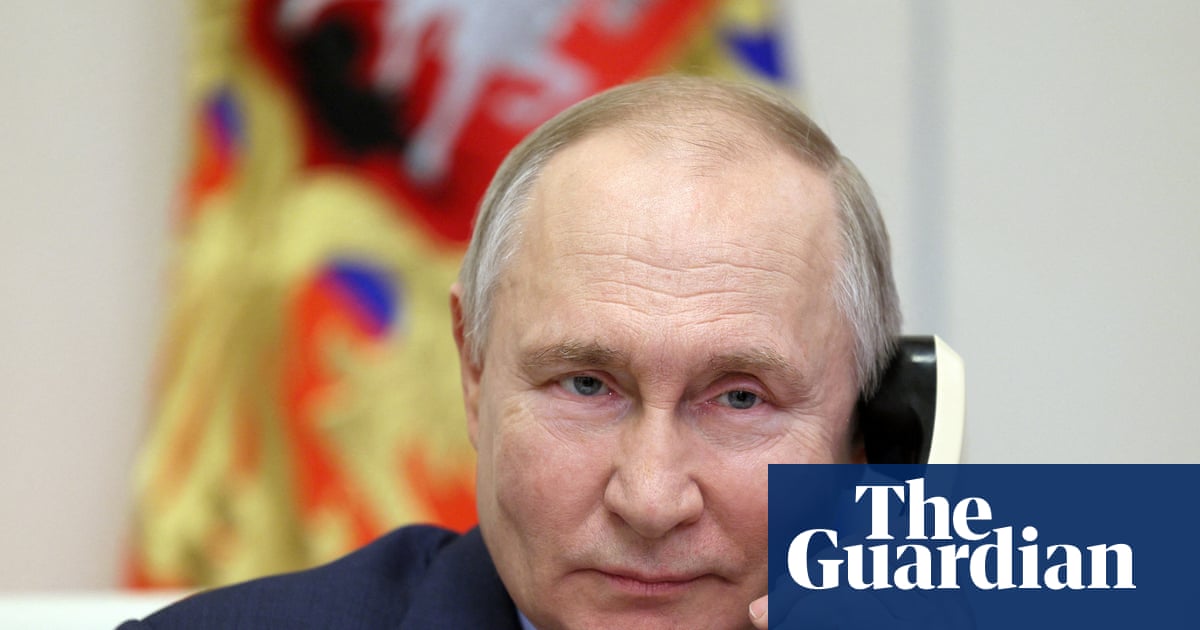
A rare high-level telephone conversation between Vladimir Putin and the leaders of Finland and Norway has ignited a diplomatic dispute within the Nordic region, revealing significant cracks in Europe’s unified approach to Russian aggression. President Alexander Stubb of Finland and Prime Minister Jonas Gahr Støre of Norway spoke with the Russian leader this week, an action that drew sharp rebukes from their neighbors in Denmark and Sweden. The friction underscores a growing struggle among European governments to determine not only whether to reopen direct channels with Moscow but also who holds the authority to speak on behalf of the continent.
Denmark’s Prime Minister Mette Frederiksen expressed strong skepticism regarding the independent initiative, noting that Copenhagen had not been consulted beforehand. She questioned the potential utility of such uncoordinated contact, suggesting it lacked a clear strategic purpose. Sweden’s Prime Minister Ulf Kristersson echoed these concerns, stating he was also unaware of the call until after it occurred. For a region known for its cohesive foreign policy stances, particularly concerning Russia, this public disagreement represents a notable departure from established norms.
The Finnish and Norwegian leaders defended their actions by emphasizing that the conversation was conducted on behalf of Ukraine and that allies had been informed in advance. Støre cited practical necessities, including the management of shared fish stocks in the Barents Sea and the maintenance of security along common borders, as justification for direct engagement. Stubb added that the dialogue aimed to prevent misunderstandings between Russia and its Nordic neighbors. However, analysts have pointed out inconsistencies in these justifications, noting that the call was initially framed as a vehicle for Ukrainian messages but appeared to broaden into a discussion of bilateral security concerns.
This incident serves as a microcosm of wider European divisions regarding diplomatic strategy toward Moscow. Since the summer, leaders have debated appointing a single representative to negotiate directly with Putin on ending the war in Ukraine, yet progress has been minimal. The urgency of this debate has intensified as political dynamics shift elsewhere, particularly with reports suggesting Donald Trump is moving closer to Moscow at Ukraine’s expense. European officials are increasingly anxious about being sidelined in negotiations that could define the continent’s security architecture for decades.
The current landscape of European outreach to Russia is characterized by a lack of centralized coordination. Various ambassadors from Britain, France, and Germany have held talks with Russian officials, while senior advisers to French President Emmanuel Macron and the office of European Council President António Costa have pursued their own lines of communication. This fragmented approach contrasts sharply with the diplomatic isolation imposed on Putin following Russia’s full-scale invasion in 2022, when most European leaders largely avoided direct contact with the Kremlin. Even Stubb, who campaigned on a promise not to answer calls from Putin during his 2024 presidential bid, has now engaged directly.
Experts describe the current situation as a chaotic free-for-all, where multiple leaders believe they can individually secure breakthroughs in negotiations. This lack of unity threatens to dilute the collective pressure Europe has exerted on Moscow. While there is broad agreement on the substance of supporting Ukraine, opinions diverge significantly on the timing and method of reopening high-level dialogue. France has long advocated for maintaining open channels with Putin, whereas Germany and Britain have adopted more cautious stances. Meanwhile, Baltic states and EU foreign policy chief Kaja Kallas worry that renewed engagement could relieve pressure on Moscow without yielding tangible concessions.
The question of legitimacy in diplomatic outreach remains contentious. Xavier Bettel, Luxembourg’s foreign minister, has faced criticism from colleagues for maintaining telephone contact with Putin after the invasion began. He noted that some European leaders questioned his authority to speak with both Russian and Ukrainian presidents given Luxembourg’s small size. This sentiment reflects a broader uncertainty about who should lead European efforts to engage Russia. Without a clear consensus on representation, individual initiatives like the recent Nordic call risk creating confusion rather than clarity.
As a new round of peace talks is expected in Abu Dhabi next month, the stakes for European coordination have never been higher. The inability to present a united front may weaken Europe’s bargaining position and allow other powers to dominate the narrative. Analysts warn that if governments continue to pursue disparate strategies, they risk undermining their own credibility and effectiveness. The coming weeks will likely test whether European leaders can overcome these internal rifts to establish a coherent diplomatic posture toward Moscow.
The disagreement between Nordic neighbors highlights the difficulty of balancing national interests with collective security goals. While Finland and Norway argue that direct contact is necessary for regional stability, their partners fear it may signal weakness or division. As Europe navigates this complex diplomatic terrain, the challenge lies in finding a middle ground that preserves unity while allowing for pragmatic engagement. The outcome of these internal debates will have lasting implications for Ukraine’s future and the broader European security order.
Ultimately, the incident serves as a cautionary tale about the dangers of uncoordinated diplomacy in times of crisis. Without a shared strategy, individual actions can inadvertently complicate broader efforts to resolve conflict. European leaders must now decide whether to consolidate their approach or continue down separate paths, knowing that each choice carries significant geopolitical consequences. The world will be watching closely to see if Europe can find its voice before it is too late.
Sources behind this briefing
Go to the original reporting
- The Guardian World↗Pragmatic or pointless? Europe’s rift over whether to pick up the phone to Putin