The short version
- Sanrio terminated its merchandise collaboration with the Japanese spy thriller Vivant following intense criticism from Chinese state media and social users regarding the show's portrayal of Chinese operatives.
- The controversy underscores the severe risks international brands face in the Chinese market as diplomatic tensions between Japan and China reach historic lows over issues including Taiwan and historical grievances.
- While Sanrio cites a misalignment with its core values of harmony, Chinese officials framed the company’s retreat as a necessary warning to foreign entities engaging with content deemed hostile to Beijing.
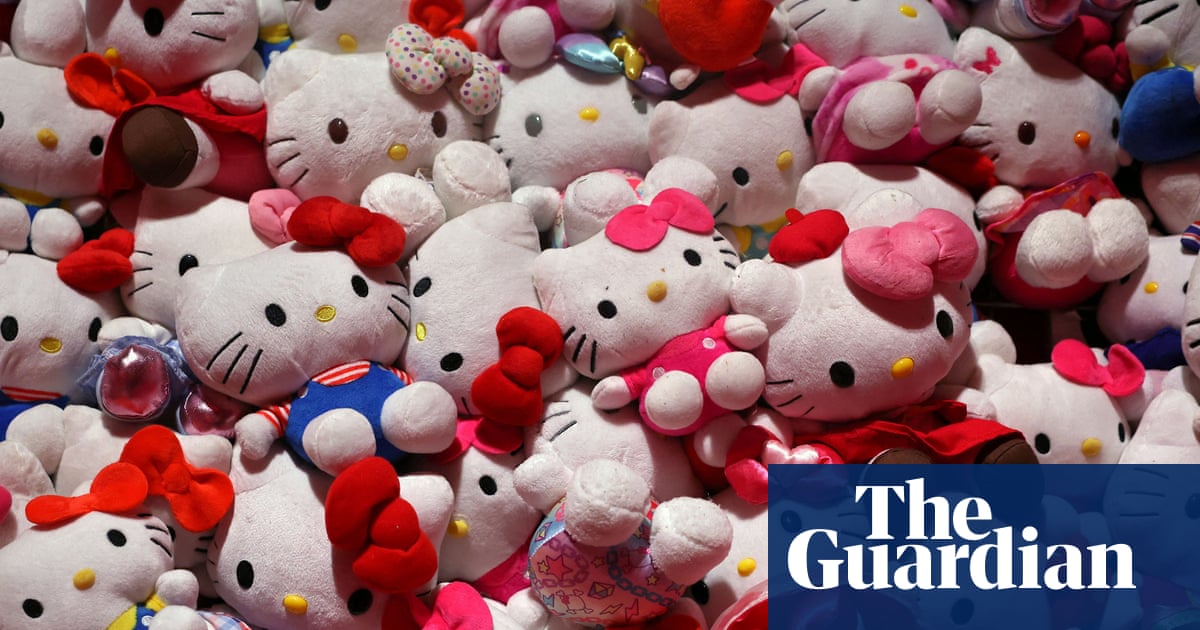
Sanrio, the Japanese corporation responsible for the globally recognized Hello Kitty franchise, has officially ended its commercial partnership with the television drama Vivant. The decision follows a wave of condemnation from Chinese state media and online communities regarding the show’s second season, which features scenes depicting Chinese agents employing brutal torture methods against a Japanese intelligence officer. In a statement posted on Weibo, Sanrio announced that it had concluded the series contained elements inconsistent with its corporate philosophy of fostering harmony and connection among people.
The specific episode in question, which aired in early October, showed a Chinese character cutting off the fingers of a Japanese operative and stabbing him in the abdomen. Chinese state-run outlets, including CCTV and the Global Times, argued that these fictional acts mirrored historical atrocities committed by Japanese troops against Chinese civilians during World War II. Critics asserted that attributing such violence to modern Chinese characters distorted historical truth and served as a deliberate smear campaign against Beijing.
Sanrio’s response emphasized its commitment to reviewing future collaborative projects more rigorously. The company stated it takes the feedback seriously and aims to strengthen internal processes to ensure alignment with its brand values. This move comes at a time when China represents a critical revenue stream for Sanrio, which reported over 781 million yuan in sales from the Chinese market in the first half of this year alone, marking a significant increase from the previous period.
The incident occurs against a backdrop of severely strained diplomatic relations between Japan and China. Tensions escalated last November when Japanese Prime Minister Sanae Takaichi suggested that an attack on Taiwan could trigger the deployment of Japan’s self-defense forces if it posed an existential threat to Tokyo. Beijing has since responded with economic and cultural pressure, including restrictions on rare earth exports, curbs on tourism, and the recall of giant pandas from Japanese zoos.
Despite the diplomatic chill, Takaichi recently indicated she had recorded episodes of Vivant and intended to watch them during the upcoming holidays. This personal endorsement by a top political figure appears to have intensified scrutiny of the show in China. State media outlets used the controversy to criticize Sanrio for associating with what they described as right-wing Japanese content, warning that such partnerships could erode the trust and emotional bond the brand has cultivated over decades.
A spokesperson for the Chinese foreign ministry characterized Sanrio’s decision to sever ties as a necessary lesson for the international community. The official statement suggested that the incident should serve as a warning to discerning individuals in Japan and abroad about the consequences of engaging with media content perceived as hostile to China. This rhetoric aligns with a broader pattern of Beijing leveraging consumer sentiment to enforce diplomatic boundaries.
The backlash against Sanrio is part of a wider trend of international figures facing repercussions in China for perceived slights. Just days prior, French footballer Kylian Mbappé was dropped by several Chinese brands after he referred to Mao Zedong as a dictator during an interview. Although Mbappé later apologized for his remarks, the swift commercial response highlights the sensitivity surrounding historical and political narratives in the region.
TBS, the Japanese network that produces Vivant, defended the series as entirely fictional with no intent to disparage any nation. Masamine Ryuho, president of TBS, stated that the show’s narrative does not target specific countries. However, the distinction between fiction and historical resonance has proven difficult to navigate in the current geopolitical climate, where media portrayals are increasingly viewed through the lens of national security and diplomatic standing.
As Sanrio distances itself from the controversy, the episode illustrates the complex intersection of entertainment, commerce, and international politics. Brands operating in multiple markets must now balance creative partnerships with the potential for rapid diplomatic fallout. The situation remains fluid, with no indication that the broader tensions between Tokyo and Beijing will ease in the near term.
Observers note that while Sanrio has mitigated immediate reputational damage by ending the partnership, the incident may have long-term implications for how Japanese cultural exports are received in China. The company’s emphasis on harmony contrasts sharply with the violent imagery that sparked the outrage, leaving questions about how effectively corporate statements can repair fractured public sentiment in highly charged political environments.
Sources behind this briefing
Go to the original reporting
- The Guardian World↗Hello Kitty company cuts ties with Japanese spy show after China outcry
- BBC World↗Hello Kitty maker cuts ties with Japanese spy drama after China backlash