The short version
- Visual deterrents including spinning buoys and kites reduced seabird bycatch rates by nearly two-thirds in a rigorous two-year study off the coast of Cornwall.
- The research, led by University of Exeter scientists, identified winter months as the peak period for accidental captures, allowing for more targeted deployment of mitigation tools.
- Conservation groups and marine technology firms view these findings as a critical step toward implementing effective, non-intrusive measures that protect endangered species without hindering commercial fishing operations.
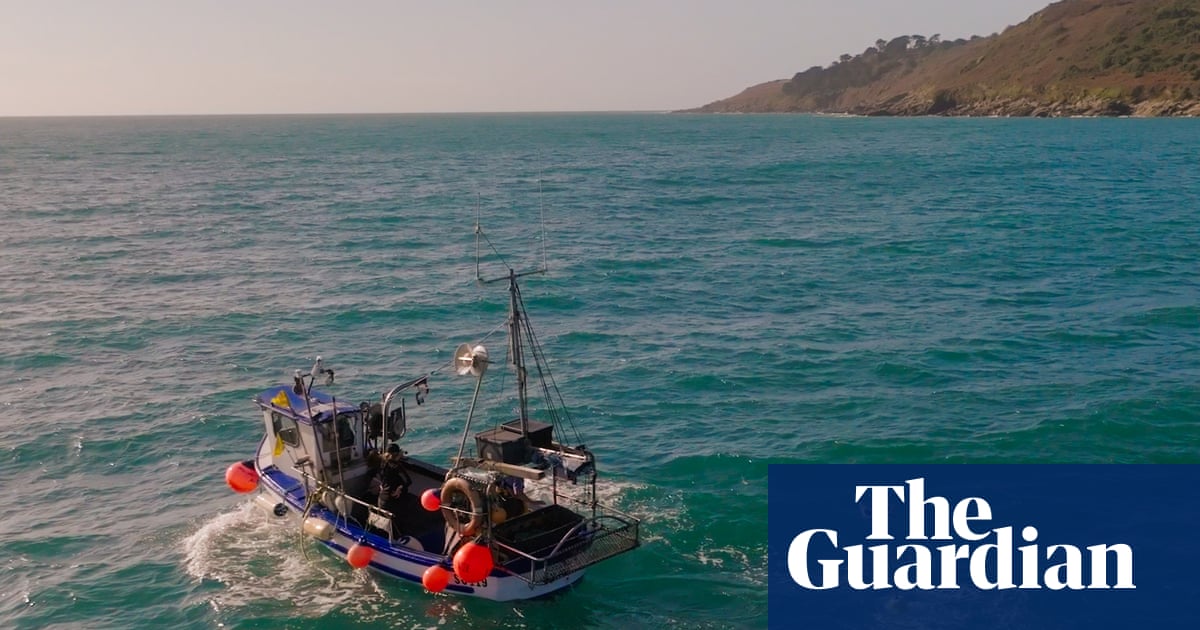
A collaborative effort between Cornish fishermen, marine technology developers, and conservation scientists has yielded significant progress in reducing the accidental capture of seabirds in fishing gear. A two-year field trial conducted off the coast of Cornwall demonstrates that simple visual deterrents can substantially lower the number of diving birds trapped in gillnets. The study, published in the journal Conservation Letters, provides robust evidence that these low-tech solutions are effective in real-world commercial fishing environments.
The primary devices tested were a floating buoy equipped with a spinning head featuring large eyes, known as a looming-eyes buoy, and commercially available bird-shaped kites. These tools are designed to startle diving birds such as razorbills and guillemots, preventing them from approaching the vertical walls of netting that hang beneath the surface. Ten local fishers participated in the trial, working with Fishtek Marine, the company responsible for creating the buoy device, to install cameras on their vessels. This setup allowed researchers to monitor seabird behavior and assess the efficacy of the deterrents directly.
The results indicate a marked reduction in bycatch when these devices are employed. Data analysis revealed that the use of the looming-eyes buoy decreased the likelihood of seabirds being caught by 59 percent. The bird-shaped kites proved even more effective, reducing capture rates by 71 percent. These figures represent a significant improvement over standard practices where no deterrents are used, suggesting that visual scares can be a powerful tool in mitigating one of the most persistent threats to marine avian populations.
Accidental entanglement in fishing gear remains a severe conservation challenge across European waters. It is estimated that approximately 95,000 diving birds die annually after becoming trapped in nets along these coasts. Razorbills and guillemots are among the species most frequently affected, with many populations already classified as endangered or vulnerable. The high mortality rate underscores the urgency of finding practical solutions that do not require expensive technological overhauls or drastic changes to fishing methods.
The study also provided valuable insights into the timing of these incidents. Researchers found that the majority of seabird bycatch in Cornwall occurs during the winter months. This seasonal pattern offers a clear opportunity for targeted intervention. By focusing the deployment of deterrents during periods of highest risk, fishers and conservationists can maximize the impact of their efforts while minimizing unnecessary equipment usage during safer seasons.
Tom Horton, the lead author from the University of Exeter, emphasized the strength of the evidence gathered. He noted that the study offers some of the most compelling data to date regarding the ability of simple deterrents to reduce bycatch in gillnet fisheries. The identification of specific high-risk times and locations allows for a more strategic approach to conservation. This precision helps ensure that mitigation measures deliver the greatest possible benefit to vulnerable seabird populations.
Yann Rouxel, who manages the bycatch program at the RSPB, highlighted the importance of moving from research to implementation. After more than ten years of studying gillnet bycatch and potential solutions, he described the trial results as a major milestone. The success of both the buoy and the kite demonstrates that it is possible to reduce harm to seabirds without impeding the ability of fishers to operate their vessels effectively.
The practical significance of these findings lies in their simplicity and cost-effectiveness. Unlike complex electronic monitoring systems or mandatory gear modifications, visual deterrents are relatively easy to deploy and maintain. This accessibility may encourage broader adoption among fishing communities who might otherwise resist more intrusive conservation measures. The collaboration between industry participants and scientists suggests a growing willingness to integrate ecological safeguards into daily operations.
Looking ahead, the focus will likely shift toward scaling up these interventions. With clear evidence of efficacy and a better understanding of seasonal risks, stakeholders can work on guidelines for widespread use. The goal is to create sustainable fishing practices that protect marine biodiversity while supporting the livelihoods of those who depend on the sea. This trial represents a promising step toward balancing economic activity with environmental stewardship.
As conservation efforts continue to evolve, the integration of practical, science-backed solutions remains essential. The success of the looming-eyes buoy and bird kites in Cornwall offers a model that could be adapted for other regions facing similar bycatch challenges. By addressing the root causes of accidental captures through targeted, non-intrusive methods, the fishing industry can contribute meaningfully to the recovery of endangered seabird populations.
Sources behind this briefing
Go to the original reporting
- The Guardian World↗Floating scarecrows: how Cornish fishers are stopping seabirds drowning in their nets