The short version
- A newly identified amoeba reproduces at 145 degrees Fahrenheit, breaking the previous record for eukaryotic survival.
- The finding contradicts scientific assumptions that complex cell membranes cannot remain stable above 144 degrees Fahrenheit.
- Genetic analysis reveals specific protein adaptations that may inform biotechnology and astrobiology research.
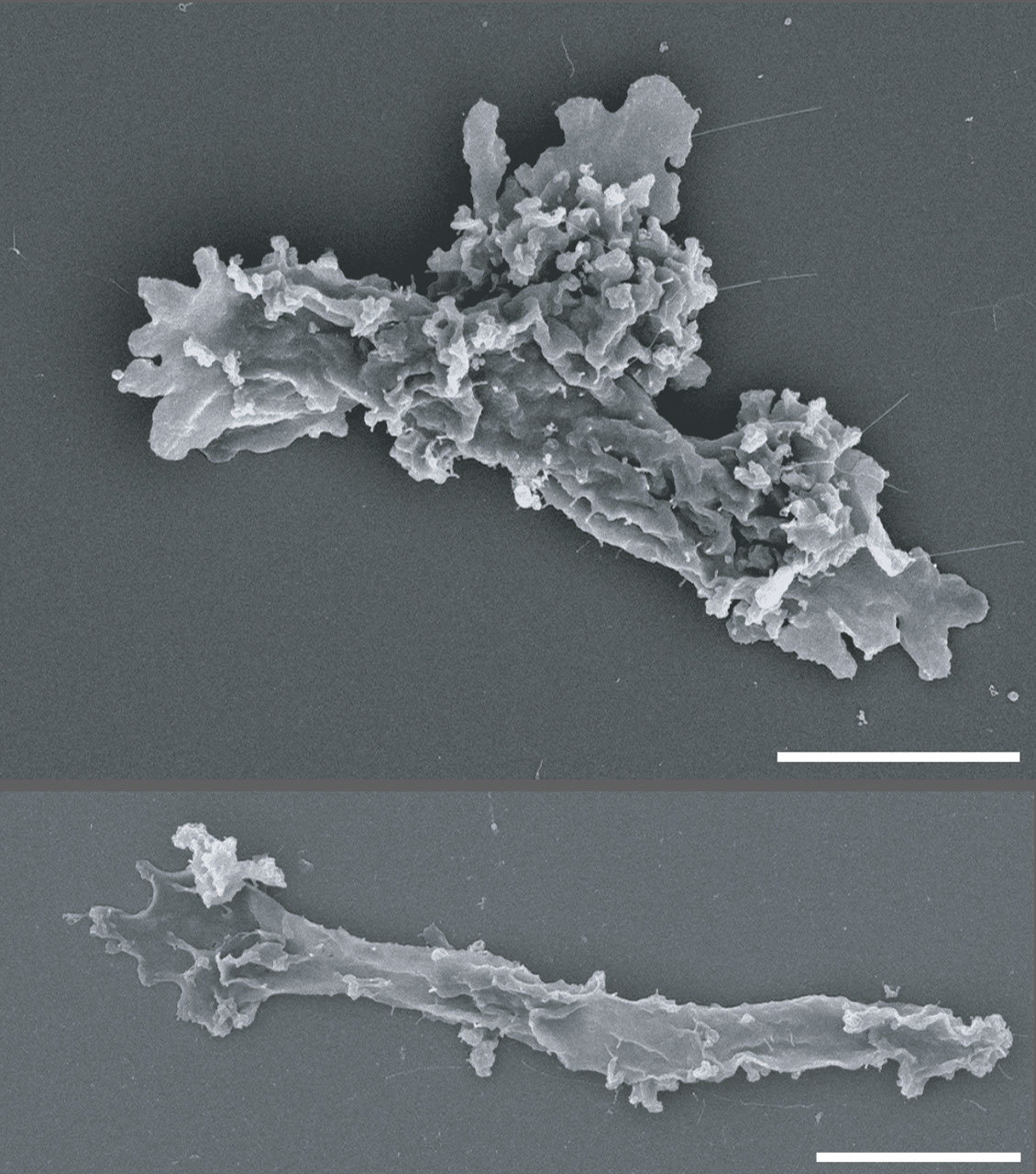
Scientists supported by NASA have identified a single-celled organism capable of reproducing at temperatures previously considered lethal to complex life forms. The discovery, published in the journal Cell, centers on an amoeba found in the geothermal waters of Lassen Volcanic National Park in California. This organism, named Incendimentoeba cascadensis, successfully divides at 145 degrees Fahrenheit (63 degrees Celsius), establishing a new upper thermal limit for eukaryotes.
The significance of this finding lies in the structural complexity of eukaryotic cells. Unlike prokaryotes such as bacteria and archaea, which lack a nucleus and membrane-bound organelles, eukaryotes possess intricate internal machinery including mitochondria and endoplasmic reticulum. These components are encased in delicate membranes that scientists had long believed would destabilize and break apart at temperatures exceeding 144 degrees Fahrenheit (62 degrees Celsius). The survival and reproduction of I. cascadensis directly refute this assumption.
Prior to this study, the highest temperature recorded for eukaryotic life was approximately 140 degrees Fahrenheit (60 degrees Celsius), a threshold set by certain species of fungi and red algae. Prokaryotes, which are simpler in structure, have long been known to thrive in much harsher conditions. Because they lack the complex internal structures found in eukaryotes, prokaryotes have fewer components susceptible to heat-induced damage. This new evidence suggests that complex cells may possess greater thermal resilience than previously estimated.
While reproduction ceases above 145 degrees Fahrenheit, the amoeba remains active at even higher temperatures. Researchers observed the organism moving and searching for food at up to 147 degrees Fahrenheit (64 degrees Celsius). This distinction between reproductive capability and mere survival is critical for understanding the absolute boundaries of habitability. The creature’s ability to function in such extreme heat challenges the notion that complex biological processes are strictly limited by lower thermal thresholds.
The research team, led by Beryl Rappaport of Syracuse University, sequenced the genome of I. cascadensis to understand how it withstands such intense heat. They identified numerous genes dedicated to stabilizing DNA and preventing its degradation under thermal stress. Additionally, the study highlighted genes that allow the organism to sense its external environment and adjust accordingly. At elevated temperatures, the expression of specific genes increased, particularly those involved in maintaining proper protein folding, a process essential for cellular function.
One key adaptation discovered involves the surface charge of certain proteins within the amoeba. These proteins exhibit a high positive surface charge, which helps them remain stable despite the blistering heat. This mechanism mirrors strategies found in thermophilic bacteria and archaea, suggesting that complex eukaryotes may have evolved similar protective measures to simpler organisms. The convergence of these traits across different domains of life indicates that certain molecular solutions to thermal stress are universal.
The implications of this discovery extend beyond Earth-based biology into the field of astrobiology. Scientists study extremophiles—organisms that thrive in extreme conditions—to determine where life might exist on other planets, such as Mars. By expanding the known temperature range for complex life, this research broadens the potential locations where scientists might look for biological signatures elsewhere in the universe. It suggests that environments once deemed too hot for complex organisms could still harbor viable ecosystems.
Furthermore, the unique proteins produced by extremophiles hold promise for applications in biotechnology and medicine. Industrial processes often require enzymes that can function at high temperatures without denaturing. Understanding how I. cascadensis maintains protein stability could lead to the development of new industrial tools or medical treatments. The team also compared genetic data from global geothermal sites, including New Zealand and Yellowstone National Park, finding similar DNA sequences, which hints that heat-tolerant eukaryotes may be more widespread than currently documented.
This study underscores the limitations of previous research, which was partly constrained by assumptions about membrane stability. The lead author noted that the discovery encourages further exploration for other high-temperature eukaryotes. As scientists continue to probe the edges of habitability, they are likely to find that life’s adaptability exceeds current models. The identification of I. cascadensis serves as a reminder that biological boundaries are often defined by what we have yet to look for, rather than absolute physical limits.
Sources behind this briefing
Go to the original reporting
- NASA↗NASA-Funded Research Finds Complex Life Defying Record Heat

