The short version
- A major newspaper investigation details six new allegations of sexual misconduct against Russell Brand, spanning incidents from 2004 to 2015.
- The accusations include claims of non-consensual sex, ignoring requests to stop during intercourse, and coercive behavior toward fans and staff.
- Brand’s legal team declined to comment on the specific allegations after his recent conviction for rape and sexual assault in London.
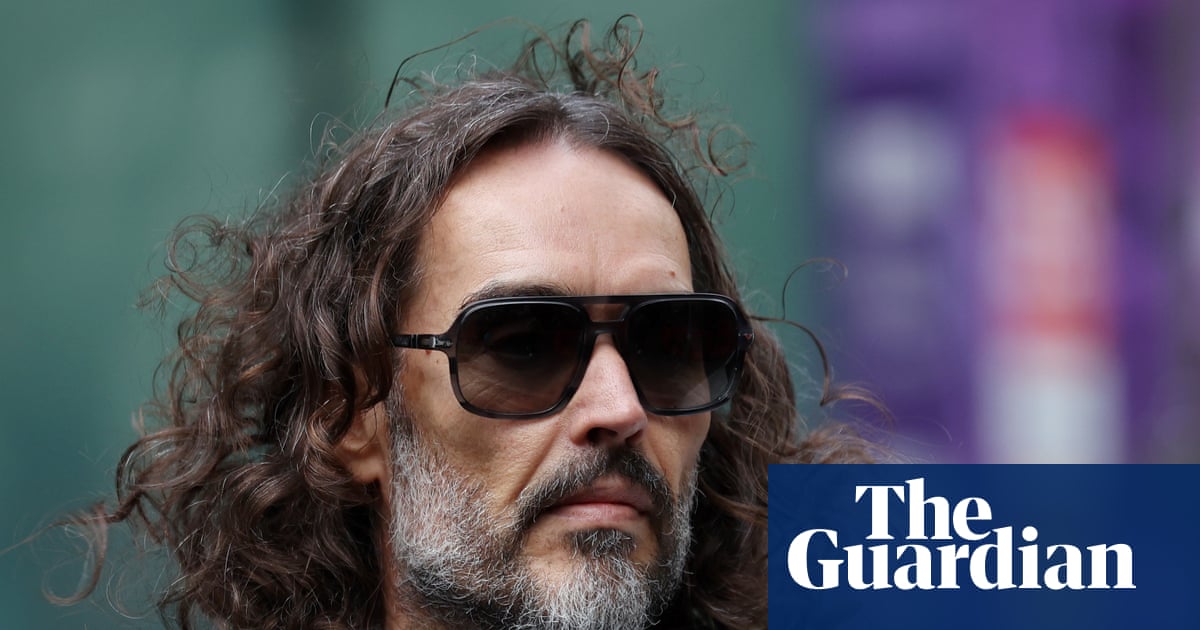
A significant development has emerged in the ongoing scrutiny of British comedian Russell Brand, with a new report detailing allegations of sexual misconduct from six additional women. The accusations were published by The Times and the Sunday Times immediately after Brand was sentenced to more than ten years in prison on Monday. His conviction followed a trial at Southwark Crown Court in London, where he was found guilty of raping a 21-year-old fan and sexually assaulting three other women in separate incidents occurring between 2004 and 2009.
The newly reported allegations span over a decade, beginning in the mid-2000s and extending to 2015. One woman described an encounter in the late 2000s at Brand’s London home following a professional meeting. She alleged that during an intimate moment, she noticed he was not wearing a condom and asked him to stop. According to her account, he continued to press forward despite her verbal refusal and physical attempts to move away. She stated she ultimately chose not to physically fight back due to fear of his potential reaction, noting that he later apologized both in person and via text message.
Another accuser recounted an incident from 2007 when she was nineteen years old. She claimed that during sexual activity, she informed Brand that it was painful and explicitly asked him to stop. Her account states that he ignored her request and continued until the pain intensified. Afterward, she said he insisted that the encounter had been consensual and that no one had done anything they did not want to do. This pattern of alleged disregard for consent is echoed in other accounts provided to the newspapers.
The report also includes allegations from fans who encountered Brand at public events. One woman, then in her late twenties, described meeting him after a performance in San Francisco in 2013. She alleged that he manhandled her and forced his hand down her trousers, adding that she did not resist but simply allowed the event to unfold. Another fan, aged nineteen in 2005, claimed Brand approached her at a music festival and offered to pay for sex, stating he needed it urgently. These accounts suggest a pattern of leveraging his celebrity status to initiate unwanted physical contact.
Further allegations involve interactions with individuals who had professional or semi-professional connections to Brand. A woman in her late twenties won a competition on BBC 6 Music in 2006 and was invited as a guest on his show. She alleged that after sporadic meetings over the following year, Brand asked her to lick a toilet seat at his home. When she refused, he reportedly became angry, expressing frustration that she would not allow him to humiliate her. Another woman working at a London venue in 2015 said a staff member told her Brand wanted to see her in the disabled toilets. She claimed that upon entering the darkened room, he grabbed her under the pretense of needing toilet paper.
The newspapers emphasized that these allegations were withheld until the conclusion of Brand’s criminal trial to avoid prejudicing the legal proceedings. The investigation involved extensive corroboration efforts, and the publication confirmed that none of the sources were paid for their accounts. Brand’s legal representatives were approached for comment after his conviction but did not provide a response regarding the new allegations, despite being given additional time and an agreed deadline passing. His lawyer indicated he would consider injunctive relief but offered no substantive rebuttal to the specific claims.
Brand has previously denied wrongdoing in past controversies, asserting that all his relationships were consensual. However, the volume and detail of these new accounts have intensified public scrutiny. The Prime Minister, Andy Burnham, responded to the conviction and the subsequent allegations by calling on the media industry to examine its own practices. He urged the sector to step forward and implement better protections for women and girls, citing this case alongside other recent investigations into misconduct within the entertainment industry.
The timing of the report underscores the broader cultural reckoning with sexual misconduct in high-profile circles. While Brand remains incarcerated following his sentencing, the release of these additional allegations suggests that the legal resolution of his criminal case does not mark the end of public accountability. The media’s decision to publish now, after ensuring no interference with the trial, highlights a careful balance between journalistic duty and legal fairness. As the industry reflects on these events, the focus shifts toward systemic changes rather than individual cases alone.
Sources behind this briefing
Go to the original reporting
- The Guardian World↗Russell Brand accused of misconduct by six more women, according to report