The short version
- Jensen Huang has resigned as Nvidia CEO, with CFO Colette Kress named interim leader following allegations of misconduct and potential national security breaches.
- Reports indicate Huang’s romantic partner held stakes in businesses linked to supplying computing power to Huawei, raising questions about conflict of interest and chip diversion.
- The company faces intensified scrutiny over export control violations, with investigations into intermediaries like Megaspeed and broader concerns about Nvidia’s oversight of its supply chain.
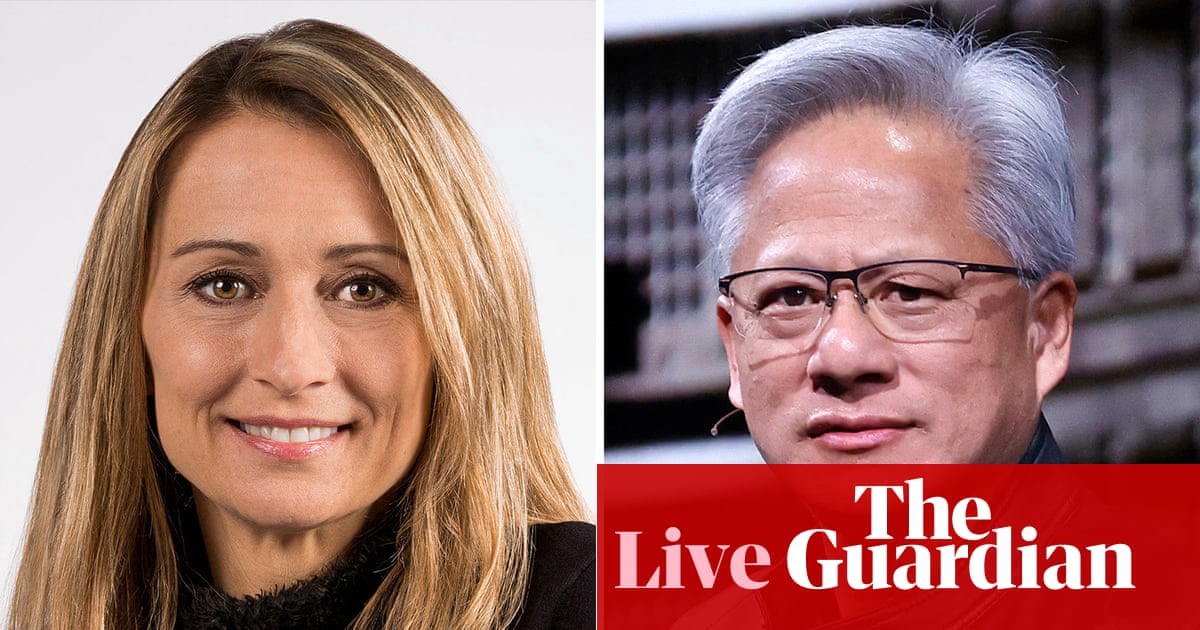
Jensen Huang has stepped down as chief executive officer of Nvidia, marking a dramatic end to his tenure as the sole leader of the artificial intelligence giant. The company’s board announced the resignation on Thursday, appointing Chief Financial Officer Colette Kress as interim CEO to stabilize operations during this period of intense scrutiny. This leadership change follows a rapid succession of damaging reports alleging personal misconduct and potential violations of U.S. export controls, which have cast doubt on Huang’s oversight of the company’s global business practices.
The immediate catalyst for the resignation appears to be revelations regarding Huang’s romantic relationship with Alice Huang, an executive at Megaspeed, a Singapore-based firm. Intelligence analysts from Tesari, whose research is utilized by private corporations and U.S. government agencies, identified connections between Alice Huang and businesses that allegedly supplied Nvidia computing power to Huawei, one of Nvidia’s primary competitors in China. These links emerged around the same time Jensen Huang and Alice Huang were first seen together publicly in December, raising serious questions about whether the former CEO was aware of his partner’s ties to rival interests.
Beyond the personal scandal, significant concerns have been raised about Nvidia’s compliance with strict U.S. export regulations on high-end semiconductor technology. While Huang previously asserted that Nvidia held zero market share in China due to these controls, short-seller reports from Culper Research suggested otherwise. They estimated that more than 20 percent of Nvidia’s compute revenues for fiscal year 2026 were still driven by Chinese markets, facilitated through illegal diversion and Southeast Asian intermediaries. Megaspeed was identified as Nvidia’s largest buyer in the region, yet investigations revealed its physical presence to be largely nonexistent, with offices described as empty or dilapidated.
The opacity surrounding Megaspeed has deepened suspicions of illicit activity. Singaporean media outlets reported finding no signs of active business operations at Megaspeed’s listed addresses, and one tenant noted the premises remained dark for extended periods. The company’s sole director, Tan Yong Pong, has reportedly vanished, while the parent entity, Swiftdata, lists an interior design firm’s office as its business address. Alice Huang, who has surfaced in Beijing, is currently barred from entering Singapore after allegedly providing inaccurate information to police authorities. These details suggest a complex network of shell companies designed to obscure the flow of restricted technology.
Further complicating the situation are allegations involving other partners closely tied to Huang. Super Micro Computer, a key Nvidia partner run by Charles Liang, an old friend of Huang’s, has been implicated in separate fraud cases. Co-founders of Super Micro allegedly defrauded U.S. authorities by acting as pass-throughs for a front company that purchased $2.5 billion worth of Nvidia chips for Alibaba. Although Liang and Super Micro have not been formally charged, the association highlights broader vulnerabilities in Nvidia’s supply chain oversight. Additionally, another approved buyer, New Matrix, has been linked to firms blacklisted by the U.S. government or working as military contractors in China.
Huang had consistently maintained that there was no evidence of AI chip diversion from Nvidia, a stance he defended emphatically in previous statements. However, the resignation suggests that internal and external pressures have made this position untenable. Reports indicate that Nvidia may have intervened in a 2025 Commerce Department investigation into Megaspeed, effectively halting the probe. This intervention has drawn political backlash, with Treasury Secretary Scott Bessent reportedly confronting Commerce Secretary Howard Lutnick over the failure to flag Megaspeed as a national security concern. More than half a dozen Republican lawmakers have demanded answers regarding these lapses in regulatory oversight.
The financial markets reacted swiftly to the news of Huang’s departure. Nvidia shares plummeted more than 13 percent when U.S. markets opened on Thursday, reflecting investor anxiety over the company’s governance and legal exposure. Although the stock recovered some ground later in the day, the volatility underscores the severity of the crisis. The lack of a pre-established succession plan, a hallmark of Huang’s long tenure, has left the company scrambling to manage both operational continuity and reputational damage. Kress, as interim CEO, faces the daunting task of restoring confidence among investors, regulators, and partners.
Looking ahead, Jensen Huang is expected to testify before U.S. Congress, where lawmakers will likely probe the extent of his knowledge regarding the alleged smuggling operations and conflicts of interest. The testimony could reveal whether the board’s decision to remove him was driven primarily by personal misconduct or deeper systemic failures in compliance. As investigations continue into Megaspeed and other intermediaries, Nvidia must navigate a precarious landscape where national security concerns intersect with corporate governance. The outcome of these proceedings will determine not only the future leadership of the company but also its standing in the global AI industry.
This scandal marks a pivotal moment for Nvidia, challenging the narrative of Huang as an indispensable figure in Silicon Valley. The convergence of personal indiscretions and alleged regulatory breaches has exposed weaknesses in the company’s risk management framework. While Kress assumes temporary control, the board must address fundamental questions about oversight and accountability. The coming weeks will be critical in determining whether Nvidia can recover from this crisis or if it faces long-term consequences that could reshape its competitive position in the rapidly evolving artificial intelligence sector.
Sources behind this briefing
Go to the original reporting
- The Guardian World↗Nvidia’s Jensen Huang to testify to US Congress amid scandal, reports say, as CFO Colette Kress replaces him as interim CEO – follow live
- BBC Business↗Jensen Huang has resigned, what's next for Nvidia?
- BBC World↗Jensen Huang has resigned, what's next for Nvidia?
- The Verge↗The Jensen Huang scandal is hardly over