The short version
- Netflix’s 'Monster: The Lizzie Borden Story' introduces fictional elements, including a queer romance subplot, to the historical narrative of the 1893 murders.
- Experts note that female killers are statistically rare, leading to disproportionate media sensationalism and mythologizing of their crimes.
- The renewed interest parallels historical patterns where high-profile cases involving women trigger broader societal debates about justice and gender.
A new television series has brought the century-old case of Lizzie Borden back into the public eye, reigniting discussions about the enduring fascination with female perpetrators of violence. Netflix’s 'Monster: The Lizzie Borden Story' premiered recently, offering a dramatized retelling of the 1893 axe murders in New Bedford, Massachusetts, where Andrew and Abby Borden were killed. While the historical record shows that Lizzie Andrew Borden was acquitted after a trial lasting just one hour for jury deliberation, the new series takes creative liberties with the facts.
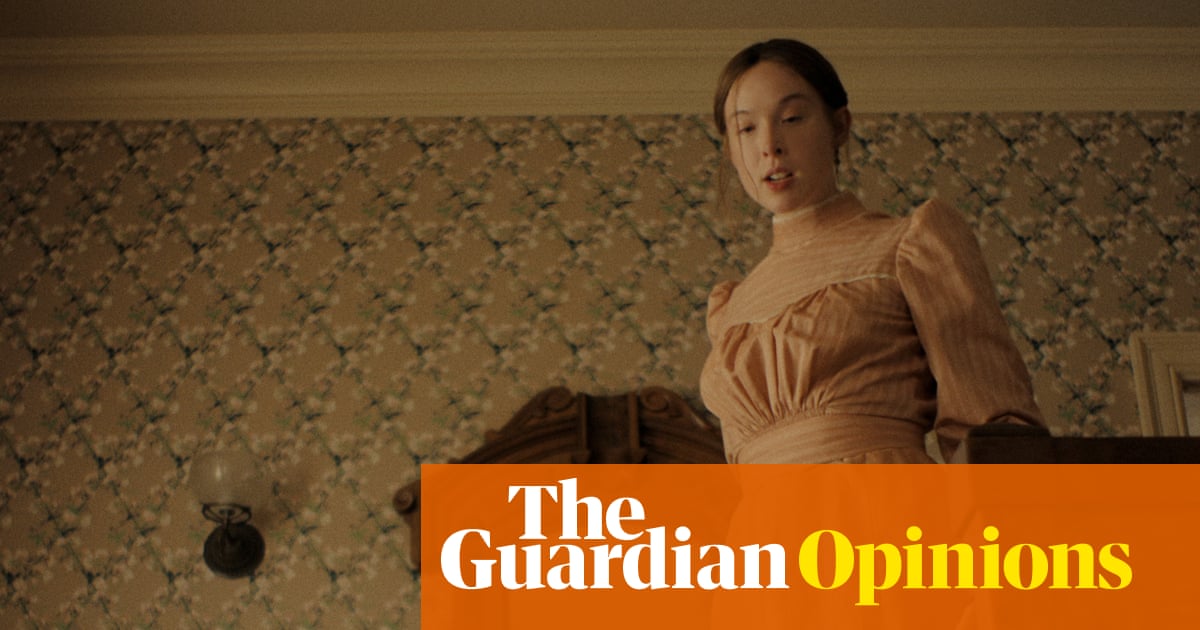
The show opens with a depiction of Borden committing the murders and frames the narrative around a fictionalized queer romance between Borden and the family’s housemaid, Bridget Sullivan. This artistic choice has drawn attention from critics and historians alike, who are examining how modern media interprets historical events. The series is part of Netflix’s 'Monster' franchise, which explores notorious criminal cases through a dramatic lens. The cast includes actors portraying key figures from the trial, aiming to capture the psychological drama surrounding the event.
The surge in public interest, evidenced by significant traffic to informational pages about Borden, suggests that the release has triggered widespread curiosity. However, this attention also highlights a broader cultural trend: the sensationalization of female killers. Rebecca Rideal, writing for The Guardian, argues that society remains obsessed with 'female rage,' often forcing women accused of violence into recognizable tropes such as the femme fatale or the wrongfully accused victim. This fascination persists despite the statistical rarity of female homicide perpetrators.
Historical data supports the notion that female killers are an anomaly in criminal statistics. In England and Wales between 2019 and 2022, women represented only 7% of convicted homicide suspects. Globally and historically, homicide is predominantly a male crime in terms of both perpetrators and victims. This rarity means that when women do commit or are accused of violent crimes, they often become the face of wider societal debates about crime, punishment, justice, and womanhood.
The Borden case is not unique in this regard. History offers numerous examples of female killers who sparked national conversations. The execution of Marie Manning in 1849 for the murder of her lover drew tens of thousands of spectators, including Charles Dickens, and generated massive sales of broadsheets. Her case triggered a debate about the ethics of public executions, which were abolished in Britain less than two decades later. Similarly, the trial of Christiana Edmunds, known as the 'chocolate poisoner,' forced Victorian society to confront uncomfortable truths about female agency and violence.
The mythmaking around Lizzie Borden began almost immediately after her acquittal. From fevered speculation about her motives to the infamous nursery rhyme that has endured for over a century, the story has been retold in countless films and television productions. Each iteration adds new layers of interpretation, often reflecting the cultural anxieties of the time rather than strict historical accuracy. The latest version’s inclusion of a fictional romance subplot is just one example of how creators reshape history to fit contemporary narratives.
Critics argue that this trend can be unhelpful, as it may obscure the realities of gender-based violence and the systemic issues surrounding justice. By focusing on the sensational aspects of individual cases, media coverage often overlooks the broader context of why these crimes occur and how they are processed by the legal system. The disparity between male and female homicide rates remains a significant factor in understanding why female perpetrators receive such disproportionate attention.
As viewers engage with 'Monster: The Lizzie Borden Story,' questions remain about the impact of such dramatizations on public perception. Does the fictionalization of historical events contribute to a deeper understanding of the past, or does it merely reinforce existing stereotypes? The case of Lizzie Borden continues to haunt the cultural imagination, serving as a mirror for society’s ongoing struggle to explain and justify violent women.
The renewed interest in the Borden case also underscores the enduring power of true crime as a genre. Audiences are drawn to stories that challenge conventional notions of gender and morality, even if those stories are based on incomplete or disputed facts. The trial itself was marked by intense media interest, with prosecutors arguing that Borden had burned her clothing to hide evidence of blood. Despite these claims, the jury found her not guilty, leaving many questions unresolved.
What remains unclear is how this new iteration will influence future interpretations of the case. Will it add to the mythos or provide a more nuanced view of the historical record? Only time will tell. For now, the Borden story continues to captivate audiences, proving that some mysteries are too compelling to fade into obscurity.
Sources behind this briefing
Go to the original reporting
- The Guardian US↗From Lizzie Borden to Myra Hindley, why are we still so fascinated with female killers? | Rebecca Rideal
- Fall River Herald News↗The real Lizzie Borden evidence – but what about the skulls? Exclusive
- Netflix↗Meet the Murderous Cast of Monster: The Lizzie Borden Story
- Britannica↗Lizzie Borden | Murders, Netflix, Story, Rhyme, Trial, & House