The short version
- Metropolitan Police arrested approximately 48 individuals during a demonstration outside the US embassy in London, citing unlawful support for a proscribed organization.
- The protest marks the first significant civil disturbance under Prime Minister Andy Burnham, with organizers estimating hundreds attended despite police warnings of a robust operation.
- A supreme court appeal regarding the group's terrorist designation is scheduled for early November, while government officials maintain their stance on the ban.
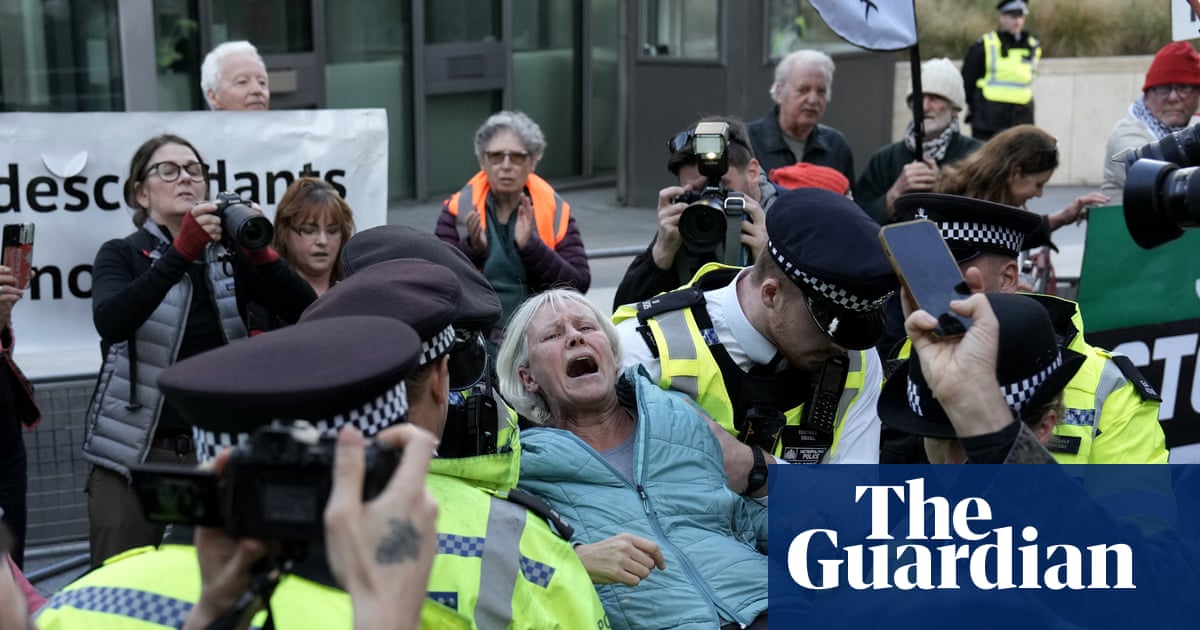
Approximately forty-eight individuals were taken into custody by Metropolitan Police officers during a demonstration outside the United States embassy in London’s Battersea district. The arrests occurred as hundreds of people gathered to oppose the recent proscription of Palestine Action, an activist group designated as a terrorist organization by the UK government. This event represents the first large-scale public unrest under the premiership of Andy Burnham, signaling immediate friction between new administration policies and segments of the public.
Police commanders characterized the gathering as an unlawful assembly, stating that participants were knowingly engaging in criminal activity by supporting a banned entity. Commander Adam Slonecki, who oversaw the operation, warned prior to the event that organizers and those providing logistical support would face legal consequences. The force described its approach as robust, emphasizing that attendees understood the illegality of their actions under current counter-terrorism laws.
Organizers affiliated with Defend Our Juries disputed the police narrative, estimating that around four hundred people participated in the demonstration. They argued that the heavy-handed policing strategy was driven by a desire to avoid embarrassing American allies rather than maintaining public order. The group suggested that authorities are prioritizing diplomatic relations with the United States over domestic civil liberties, particularly regarding criticism of military actions in Gaza.
Among those detained were long-time activists who expressed deep conviction about their cause despite the legal risks. Sue Morhall, a seventy-nine-year-old retiree, stated she was prepared for arrest again, having been taken into custody several times previously. She voiced frustration with global leadership, including former US President Donald Trump, and questioned why individuals attempting to prevent what they view as genocide are being criminalized. Morhall remained hopeful that the new government might eventually reconsider the ban, though she acknowledged the likelihood was low.
Religious leaders also joined the protest, highlighting moral objections to the government’s stance. Reverend Bill White, seventy-two, resigned from the Labour Party following the proscription of Palestine Action, citing his inability to reconcile party loyalty with what he described as complicity in war crimes. He argued that British weapons supplies facilitate violence against Palestinians and that opposing such actions is a moral imperative for faith communities.
The legal status of Palestine Action remains under judicial review, with an appeal scheduled before the UK Supreme Court on November 4. This upcoming hearing adds urgency to the current political climate, as activists seek to overturn the designation through legal channels while simultaneously applying pressure through public demonstration. The government, led by Home Secretary Shabana Mahmood, has maintained a firm position in favor of keeping the group proscribed.
Tensions surrounding the ban have extended beyond street protests into political and cultural spheres. During the recent Labour Party conference in Liverpool, foreign secretary Ed Miliband was confronted by activists demanding he declare genocide in Gaza and lift the ban on Palestine Action. Additionally, controversies have emerged regarding public figures expressing support for the group, including journalist Sarah Helm, whose social media posts drew scrutiny despite police assessments that her statements did not meet criminal thresholds.
The scale of enforcement has escalated compared to previous demonstrations. More than one hundred sixty individuals were arrested or summoned at a similar event in Liverpool last month. The current wave of arrests underscores the government’s commitment to enforcing counter-terrorism legislation strictly, even as it faces criticism for appeasing international partners. As the supreme court date approaches, the intersection of legal challenge and civil disobedience continues to define the early days of Burnham’s tenure.
Observers note that the situation reflects broader geopolitical alignments influencing domestic policy. Critics argue that the UK’s stance is heavily influenced by its relationship with the United States, which plays a central role in Middle East conflicts. Supporters of the ban contend that designating violent activist groups as terrorist organizations is necessary for national security. The coming weeks will likely see continued legal and public debate over the balance between free expression and counter-terrorism measures.
Sources behind this briefing
Go to the original reporting
- The Guardian World↗Almost 50 arrested at protest against Palestine Action ban outside US embassy in London