The short version
- More than 50.5 million Americans have cast early ballots, marking a significant increase over the previous midterm cycle.
- Registered Democrats are voting at higher rates than Republicans in states that track party affiliation, reflecting strong enthusiasm for challenging Republican incumbents.
- Unusually competitive races in conservative-leaning states like Texas and Kansas signal a potential shift in Senate control amid economic concerns and geopolitical tensions.
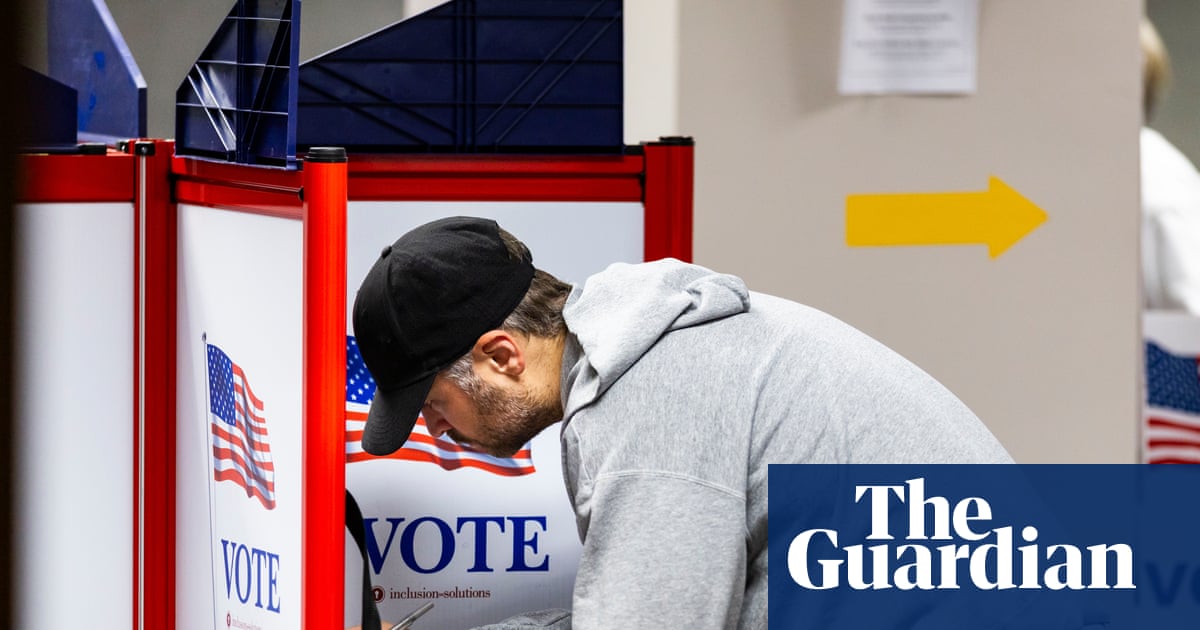
The United States is experiencing a historic surge in early voting ahead of the midterm elections, with more than 50.5 million ballots cast as of Saturday morning. This figure represents an increase of nearly five million votes compared to the total early turnout during the 2022 midterms, according to data analyzed by the University of Florida. The heightened activity underscores the high stakes of this election cycle, which will determine the balance of power in Congress for the final two years of President Donald Trump’s second term.
Voter enthusiasm appears particularly strong among Democrats, who are outpacing Republicans in early participation. In states that collect and report party affiliation data, approximately 10.7 million registered Democrats have already voted, compared to 7.8 million registered Republicans. While these figures do not directly indicate how individuals will vote on Election Day, they align with polling data showing widespread dissatisfaction with the current administration. Voters are expressing concern over rising costs for essentials such as food and gasoline, as well as issues related to government corruption and ongoing conflicts involving Iran.
The Republican Party is defending a narrow 53-47 majority in the Senate, facing an expanded map of battleground states that includes traditionally conservative territories. Democrats are targeting victories in states like Texas, Alaska, and Kansas, aiming to flip enough seats to seize control of the chamber. This strategic shift reflects a broader trend of unusually close races in areas that have historically been reliable Republican strongholds. The intensity of these contests has drawn significant financial investment, with hundreds of millions of dollars flowing into Senate campaigns across the country.
Texas stands out as a critical focal point for Democratic ambitions. Early voting in the state has already surpassed seven million ballots, exceeding the early turnout from the 2022 midterms by 1.5 million votes. In Harris County, which includes Houston and has consistently voted Democratic in recent years, more than 862,700 residents had cast ballots by Wednesday. This represents a substantial increase from the 564,500 voters recorded at the same point in the previous midterm cycle. The county’s political landscape remains competitive, with Democrats seeking to maintain their influence in statewide races.
Key Senate and gubernatorial races in Texas are drawing intense scrutiny. Republican Attorney General Ken Paxton is facing a challenge from Democrat James Talarico for a Senate seat, while Governor Greg Abbott is running for re-election against Gina Hinojosa. These contests are significant because Democrats have not won a statewide election in Texas in more than three decades. President Trump has made multiple trips to the state to support Republican candidates, highlighting the administration’s concern over potential losses in this crucial territory.
Similar trends of increased early voting are evident in other competitive states. South Carolina, which voted strongly for Trump in the 2024 presidential election, has seen an 83% increase in early voting compared to 2022. Kansas, another traditionally Republican state hosting a tight Senate race, reports a 34% rise in early participation. Maine and Michigan have also experienced notable increases, with early voting up 44% and 32%, respectively. These figures suggest that voters in both red and purple states are highly engaged in the upcoming elections.
President Trump has been actively campaigning to bolster struggling Republican candidates, holding rallies in previously safe states. His efforts have included comments on the physical appearance of some candidates and dismissals of concerns over rising gasoline prices, which he attributes to fossil fuel company profits rather than policy decisions. At a rally in Florida, Trump expressed fatigue from the relentless campaign schedule, noting that twenty-eight consecutive days of campaigning had been exhausting. This admission reflects the intense pressure facing the Republican Party as it seeks to maintain its congressional majorities.
The outcome of these midterms will have lasting implications for American politics and policy. With economic anxieties and geopolitical tensions shaping voter sentiment, the election results could redefine the legislative agenda for the remainder of Trump’s presidency. The surge in early voting indicates that Americans are closely watching these contests, recognizing their potential to shift the balance of power in Washington. As Election Day approaches, the focus remains on whether Democrats can capitalize on their enthusiasm to unseat Republican incumbents in key states.
Sources behind this briefing
Go to the original reporting
- The Guardian World↗More than 50m Americans cast ballots in early voting with three days to go before midterms