The short version
- Navi Pillay wins the 2026 Nobel Peace Prize for her contributions to international law and human rights.
- The award highlights her leadership of a UN commission that concluded Israel committed genocidal acts in Gaza.
- Israel's foreign ministry condemned the prize, calling it a legitimization of anti-Israel prejudice.
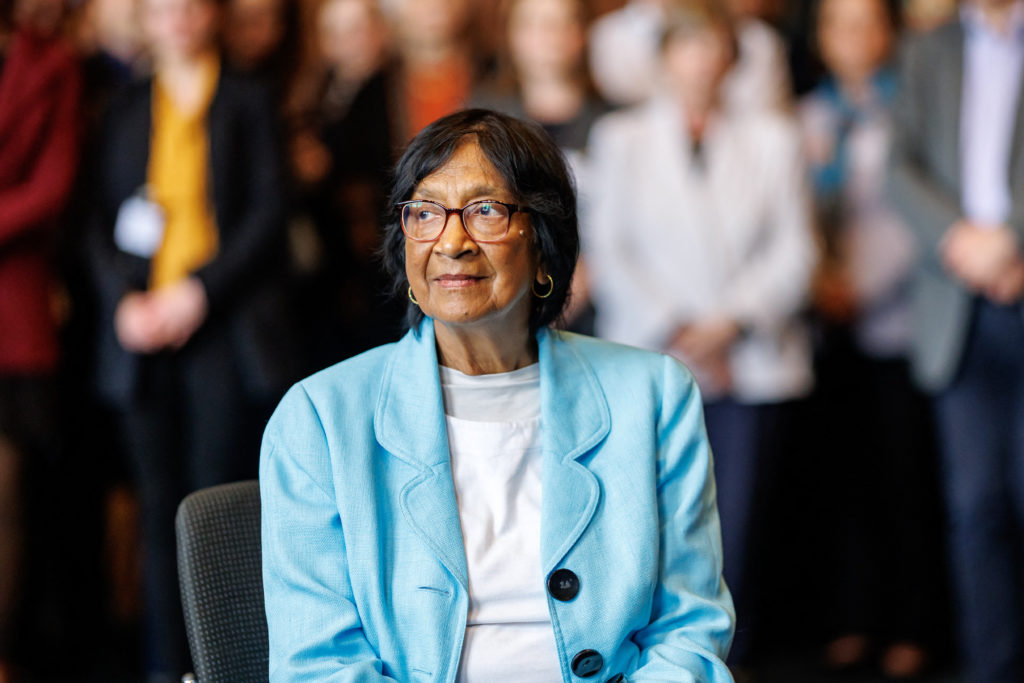
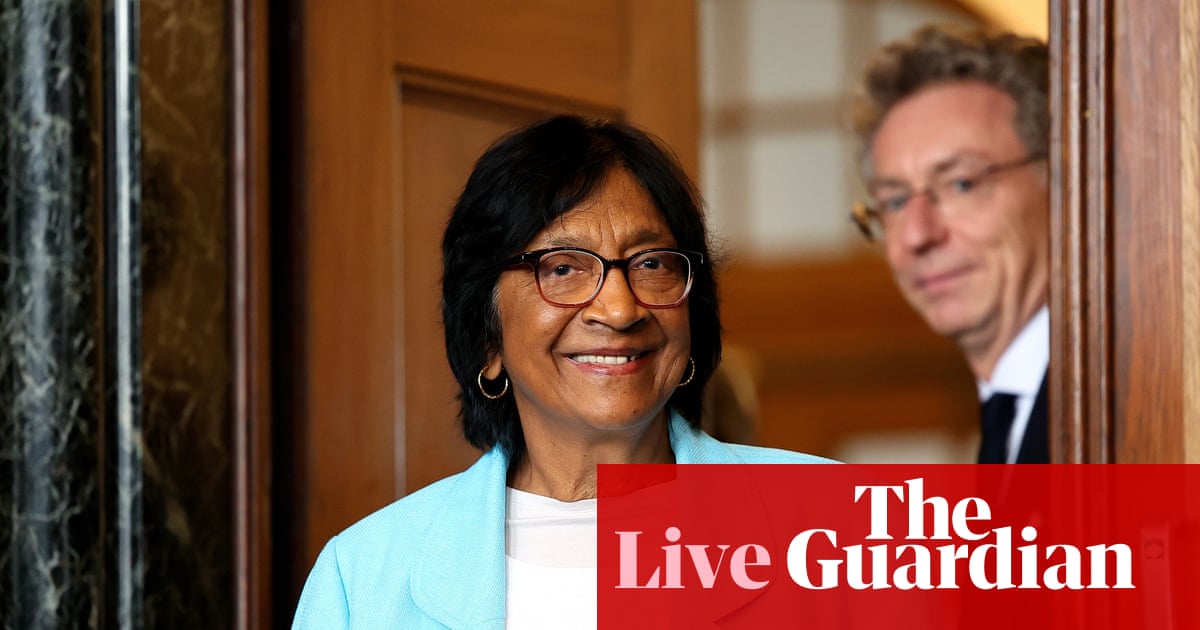
Navi Pillay, a South African jurist and former United Nations human rights chief, has been awarded the 2026 Nobel Peace Prize. The Norwegian Nobel Committee cited her lifelong commitment to universal legal principles and her role in strengthening international institutions designed to prevent war and violence. Pillay, who currently serves as a judge at the International Court of Justice (ICJ), was recognized for her steadfast moral compass and expertise, which the committee described as constants throughout a career that began with defending Nelson Mandela during South Africa’s apartheid era.
The award places significant emphasis on Pillay’s recent work chairing the UN independent international commission of inquiry on the occupied Palestinian territory. That commission issued a report last year concluding that the state of Israel was guilty of genocidal acts in Gaza, asserting that these actions were carried out with the specific intent to destroy Palestinians in the region. The report further alleged that Israeli Prime Minister Benjamin Netanyahu, President Isaac Herzog, and former Defense Minister Yoav Gallant had incited the commission of genocide.
Pillay herself stated upon the publication of those findings that there was clear intent to destroy Palestinians in Gaza through acts meeting the criteria of the Genocide Convention. The Nobel Committee’s statement noted that Pillay has demonstrated how legal measures can help prevent acts of war and violence, reinforcing the rule of law as a foundation for resolving conflicts non-violently. At 85 years old, she is regarded by the committee as one of the most respected international jurists of her time.
The announcement was met with immediate and fierce condemnation from Israel. The Israeli foreign ministry reacted furiously to the news, stating on social media platform X that if there were an award for lies and hatred, Pillay would be a frontrunner. The ministry argued that the prize does not recognize justice but rather serves as a grotesque weaponization of the award to legitimize anti-Israel hatred and prejudice. They characterized the commission’s report as scandalous and refused to cooperate with the inquiry, arguing it was biased.
Israel’s foreign ministry went further in its criticism, comparing the Nobel Committee’s decision to propaganda efforts by Joseph Goebbels, suggesting that such figures would applaud from hell. This strong reaction underscores the deep political divisions surrounding the interpretation of international law regarding the conflict in Gaza. The committee had noted that Israel rejected the report entirely, viewing it as an attack rather than a legitimate legal assessment.
Pillay was not present at the announcement ceremony in Oslo. She was attending a meeting of human rights lawyers and jurists in Nuremberg, Germany, a site historically significant for postwar war crimes trials of Nazi leaders. Upon hearing the news from colleagues, she responded with disbelief. The location of her receipt of the news adds a layer of historical resonance to the award, linking contemporary efforts in international justice with the foundational legal precedents established after World War II.
The Nobel Committee emphasized that the prize is intended to remind the world that both national and international rule of law underpin the global system for ensuring peace. By honoring Pillay, the committee highlighted the importance of independent expertise and steadfastness in upholding these principles. The decision reflects a broader recognition of the challenges facing international legal institutions in addressing severe human rights violations and conflicts.
While the award celebrates Pillay’s professional achievements, it also ignites renewed debate over the role of international bodies in mediating geopolitical conflicts. The stark contrast between the Nobel Committee’s praise for Pillay’s moral compass and Israel’s accusation of bias illustrates the complex intersection of law, politics, and public perception in global affairs. The reaction from both supporters and critics suggests that the implications of this award will extend far beyond the immediate recognition of one individual’s career.
As discussions continue regarding the enforcement of international law and the accountability of state actors, Pillay’s work remains a focal point for advocates of human rights. The controversy surrounding the prize highlights the difficulties in achieving consensus on issues of genocide and war crimes. The coming months may see increased scrutiny of UN commissions and international courts as they navigate similar high-stakes inquiries.
The award also draws attention to the broader context of global justice mechanisms. Pillay’s previous roles, including her tenure as UN High Commissioner for Human Rights and service on international criminal tribunals, provide a comprehensive backdrop for understanding the committee’s decision. Her career has been defined by efforts to hold power accountable through legal frameworks, a mission that continues to provoke both admiration and intense opposition.
Sources behind this briefing
Go to the original reporting
- The Guardian World↗ICJ judge Navi Pillay dedicates Nobel peace prize to ‘survivors of international crimes’ as Israel condemns award - live
- The Guardian US↗ICJ judge Navi Pillay wins Nobel peace prize for promoting international law
- NPR↗South African human rights lawyer Navi Pillay wins the Nobel Peace Prize
- CNBC↗South Africa lawyer 'Navi' Pillay wins Nobel Peace Prize for efforts to prosecute war crimes, genocide