The short version
- NASA has exercised options for two more Starliner missions and allocated $359 million for thruster repairs and Vulcan rocket certification.
- The decision ensures a backup crew transport system as SpaceX prepares to retire its Crew Dragon vehicle, likely by 2030.
- Boeing faces scrutiny over potential monopoly pricing for future commercial space station flights after the Atlas V rocket retires.
NASA announced on Monday that it will secure two additional crewed flights aboard Boeing’s Starliner spacecraft, a move designed to guarantee continuous American access to low-Earth orbit. The agency also committed $359 million to assist Boeing in resolving persistent technical issues with the vehicle’s reaction control system and to certify United Launch Alliance’s Vulcan rocket for human spaceflight. This financial injection comes as NASA prepares for the eventual retirement of SpaceX’s Crew Dragon capsule, which has served as the primary means of transporting astronauts to the International Space Station for over six years.
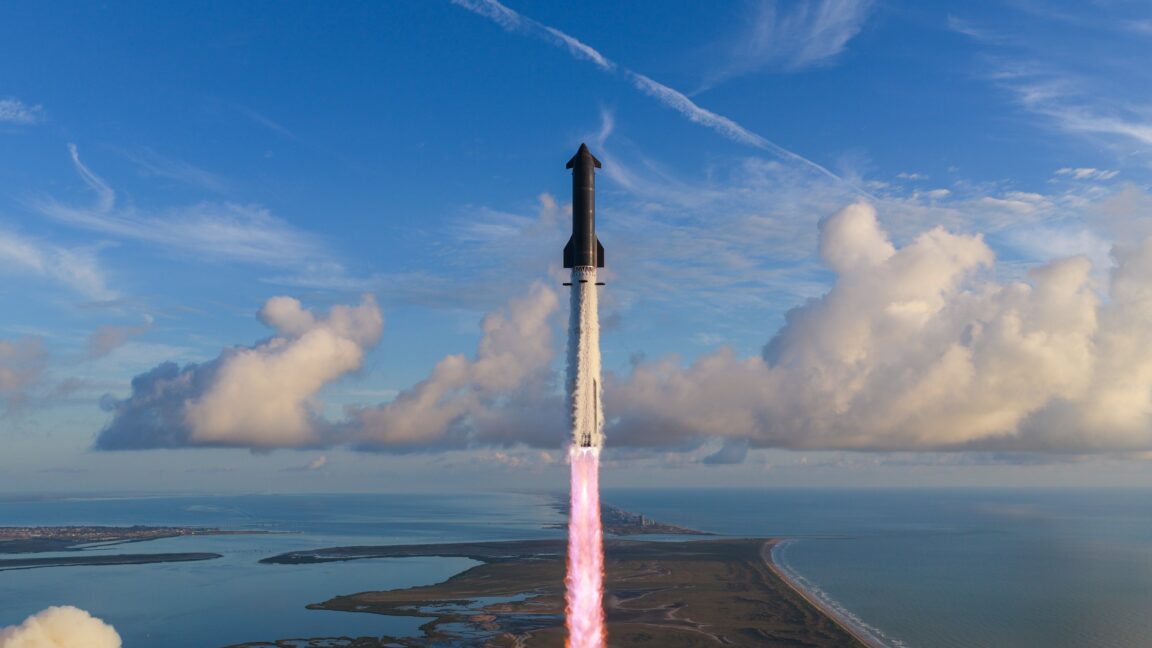
The decision underscores a strategic pivot in how the space agency manages its commercial partnerships. With SpaceX focusing resources on its next-generation Starship system, the older Falcon 9 and Dragon platforms are expected to be phased out by or before 2030. NASA Administrator Jared Isaacman noted during a press conference that while it is widely understood that SpaceX intends to sunset these legacy systems, the agency must maintain reliable transportation options for its astronauts. Boeing’s Starliner, despite a history of significant delays and technical failures, remains the only other certified crew vehicle available to support this transition.
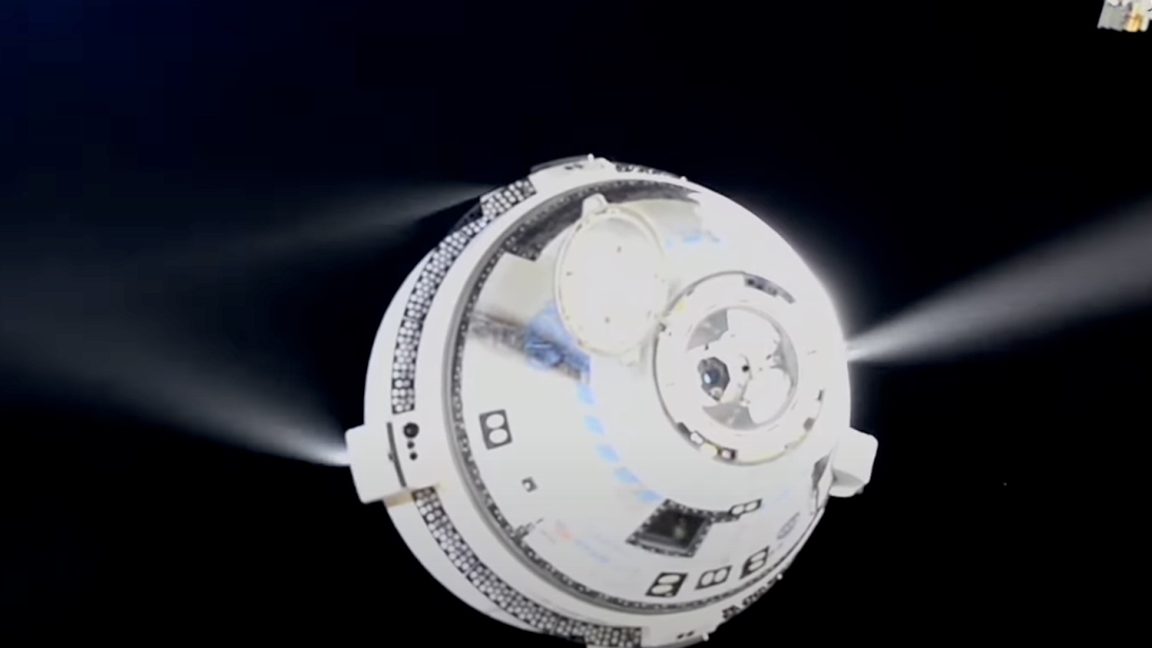
Boeing’s path to operational status has been fraught with challenges. The spacecraft encountered numerous problems during uncrewed test flights in 2019 and 2022. Most critically, thruster malfunctions during the first crewed test flight in June 2024 nearly resulted in a catastrophic loss of life for two astronauts aboard. These issues have cost Boeing more than $2 billion in losses, raising questions about whether the company would abandon the program entirely. NASA’s previous investment of $5.1 billion under the Commercial Crew program had already placed substantial resources into the project, making a complete withdrawal financially and strategically difficult for both parties.
The newly announced funding will specifically target the overhaul of the overheating thrusters that plagued the recent test flight. Dana Weigel, manager of NASA’s Low Earth Orbit Program, explained that this support is essential to certify the vehicle for routine operations. Additionally, the funds will help validate the Vulcan rocket, which is intended to replace the Atlas V launcher once the latter retires. Without a certified launch vehicle, Starliner cannot fulfill its role in NASA’s long-term orbital strategy, regardless of the spacecraft’s own readiness.
NASA has now contracted for a total of six missions on Starliner. The first upcoming flight, designated Starliner-1, is an uncrewed demonstration mission scheduled for late 2026 or early 2027. Following this, three crewed missions are already on the books, with the first, Starliner-2, targeted for mid-2028 under the command of veteran astronaut Woody Hoburg. The two new options exercised by NASA will bring the total number of planned flights to six, providing a buffer as the agency transitions away from reliance on SpaceX.
This arrangement creates a complex landscape for the future of commercial spaceflight. As the International Space Station’s operational life is considered for extension until 2032 and private commercial LEO destinations begin to emerge, NASA needs assured transport for its personnel. Critics have argued that NASA should have initiated a second crew competition involving other contenders like Blue Origin or The Exploration Company to foster competition. However, Isaacman indicated that such an approach would require billions in new investment and delay access to orbit. Given the heavy prior investment in Boeing and the proximity of Starliner to operational status, officials deemed it imprudent to discard the existing asset.
Boeing executives have expressed enthusiasm about the prospect of becoming the sole provider of astronaut transportation for the United States. John Mulholland, vice president and program manager of Commercial Crew at Boeing, stated that the company is eager to continue flights to the International Space Station and potentially serve as the preferred transport for future commercial space stations. However, this monopoly status raises concerns about pricing power. While NASA has agreed to a price of approximately $90 million per seat for missions through Starliner-6, Boeing has not committed to specific rates for the 2030s.
Mulholland explained that detailed pricing for future commercial clients cannot be finalized until the Vulcan rocket and the spacecraft itself are fully certified. He noted that the company aims to remain competitive but declined to provide specific figures to potential customers at this stage. This uncertainty leaves both NASA and private space station operators in a waiting game, dependent on Boeing’s ability to execute its engineering fixes and secure regulatory approval. The success of this strategy hinges entirely on whether Starliner can achieve the reliability required for routine human spaceflight after years of setbacks.
Sources behind this briefing
Go to the original reporting
- Ars Technica↗Boeing "incredibly excited" to serve as nation's only astronaut transportation