The short version
- NASA pilots flew a WB-57F aircraft at 50,000 feet during the August 12 eclipse to capture clear images of the solar corona.
- The high altitude allowed instruments to bypass clouds and atmospheric water vapor that typically block infrared wavelengths essential for studying solar plasma.
- Data collected aims to resolve why the Sun's outer atmosphere is significantly hotter than its visible surface, improving space weather models.
A total solar eclipse on August 12 provided a rare window for scientists to investigate one of astrophysics' enduring puzzles: the extreme temperature of the Sun’s corona. To capture high-quality data during this brief event, NASA deployed a specialized research aircraft from its Johnson Space Center. The mission involved flying through the Moon’s shadow over Europe and the North Atlantic, allowing researchers to observe the Sun’s outer atmosphere with minimal atmospheric interference.
The primary objective was to understand why the corona, the Sun's tenuous outer layer, reaches temperatures millions of degrees higher than the visible surface below it. This phenomenon remains a significant mystery in solar physics. Observations gathered during totality offer unique insights into how energy and material move through this plasma environment. Understanding these dynamics is crucial for improving models of space weather, which can affect satellite operations and power grids on Earth.
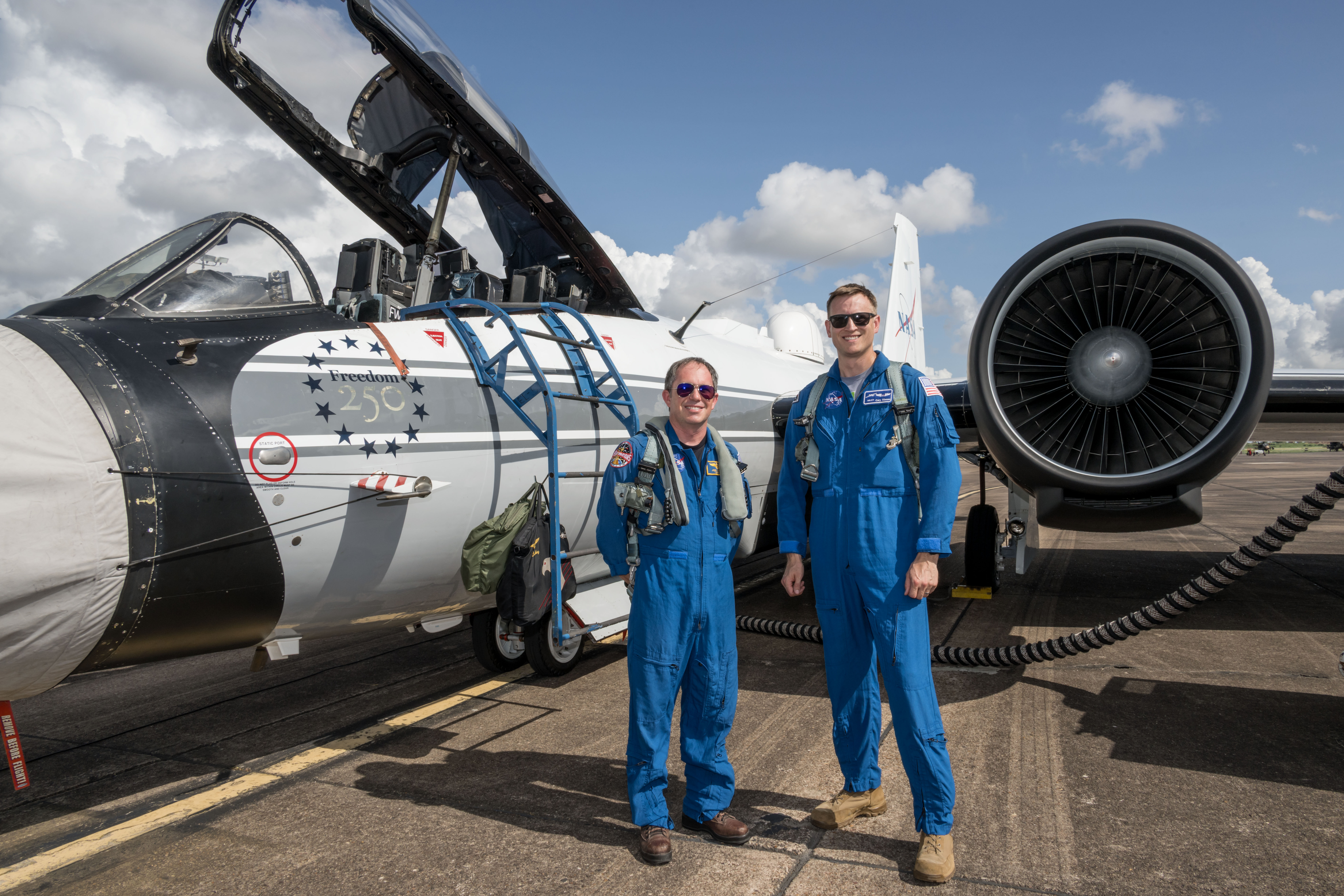
The aircraft used for the mission was a WB-57F, a high-altitude platform capable of cruising at approximately 50,000 feet. This altitude is strategic because it places the plane above most clouds, dust, and water vapor that obscure ground-based observations. By flying higher than these atmospheric obstacles, the research team could access infrared wavelengths that are largely absorbed by Earth’s lower atmosphere. These specific wavelengths are vital for analyzing the magnetic fields and plasma structures within the corona.
Preparation for the flight required extensive coordination between scientific teams and aviation crews. Months before the eclipse, scientists defined the precise observational requirements needed to answer their research questions. Maintenance teams then serviced and loaded specialized instruments onto the aircraft, ensuring everything was flight-tested and ready for deployment. The complexity of the operation highlighted the collaborative nature of modern space science, relying on both technical expertise and logistical precision.
During the eclipse itself, timing was critical. Pilots had to position the aircraft exactly along the path of totality as the Moon’s shadow moved across the North Atlantic. John Gustine, a NASA pilot involved in the mission, maneuvered the plane to maximize the time spent within the shadow. This extended window allowed for more comprehensive data collection than would have been possible with a shorter exposure. Every second of totality was utilized to capture images that could reveal new details about solar activity.
Inside the aircraft, sensor equipment operator Cary Klemm managed the camera systems from the back seat. His role involved adjusting focus and exposure times in real-time while tracking specific features of interest within the corona. The rapid changes in lighting conditions during an eclipse require precise control over imaging parameters. Each photograph taken represents a potential clue to understanding the physical processes that heat the solar atmosphere, making the quality of each image paramount.
The path of this particular eclipse crossed largely over oceanic regions where cloud cover is common and unpredictable. Ground-based observatories in these areas often face significant challenges in obtaining clear views of the Sun. The ability of the WB-57F to fly above weather systems provided a distinct advantage. Amir Caspi, the principal investigator from Southwest Research Institute, emphasized that the high-altitude platform was essential for accessing the necessary wavelengths during an eclipse with such difficult viewing conditions.
The data collected during this mission will contribute to a broader understanding of solar physics and its impact on the space environment surrounding Earth. The corona is composed of plasma shaped by magnetic fields, processes that are not unique to our Sun but occur throughout the universe. Insights gained from these observations can help scientists refine their models of stellar behavior. The success of this operation underscores the value of specialized aviation platforms in advancing astronomical research.
This mission demonstrates how targeted aerial campaigns can complement space-based and ground-based observations. By combining high-altitude flight with precise timing, researchers were able to overcome environmental limitations that often hinder solar studies. The findings from this eclipse will be analyzed in the coming months, potentially offering new perspectives on the mechanisms driving solar heating. As technology advances, such integrated approaches may become increasingly common in addressing complex scientific questions.
The collaboration between pilots, engineers, and scientists exemplifies the multidisciplinary effort required for modern space exploration. From initial planning to final data capture, each component of the team played a vital role in achieving the mission's goals. The successful execution of this flight provides a template for future observational campaigns during similar celestial events. As interest in solar science grows, these methods will likely continue to evolve, offering even deeper insights into our star.
Sources behind this briefing
Go to the original reporting
- NASA↗NASA Johnson Pilots Chase Moon’s Shadow for Eclipse Science

