The short version
- A new 34-meter radio antenna at the Goldstone facility has begun operations, enhancing NASA's ability to track deep space missions.
- The upgrade is part of a broader project to replace aging equipment with multifrequency beam-waveguide technology that improves reliability and maintenance access.
- Full modernization will continue until 2029 when a final antenna comes online in Australia, completing the network's transition to next-generation hardware.
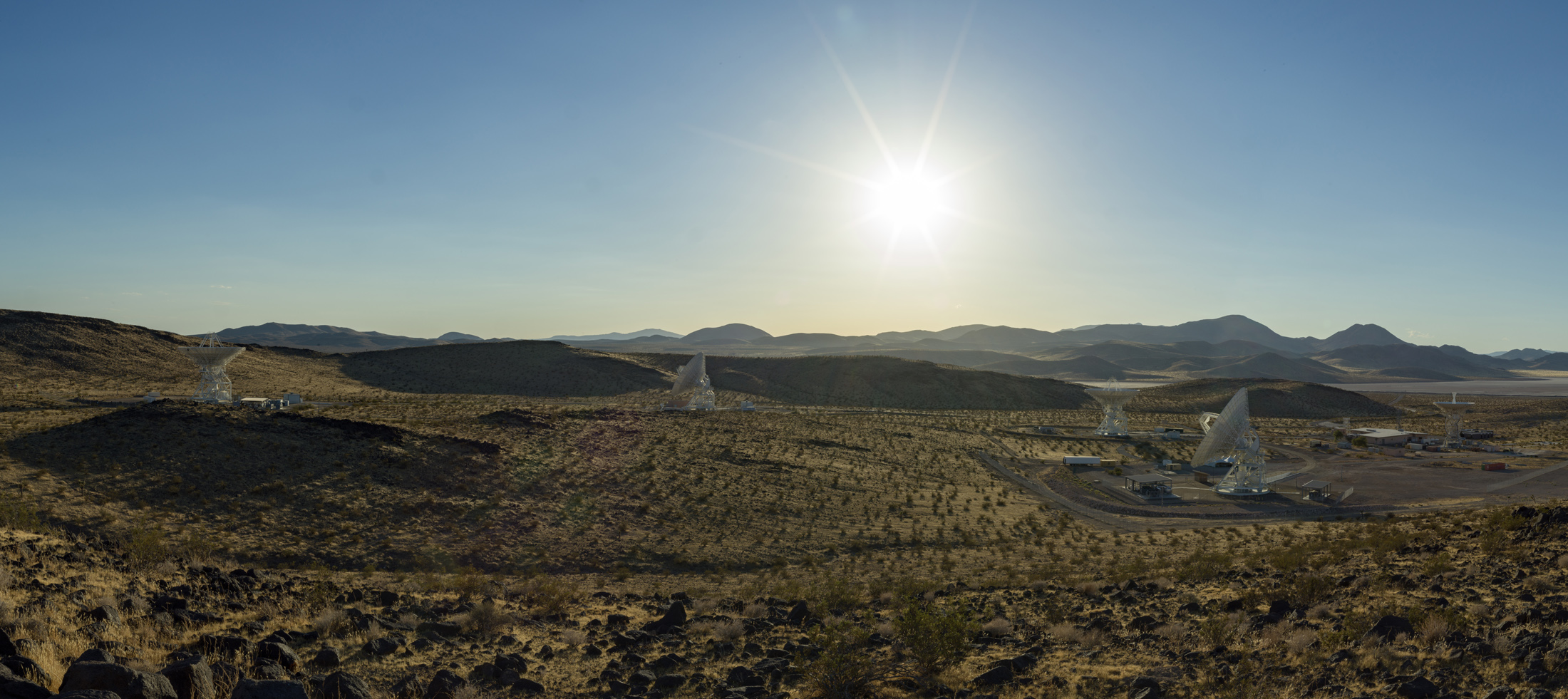
NASA has officially integrated a new high-capacity radio frequency antenna into its Deep Space Network, marking a pivotal advancement in the agency’s long-term communications infrastructure. The facility, located at the Goldstone Deep Space Communications Complex near Barstow, California, now hosts Deep Space Station 23, a 34-meter-wide dish designed to support robotic spacecraft exploring the solar system and beyond. This addition strengthens the global network of giant antennas that serve as the primary link between Earth and more than forty active missions, including those venturing into interstellar space.
The new antenna began operational duties on August 3, following a rigorous testing campaign conducted from May through July. Since its activation, DSS-23 has successfully tracked several high-profile missions, including the Chandra X-ray Observatory, Mars Reconnaissance Orbiter, and Voyager 1. It also supports ongoing exploration efforts such as the Psyche asteroid mission and Juno’s orbit of Jupiter. By expanding the network’s capacity, NASA aims to ensure reliable data transmission for ambitious future endeavors, particularly those involving sustained human presence on the Moon and deeper robotic probes into the outer planets.
This installation represents the fifth enhancement under the Deep Space Network Aperture Enhancement Project, which launched in 2009 with the goal of upgrading and expanding the agency’s communication capabilities. The project involves adding six new multifrequency beam-waveguide antennas across three global sites: Goldstone in California, Madrid in Spain, and Canberra in Australia. These versatile dishes are engineered to operate across multiple radio frequencies, allowing them to support a diverse range of missions simultaneously. The design prioritizes flexibility, ensuring that the network can adapt to evolving technological demands without requiring extensive hardware replacements.
A key innovation of these next-generation antennas is their use of beam-waveguide technology, which directs signals down to stable, climate-controlled underground rooms rather than housing sensitive electronics on the moving dish itself. This architectural shift significantly reduces maintenance challenges and extends the lifespan of critical components. Unlike older systems where heavy equipment was mounted directly on the rotating structure, this new approach allows engineers easier access for repairs and upgrades. The result is a more resilient system capable of sustaining continuous operations despite the harsh environmental conditions typical of remote desert locations.
Construction of DSS-23 commenced in February 2020, with major structural milestones achieved over subsequent years. In December 2024, engineers positioned the 133-ton metal reflector framework atop the antenna’s pedestal, followed by the installation of panels designed to capture and transmit radio frequency signals. The final phase involved meticulous calibration to ensure seamless integration with existing network assets. According to project managers, the most significant challenge was not physical construction but rather unifying complex mechanical, electrical, software, and infrastructure subsystems into a single, mission-ready unit. Every component had to be verified for extraordinary precision before the antenna could begin supporting live missions.
The broader modernization effort aims to address growing concerns about the aging 70-meter antennas that have served as the backbone of the Deep Space Network for over fifty years. These massive dishes are becoming increasingly expensive to maintain and repair due to their age and mechanical complexity. By deploying additional 34-meter antennas, NASA can array multiple smaller dishes together to provide equivalent communication backup for each facility’s single large antenna. This strategy enhances redundancy while reducing reliance on obsolete technology. Once the sixth and final enhancement-project antenna, Deep Space Station 33, comes online at the Canberra facility in 2029, the network will boast a total of thirteen 34-meter antennas distributed globally.
Managed by NASA’s Jet Propulsion Laboratory under contract with Caltech, the Deep Space Network plays a crucial role in supporting both current and future exploration goals. Beyond deep space missions, the network facilitates communications for astronauts aboard the International Space Station and will be instrumental in upcoming Artemis lunar missions. It also aids Earth-monitoring satellites and other scientific instruments relying on precise navigation data. With oversight from NASA’s Space Communications and Navigation Program, the agency continues to invest in robust infrastructure capable of handling the increased bandwidth and reliability requirements of modern space exploration.
Leadership within NASA has emphasized that these upgrades are essential for maintaining American leadership in deep space communications. Officials note that the expanded network will enable bolder missions that push beyond previous technological limits. As the agency prepares for an era defined by sustained lunar presence and interplanetary travel, ensuring a reliable communication foundation remains a top priority. The successful deployment of DSS-23 demonstrates progress toward this objective, setting the stage for further enhancements in the coming years. With each new antenna added, the Deep Space Network moves closer to full modernization, securing its role as a vital tool for scientific discovery and exploration.
Sources behind this briefing
Go to the original reporting
- NASA↗New Next-Gen Dish Adds Muscle to NASA’s Deep Space Network

