The short version
- Simulations show that substituting just 35 percent of dairy with plant-based options could raise iodine deficiency rates in teenage girls from 54 percent to 65 percent.
- Researchers found that mandatory fortification of plant-based milks and staple foods like bread could significantly mitigate these predicted nutrient gaps.
- Experts note the study highlights a tension between environmental sustainability goals and public health needs, suggesting policy updates are required to ensure nutritional adequacy.
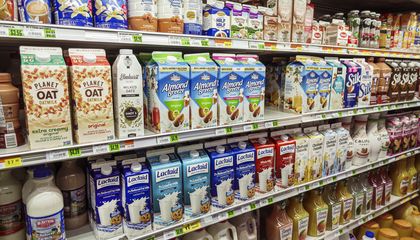
A recent analysis published in Lancet Planetary Health suggests that shifting away from conventional dairy products, even partially, may create significant public health challenges regarding micronutrient intake. Researchers utilized computer simulations based on data from the United Kingdom’s National Diet and Nutrition Survey to model the effects of swapping standard milk, yogurt, and cheese for commercially available plant-based versions. The study focused on four specific nutrients: iodine, calcium, riboflavin, and vitamin B12.
The findings indicate that even modest reductions in dairy consumption can lead to declines in the intake of all analyzed micronutrients. Iodine levels appeared to suffer the most significant drop. This mineral is critical for thyroid hormone production and brain development, making it particularly important for infants, adolescents, and pregnant individuals. The simulation data revealed that 54 percent of girls aged 14 to 18 were already not consuming sufficient iodine at baseline.
When researchers modeled a scenario where 35 percent of dairy was replaced with plant-based alternatives, the rate of iodine deficiency in teenage girls rose to 65 percent. Similarly, among women aged 19 to 49, who had a baseline deficiency rate of 32 percent, the figure increased to 42 percent under the same conditions. If dairy intake were completely eliminated from the diet, the simulations projected that 80 percent of teenage girls and 72 percent of teenage boys would become iodine deficient.
These trends are occurring against a backdrop of changing consumer habits beyond just dairy substitution. Many individuals have begun replacing standard table salt with alternatives such as Himalayan, sea, or kosher salts. Because table salt is frequently fortified with iodine, this shift contributes to the broader rise in deficiency rates observed in recent years. The combination of reduced dairy consumption and unfortified salt usage creates a compounding risk for nutrient inadequacy.
Ian Givens, director of the University of Reading’s Institute for Food, Nutrition and Health, noted that the study’s strength lies in its examination of partial replacement rather than a complete dietary overhaul. This approach better reflects how most people actually modify their eating habits. He also emphasized that breaking down results by age and sex clearly identifies which demographic groups face the highest risks. However, Givens cautioned that because the findings are based on modeled reductions, they indicate a risk of inadequacy rather than confirming clinical deficiency.
To address these potential gaps, the research team investigated whether fortifying plant-based dairy products and staple foods like bread could prevent micronutrient deficiencies. The simulations suggested this strategy would be effective. Adding iodine to both vegan milks and bread caused projected deficiency rates among teenage girls to drop to 37 percent when 20 percent of dairy was replaced. Even in a scenario involving a complete swap from dairy, fortification reduced the projected deficiency rate for adolescent girls to 43 percent.
Katie Nicol, a co-author of the study and a human nutrition researcher at the University of Surrey, argued that nutrition policy must evolve alongside environmental targets. She emphasized that shifts toward more sustainable diets should not compromise public health outcomes. While fortification offers a viable solution, she noted that government intervention is necessary to implement these changes systematically across the food supply chain.
Some industry players are already moving in this direction. Nichola Ludlam-Raine, a registered dietitian and spokesperson for the British Dietetic Association, recommended that consumers check labels for fortified options, noting that organic plant-based drinks often lack added nutrients. For instance, certain major oat milk brands include iodine, calcium, riboflavin, and vitamin B12 in their unflavored, non-organic products. As plant-based alternatives continue to gain popularity for health and sustainability reasons, ensuring these products meet nutritional standards remains a critical challenge for policymakers and manufacturers alike.
The study underscores the need for a balanced approach to dietary transitions. While plant-based milks offer environmental benefits compared to regular milk production, their nutritional profile often falls short without intervention. The research suggests that without mandatory fortification requirements, the growing popularity of vegan alternatives could exacerbate existing nutrient deficiencies, particularly among vulnerable populations such as adolescents and women of childbearing age.
Sources behind this briefing
Go to the original reporting
- Smithsonian Magazine↗Even Replacing Some of Your Dietary Dairy With Plant-Based Alternatives Can Lead to Nutrient Deficiencies, Study Suggests