The short version
- Scott Colom defeats Republican incumbent Cindy Hyde-Smith in Mississippi, becoming the first Black senator from the state since Reconstruction.
- The result helps Democrats secure at least 55 Senate seats, marking their largest midterm gain since 1986 and reflecting broader voter dissatisfaction with the Trump administration.
- Political tensions remain high as impeachment efforts against Defense Secretary Pete Hegseth fail due to Democratic absences, while controversies surround Nvidia CEO Jensen Huang.
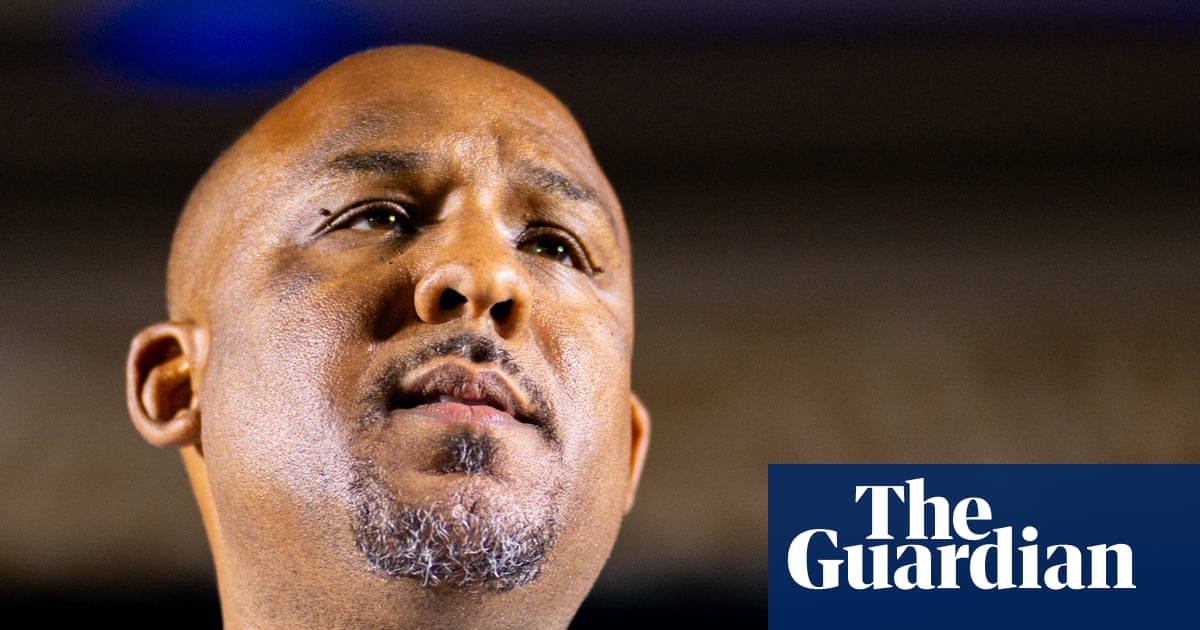
In a dramatic reversal of long-standing political trends in the American South, Scott Colom has defeated incumbent Republican Senator Cindy Hyde-Smith in Mississippi. The victory, confirmed after more than a week of vote counting in one of the nation’s most reliably conservative states, marks a historic milestone. At 43 years old and currently serving as a district attorney, Colom becomes the first Black senator elected from Mississippi since the Reconstruction era. His win underscores a significant shift in voter sentiment that has rippled across multiple districts during this election cycle.
Colom’s success is not an isolated incident but part of a broader national movement driven by widespread frustration with the Trump administration. This wave of discontent has enabled Democrats to unseat Republicans in regions where they had been largely noncompetitive for decades. With Colom’s addition to the chamber, Democrats now hold at least 55 seats in the Senate. This represents the party’s most substantial midterm gain since 1986, fundamentally altering the balance of power in Washington and setting the stage for intense legislative battles in the coming months.
Following his victory, Colom addressed supporters with a message centered on personal responsibility and empathy. He acknowledged that his long-shot campaign faced moments where defeat seemed inevitable, but he emphasized the importance of maintaining faith throughout the process. In his remarks, he pledged to treat constituents’ families and futures with the same care he would afford his own, framing his legislative approach around these core values. His tone reflected a desire to bridge divides in a state that has historically voted overwhelmingly Republican.
The political atmosphere surrounding this election has been charged with conflict beyond the ballot box. Tensions flared when the White House threatened criminal investigations against Democrats planning to scrutinize the administration’s actions. Robert Garcia, the ranking member of the House Oversight Committee, criticized this move, suggesting it indicated an attempt to conceal information. He reaffirmed that congressional authority derives from Article I of the Constitution, not from executive permission, highlighting the growing friction between the legislative and executive branches.
Internal divisions within the Democratic Party also came to light during a failed impeachment effort against Defense Secretary Pete Hegseth. Eleven Democrats missed a crucial procedural vote, allowing Republicans to defeat the measure by a narrow margin of seven votes. This absence drew sharp criticism from newly elected officials, including Abdul El-Sayed of Michigan and Richard Ojeda of North Carolina, who condemned their colleagues for failing to show up for what they viewed as a critical opportunity to hold the administration accountable. The incident raises questions about party discipline and strategic priorities.
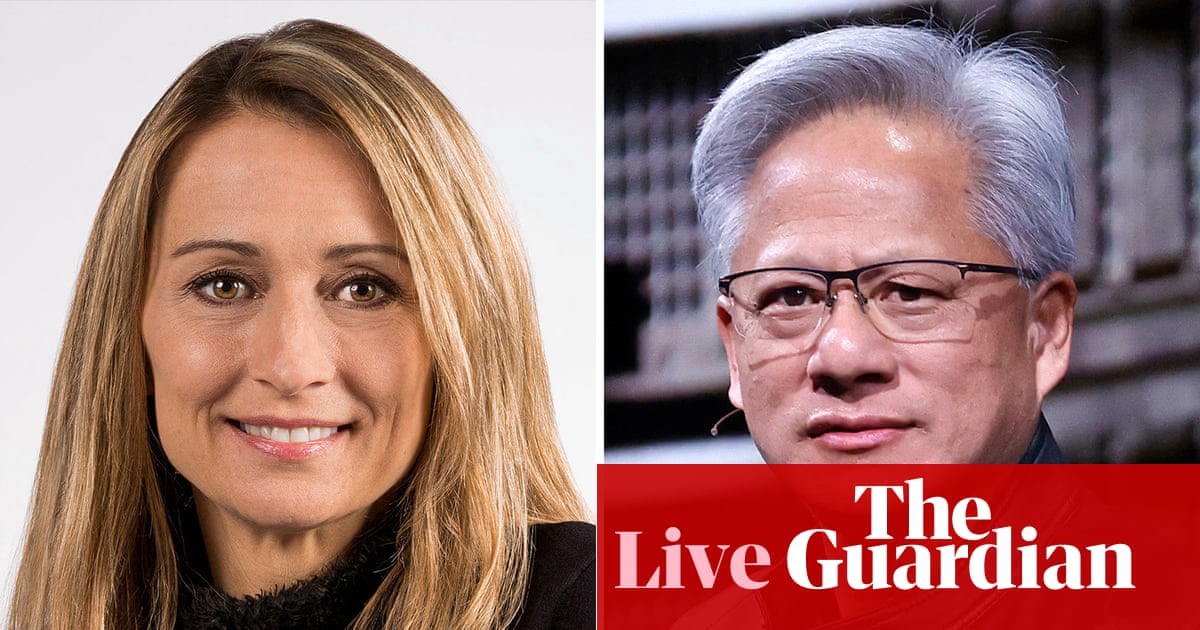
Meanwhile, controversies have emerged in the technology sector, adding another layer of complexity to the current political landscape. Nvidia’s board of directors convened to discuss the potential removal of Jensen Huang as CEO following reports of his involvement in a romantic relationship with a woman alleged to be a Chinese spy. Additional reports indicated a separate extramarital affair with a company employee, further complicating his position at the world’s most valuable chip manufacturer. These developments have sparked debates about corporate governance and national security implications.
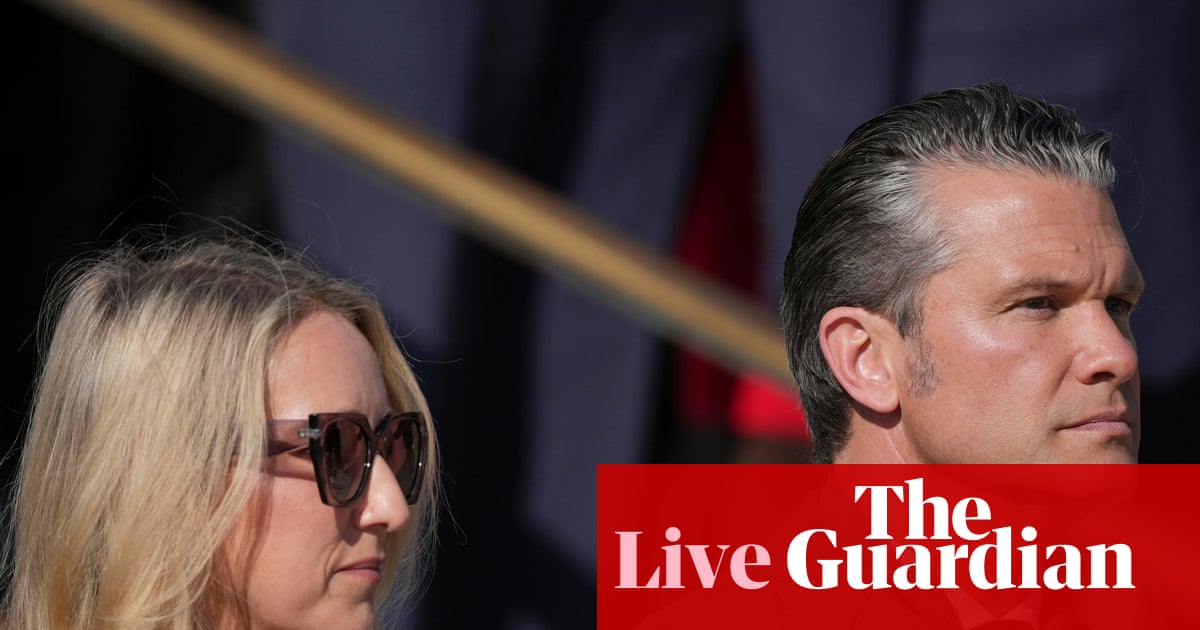
Public outrage has also been fueled by incidents involving high-ranking officials. A video clip went viral showing U.S. Army personnel reprimanding Defense Secretary Hegseth and his staff for laughing and talking near the Tomb of the Unknown Soldier after a Veterans Day ceremony. The incident drew widespread condemnation and contributed to the momentum behind the impeachment effort, although it ultimately fell short due to the aforementioned Democratic absences. Such events highlight the heightened sensitivity surrounding respect for military traditions and the scrutiny faced by government leaders.
Beyond politics, other significant developments have captured public attention. A building collapse in Brooklyn’s Flatbush section resulted in at least eight deaths, with firefighters working through rubble to rescue trapped individuals. In international news, Russia’s ambassador to the United States, Alexander Darchiev, died at age 66. Additionally, concerns are growing regarding public health, as the U.S. risks losing its measles elimination status under the leadership of RFK Jr., amid the worst outbreak since 1991. These diverse issues reflect the multifaceted challenges facing the nation as it navigates this pivotal political moment.
Looking ahead, the implications of these election results and ongoing controversies will shape policy debates for years to come. Democrats now have a stronger mandate to pursue their legislative agenda, but they must also address internal cohesion and external pressures from an administration resistant to oversight. The historic nature of Colom’s victory serves as a symbol of changing demographics and shifting allegiances in the South, while the failures and controversies surrounding key figures underscore the volatile nature of contemporary American politics. Voters and policymakers alike will be watching closely to see how these dynamics evolve.
Sources behind this briefing
Go to the original reporting
- The Guardian World↗First Thing: Mississippi turns blue as Scott Colom unseats Republican Senate incumbent