The short version
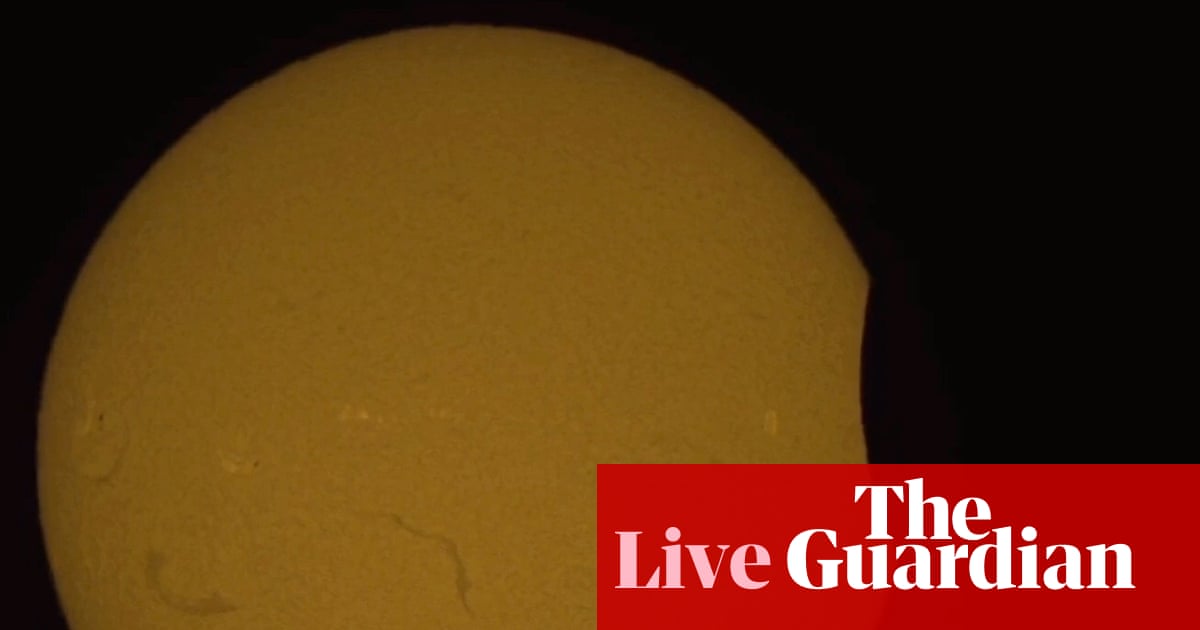
- The total solar eclipse of August 12, 2026, drew massive crowds to viewing locations in Spain, the UK, and Iceland.
- Enthusiasts traveled significant distances, with some making last-minute arrangements to secure spots along the path of totality or partial visibility.
- While weather conditions varied, reports indicate largely successful viewing experiences for those who braved potential obstructions.
On August 12, 2026, millions of people across Europe converged on specific geographic coordinates to witness a total solar eclipse, an astronomical event that occurs when the moon passes directly between Earth and the sun. The phenomenon drew spectators from diverse backgrounds, ranging from seasoned astronomers to casual enthusiasts, all united by the desire to observe the celestial mechanics in real time. Major viewing hubs included Spain, the United Kingdom, and Iceland, where the path of totality or significant partial coverage was visible.
The logistical effort required to witness the eclipse was substantial for many attendees. In Mallorca, Spain, viewers like Nicki described making spontaneous decisions to travel specifically for the event. She reported spending savings on a 24-hour trip, adjusting hotel and site arrangements at the last minute to secure a position on a rocky outcrop at Playa de Palma. Despite concerns that distant mountains might slightly impede the view of the sun, she noted that the experience was deemed worth the financial and logistical investment, highlighting the high demand for accessible viewing locations.
Similar scenes unfolded in L’ampolla, Spain, where Teresa traveled with her husband, daughter, and dog to a designated town viewing spot. She described being surrounded by hundreds of other people, all anticipating the astronomical display. The concentration of viewers in these specific towns underscores the importance of local infrastructure and community organization in facilitating safe and effective public viewing of such events.
In the United Kingdom and Iceland, visibility conditions played a critical role in the experience. While some areas faced cloud cover or atmospheric interference, many reports indicated clear skies that allowed for unobstructed views of the eclipse. The timing of the event, occurring during daylight hours, required viewers to use specialized protective equipment or indirect viewing methods to safely observe the sun without damaging their eyesight.
The scientific significance of the August 12 eclipse lies in its rarity and the precise alignment of celestial bodies. Total solar eclipses are infrequent events for any given location, making this occurrence a notable moment for both public engagement with science and professional astronomical observation. Researchers utilized the event to study solar phenomena that are typically obscured by the sun's brightness.
Public interest in the eclipse was evident well before the event, with high traffic on informational platforms and social media discussions focusing on viewing times and locations. This pre-event engagement helped many viewers prepare adequately, ensuring they had the necessary tools and knowledge to observe the eclipse safely. The widespread attention also highlighted the growing accessibility of astronomical events through digital resources.
Despite the overall success of the event, some challenges remained. Weather unpredictability posed a risk for viewers in certain regions, particularly in northern parts of the UK and Iceland, where cloud cover could obscure the view. Additionally, the concentration of people in popular viewing spots raised concerns about crowd management and safety, though no major incidents were reported in the available sources.
The eclipse also served as a reminder of the transient nature of such astronomical events. For many viewers, the experience was a once-in-a-lifetime opportunity, emphasizing the importance of seizing the moment when celestial alignments allow for direct observation. The event concluded with widespread satisfaction among attendees, who reported memorable experiences despite minor logistical hurdles.
Looking ahead, the August 12, 2026 eclipse will likely be studied for its impact on public interest in astronomy and science education. The high level of engagement suggests that future astronomical events may continue to draw significant public attention, provided that accurate information and safe viewing practices are widely disseminated. The event also highlighted the role of media and community organizations in facilitating public access to scientific phenomena.
In summary, the total solar eclipse of August 12, 2026, was a major astronomical event that captivated millions across Europe. From last-minute travelers in Spain to organized viewing groups in the UK and Iceland, the eclipse demonstrated the enduring fascination with celestial mechanics and the importance of preparation and safety in observing such rare occurrences.
Sources behind this briefing
Go to the original reporting
- The Guardian US↗Europe solar eclipse live: millions flock to viewing spots in Spain, UK and Iceland
- New Scientist↗How to watch today’s spectacular solar eclipse
- CBS News↗2026's only total solar eclipse happens today. Here's the path and times of visibility.

