The short version
- Leslie Roberts was sentenced to three years and ten months for conspiring to commit wire fraud through the sale of forged Andy Warhol artworks.
- The court ordered Roberts to repay $2.6 million, marking a significant enforcement action against art market deception by federal authorities.
- This case follows recent convictions of other individuals involved in large-scale counterfeiting operations involving high-profile artists like Banksy and Picasso.
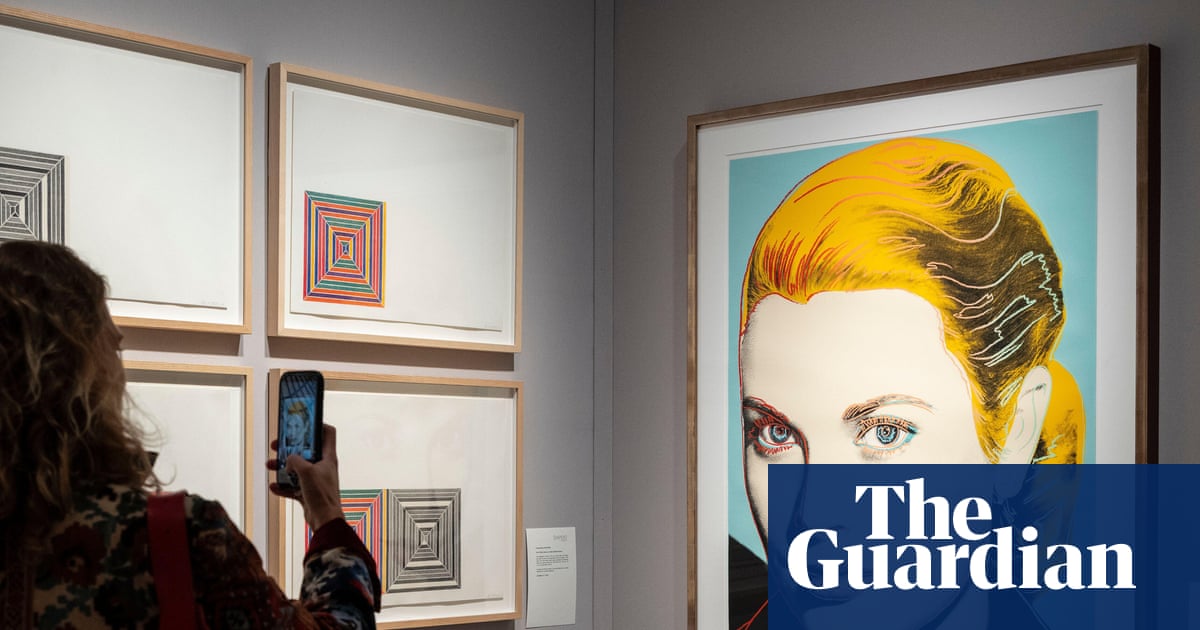
A Miami-based art dealer has been sentenced to nearly four years in federal prison for orchestrating a scheme that involved selling forged artworks attributed to Andy Warhol. Leslie Roberts, 62, pleaded guilty in June to conspiring to commit wire fraud after admitting he created fraudulent invoices and authentication documents to deceive buyers. US District Judge Roy Altman handed down the sentence on October 2, ordering Roberts to serve three years and ten months behind bars.
The prosecution highlighted that Roberts exploited the trust collectors place in dealers regarding the authenticity of high-value pieces. According to the US Justice Department, Roberts claimed to have acquired the artworks from the Andy Warhol Foundation for the Visual Arts. To support these false claims, he produced counterfeit stamps and invoices that appeared to originate from the foundation, thereby lending a veneer of legitimacy to the fraudulent transactions.
In addition to the prison term, Judge Altman ordered Roberts to repay $2.6 million in restitution. This financial penalty reflects the total amount stolen through the scheme, which centered on artwork falsely attributed to the leader of the pop art movement. The Justice Department emphasized that the sentence serves as a deterrent against similar crimes, noting that fraud undermines confidence in the legitimate art market regardless of whether it occurs in traditional financial sectors or cultural institutions.
Roberts did not act alone in this operation. He enlisted Carlos Rodriguez Melendez to pose as an employee of a New York-based auction company. Melendez’s role was to falsely authenticate the work, providing the necessary verification that buyers relied upon when making their purchases. Melendez also pleaded guilty to conspiracy to commit wire fraud, acknowledging his participation in the deceptive practices that facilitated the sales.
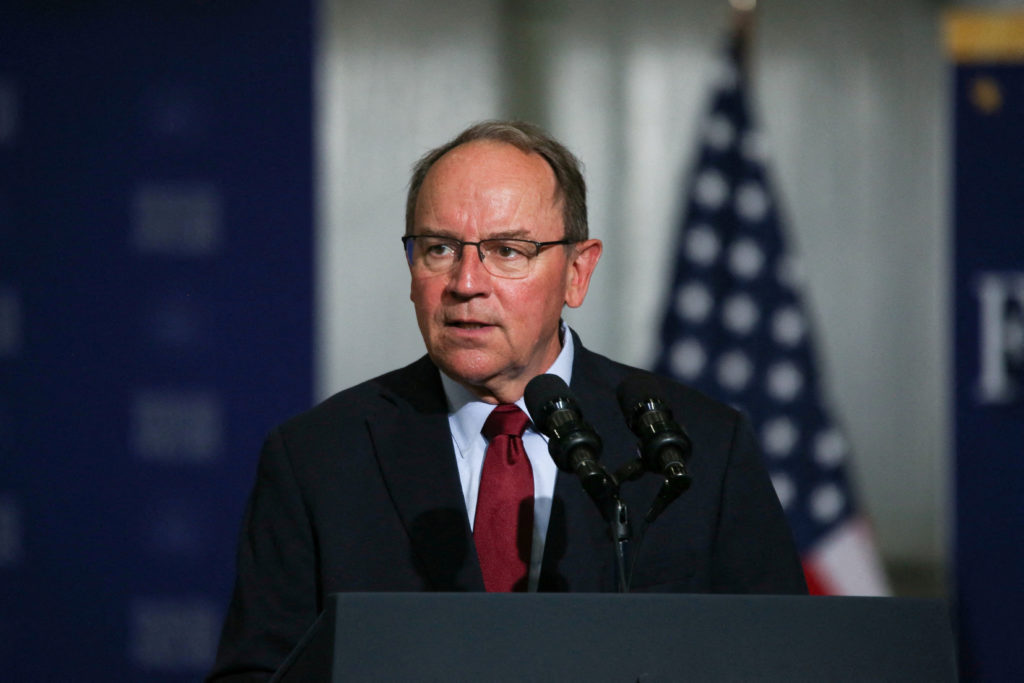
Jason Reding Quiñones, the US attorney for the Southern District of Florida, stated that prosecuting Roberts was essential because art fraud victimizes buyers who depend on the integrity of authentication processes. He noted that Roberts exploited the inherent trust within the art community, where dealers are expected to provide accurate provenance and verification. The statement underscored that those who profit through deception will be held accountable, sending a clear message about the seriousness with which federal authorities view such crimes.
This conviction is part of a broader pattern of enforcement against art forgery rings targeting iconic artists. In April, a father-daughter duo from New Jersey, Erwin Bankowski and Karolina Bankowska, admitted to commissioning an artist in Poland to create at least 200 fakes. Their scheme involved works attributed not only to Warhol but also to Banksy and Pablo Picasso. The pair defrauded buyers of at least $2 million by tricking galleries and auction houses into purchasing the forgeries.
The Bankowski case illustrates the scale and sophistication of modern art counterfeiting operations. The duo ran a years-long scheme that exploited gaps in verification processes across multiple venues. When sentenced, they could face up to 20 years in imprisonment as well as at least $1.9 million in restitution. These parallel cases suggest that federal prosecutors are prioritizing high-profile art fraud to protect the integrity of the market and compensate victims.
The sentencing of Roberts marks a significant development in the ongoing effort to combat art fraud. By imposing substantial prison time and financial penalties, authorities aim to deter future attempts to deceive collectors and institutions. The case highlights the vulnerabilities in the authentication process, particularly when dealers fabricate documentation from reputable sources like the Andy Warhol Foundation.
As the legal proceedings conclude for Roberts and Melendez, the art market remains under scrutiny for potential weaknesses in verification protocols. Collectors and institutions are likely to reassess their due diligence practices in light of these high-profile convictions. The emphasis on accountability serves as a reminder that the value of art relies heavily on the trust placed in its provenance and authenticity.
Looking ahead, the impact of these sentences may extend beyond the immediate defendants. Other individuals involved in similar schemes could face increased pressure from law enforcement agencies. The consistent messaging from prosecutors indicates a sustained commitment to rooting out fraud in the cultural sector. For buyers, the cases serve as a cautionary tale about the importance of rigorous verification before acquiring high-value artworks.
Sources behind this briefing
Go to the original reporting
- The Guardian US↗Art dealer who sold forged Warhols sentenced to nearly four years in prison