The short version
- A two-year study in Cambridgeshire found honeybees actively chase and displace wild pollinators from flowers.
- The surge in registered beekeepers has doubled since 2010, increasing hive density and resource competition.
- Higher temperatures are predicted to intensify these aggressive interactions as nectar becomes scarcer.
A significant shift in the dynamics of pollination is occurring across parts of the United Kingdom, driven by an unexpected source: managed honeybees. New research indicates that these domesticated insects are not merely competing with wild species for food but are actively engaging in aggressive behavior to secure resources. This finding challenges previous assumptions that competition was primarily indirect, occurring only through the depletion of available pollen and nectar.
The study, conducted by researchers at Anglia Ruskin University, observed pollinator interactions over a two-year period in Cambridgeshire. Scientists focused on areas near honeybee colonies where insects foraged on bramble and ivy plants. They documented three hundred distinct encounters between flower visitors from five categories: honeybees, bumblebees, solitary bees, hoverflies, and other insect groups including butterflies, beetles, and wasps. The goal was to determine how these species interact when sharing limited floral resources.
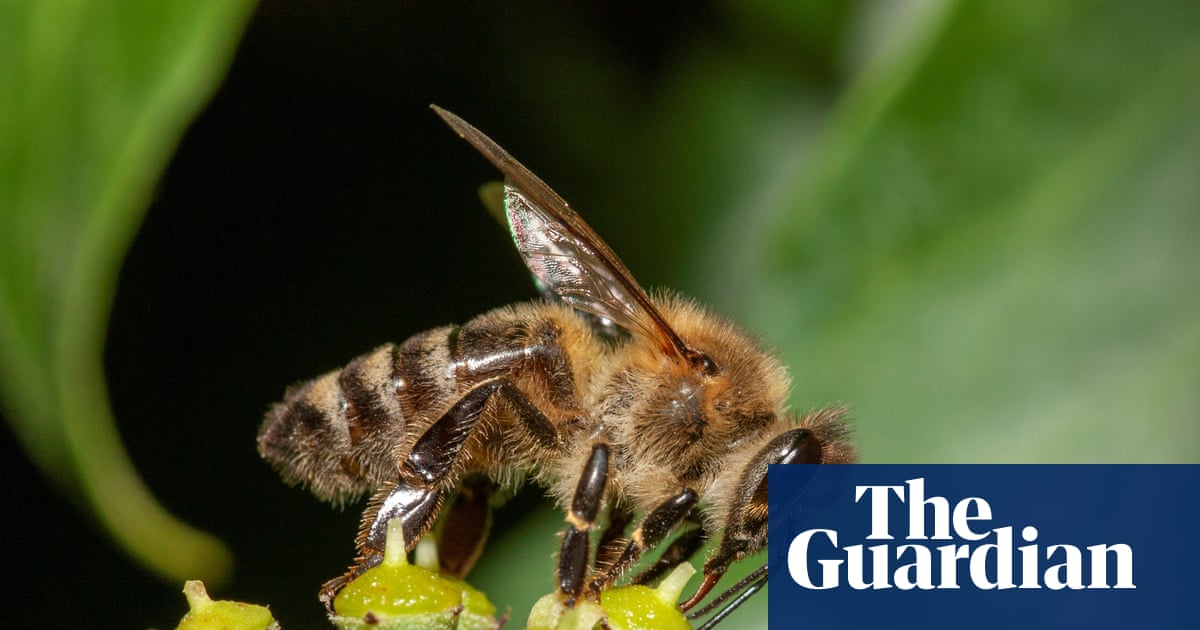
The results showed that honeybees were the dominant force in these interactions. In the majority of encounters across both plant species, honeybees emerged as the victors, gaining exclusive access to the flowers. This dominance was achieved through what researchers term interference competition, a direct form of rivalry where one species physically attacks or chases away another. Honeybees were observed landing on other insects, pushing them off blooms, or actively pursuing them until they left the area.
This aggressive posture appears distinct from the behavior of other pollinators. While bumblebees were also seen displacing rivals, researchers suggest this was likely accidental. Bumblebees tend to have less coordinated flight patterns in confined spaces, often bumping into other insects and causing them to fall off flowers unintentionally. In contrast, honeybee aggression seemed deliberate and targeted, reflecting their social structure which includes guard bees tasked with protecting the hive and brood from threats.
The context for this increased competition is a dramatic rise in beekeeping activity across the UK. Public campaigns aimed at saving bees have resonated widely, leading to a boom in hobbyists establishing hives. According to the National Bee Unit, the number of registered beekeepers has more than doubled, rising from nineteen thousand in 2010 to forty-seven thousand in 2025. This surge has increased the density of managed honeybees in many areas, particularly where wild floral resources are already scarce.
Wild pollinators are bearing the brunt of this pressure. The study found that areas with higher concentrations of honeybees had significantly fewer wild pollinators, including bumblebees and hoverflies. Other flower visitors actively avoided honeybees in roughly twenty-eight percent of interactions on bramble plants and thirty-six percent on ivy. This avoidance behavior suggests that the presence of managed bees creates a hostile environment for native species, limiting their ability to forage effectively.
There is one notable exception to this trend. The ivy bee, a species first recorded in the UK in 2001 that feeds primarily on ivy nectar, was able to hold its own against honeybees. These solitary bees were observed displacing and chasing honeybees away from flowers, demonstrating that some wild species can still compete effectively under certain conditions. However, for most other pollinators, the balance of power has shifted decisively toward managed honeybees.
Climate change is expected to exacerbate these competitive pressures. The study found that higher temperatures led to an increase in competitive interactions, likely because heat stress causes plants to produce less nectar and existing supplies dry up more quickly. With mean summer temperatures in the UK predicted to rise by up to four degrees Celsius by 2080, such resource scarcity will likely become more frequent, intensifying conflicts between managed and wild pollinators.
These findings have important implications for conservation efforts and beekeeping practices. Many beekeepers are environmentally conscious and aim to support biodiversity rather than harm it. Understanding the direct competitive impact of honeybees can help guide better planning and best practices. Future research will need to focus on how to protect wild pollinators while maintaining healthy managed colonies, ensuring that efforts to save bees do not inadvertently undermine the broader ecosystem.
The study highlights a complex reality in modern ecology: well-intentioned conservation actions can have unintended negative consequences. As the popularity of beekeeping continues to grow, balancing the needs of managed honeybees with those of wild pollinators will require careful management and further scientific inquiry. The data suggests that simply adding more hives is not always beneficial for overall pollinator health.
Sources behind this briefing
Go to the original reporting
- The Guardian World↗Honeybees are barging aside wild pollinators in hunt for pollen and nectar, study finds