The short version
- England's severe drought has resulted in a significantly reduced pumpkin harvest, potentially the worst on record due to the crop's high water requirements.
- Agricultural experts and horticulturists are urging consumers to abandon large carving pumpkins in favor of smaller varieties or painted vegetables to reduce waste.
- While size is diminished, the dry conditions have improved rind hardness and storage potential, though commercial value remains tied strictly to the holiday date.
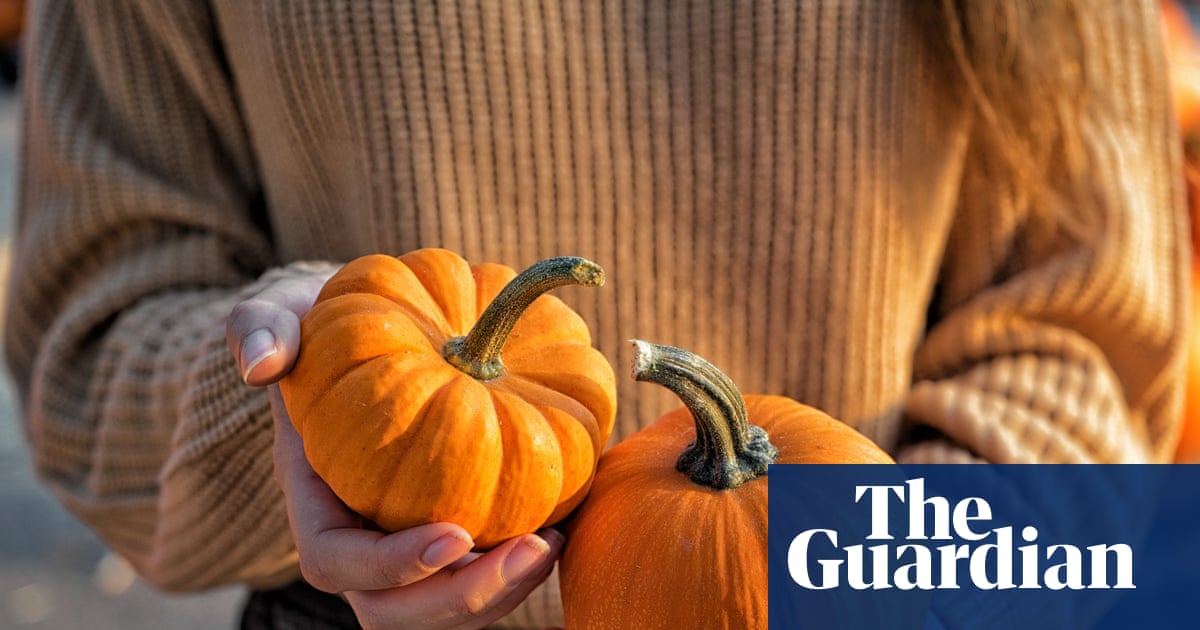
The traditional image of Halloween in England, characterized by large, carved pumpkins glowing on front porches, faces a significant disruption this year. Agricultural data indicates that the harvest for 2026 is likely to be the smallest on record, driven by a punishing drought that has persisted throughout much of the growing season. Growers and horticultural experts warn that the squashes available for purchase will be considerably smaller than usual, forcing a potential shift in how households celebrate the autumn festival.
The primary driver of this shortage is the biological nature of the pumpkin itself. These vegetables are composed of approximately ninety percent water, requiring substantial irrigation to reach their typical size and weight. The prolonged dry weather has made adequate watering difficult for farmers, stretching the crop's natural drought tolerance to its limit. Consequently, the fruits have not developed the bulk expected by consumers accustomed to giant carving specimens.
Guy Singh-Watson, founder of the organic vegetable company Riverford, noted that the reduced size is a direct and unsurprising result of the hot, dry summer. He argued that this shortage presents an opportunity to reconsider the cultural obsession with massive pumpkins. According to Singh-Watson, cultivating large, watery vegetables solely for decorative purposes before discarding them creates unnecessary environmental costs and generates significant waste without providing food.
Historical context supports a move away from pumpkins. The tradition of carving faces into vegetables originated in seventeenth-century Britain during the Celtic festival of Samhain, long before pumpkins were introduced to Europe in the sixteenth century Tudor period. Originally, people carved root vegetables such as turnips, celeriac, and mangelwurzels to ward off evil spirits. Experts suggest that returning to these roots or using smaller, more manageable squashes could align modern celebrations with both historical precedent and current agricultural realities.
Guy Barter, chief horticulturalist at the Royal Horticultural Society, confirmed that pumpkins are on the small side this year unless they received heavy irrigation, which has been impractical for many growers. However, he pointed out a silver lining: the heat and drought stress caused the fruits to ripen earlier than usual. This early ripening has resulted in excellent dry matter content and hard rinds, meaning the crop should store well despite its smaller stature.
Despite improved storage qualities, the commercial viability of these pumpkins remains precarious. Barter highlighted that commercial pumpkins lose their market value immediately after Halloween, regardless of their condition. This short shelf life is unfortunate given that the dried-out fruits make excellent soup ingredients until winter squashes take over later in the season. The disconnect between agricultural utility and consumer demand underscores the inefficiency of the current model.
In response to the challenging conditions, some gardeners have experimented with novel cultivation methods. Ali Goding, garden manager at RHS Harlow Carr in North Yorkshire, reported success using compost cakes to grow pumpkins. This technique helps retain moisture, humidity, and warmth, which is particularly beneficial for plants struggling in heavy clay soil during droughts. The results were described as fantastic, benefiting both the crop and local wildlife.
The unusual weather patterns have also influenced flavor profiles. While northern regions like North Yorkshire are typically too cool and damp for pumpkins to develop full flavor, the extra heat this year has worked in their favor. Goding noted that the pumpkins set with hard skins and should store well, offering good flavor due to the increased sunlight. This suggests that while size may be compromised, quality in terms of taste and durability has not necessarily suffered.
Singh-Watson advocates for celebrating the broader abundance of seasonal vegetables rather than focusing on a single crop. He promotes boxes containing small, colorful squashes such as crown prince, red onion, sweet lightning, futsu, and stripetti varieties. These alternatives offer decorative potential similar to traditional pumpkins but with considerably more flavor. The suggestion is simple: paint a face on a squash instead of carving it, then consume the vegetable afterward.
As Halloween approaches, the combination of drought-induced scarcity and growing environmental awareness may lead to lasting changes in holiday traditions. Whether through painted vegetables, smaller decorative squashes, or a return to historical root vegetable carvings, consumers are being encouraged to adapt. The shift reflects a broader recognition that agricultural practices must align with climatic realities, reducing waste while still allowing for seasonal celebration.
Sources behind this briefing
Go to the original reporting
- The Guardian World↗Squash down: smaller pumpkins expected this Halloween after drought in England