The short version
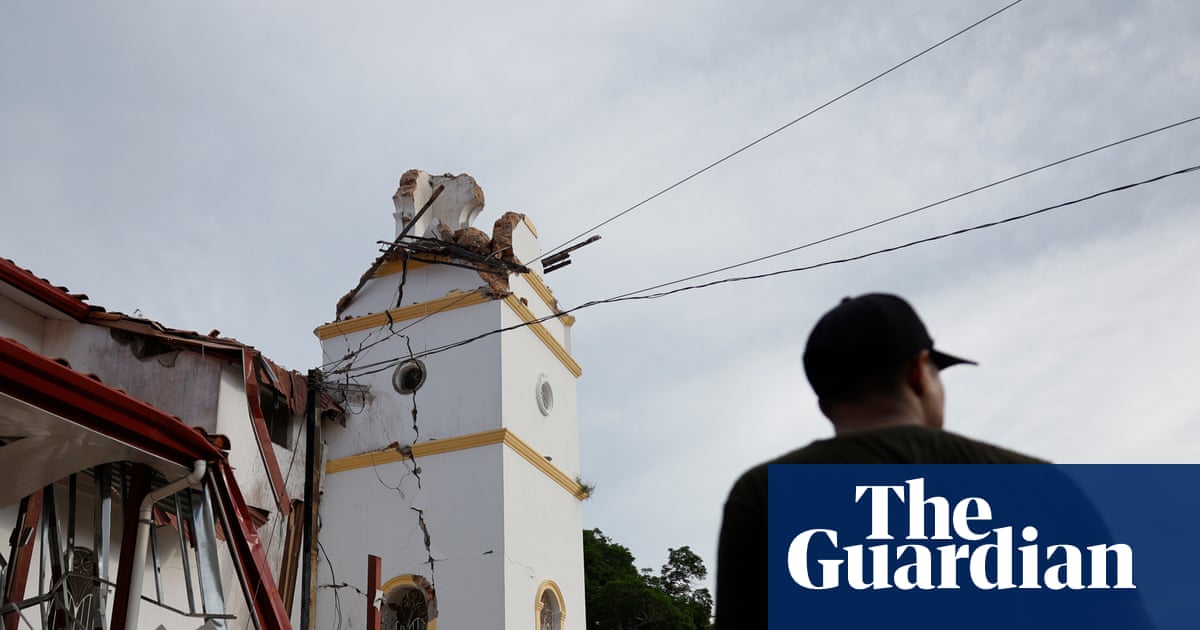
- A magnitude 7.7 earthquake struck southern Panama, causing significant structural damage and widespread panic in the capital.
- Despite severe shaking and road collapses, major infrastructure including the canal and airport resumed normal operations quickly.
- Authorities are assessing potential economic losses estimated at up to ten percent of the national gross domestic product.
A significant seismic event struck southern Panama on Friday, registering a magnitude of 7.7 according to data from the United States Geological Survey. The tremor occurred at a relatively shallow depth of approximately twelve kilometers, with its epicenter located in a sparsely populated region roughly two hundred kilometers from Panama City. Although the shaking lasted for about a minute, initial reports suggest that the country has avoided widespread destruction or confirmed fatalities, despite the intensity of the ground motion felt across the isthmus.
In the capital, the event triggered immediate and chaotic evacuations as residents fled high-rise buildings and commercial centers. Video footage circulated widely on social media platforms showed water cascading from rooftop pools of skyscrapers and bridges over the Panama Canal vibrating intensely while vehicles continued to cross them. Office workers found themselves stranded in traffic jams after leaving their workplaces, facing uncertainty about how to return home safely. The suddenness of the event caused considerable distress among the population, with some elderly residents visibly shaken by the prolonged vibrations.
President Jose Raul Mulino characterized the situation as a major disaster, noting that several roads had completely collapsed under the stress of the quake. Local officials and residents described the shaking as exceptionally strong and enduring. One resident recounted how heavy furniture and kitchen items moved violently during the tremor, while another reported her daughter being trapped at school in the central province of Cocle. These personal accounts highlight the severity of the experience for individuals on the ground, even if broader structural collapse was limited.
Despite the initial panic and infrastructure damage, critical economic arteries remained functional. The Panama Canal authority and the Cobre Panama copper mine both reported that operations continued without interruption following the event. Additionally, Tocumen International Airport lifted a temporary suspension on flights within hours of the quake, allowing travel to resume. This resilience in key sectors suggests that while local damage was significant, the national economic engine did not suffer a total shutdown, which is crucial for a country heavily reliant on trade and transit.
The United States Geological Survey estimated that approximately forty-three thousand people lived in areas exposed to severe shaking during the event. Economic projections indicate potential losses ranging from one percent to ten percent of Panama’s gross domestic product, reflecting the substantial financial impact even without catastrophic loss of life. Electricity provider Naturgy reported power outages affecting six provinces, further complicating recovery efforts and daily life for affected communities. The shallow depth of the earthquake likely contributed to the intensity of the shaking felt in populated areas.
In the aftermath, more than forty aftershocks were recorded, continuing to rattle the region and keeping residents on edge. Emergency response teams are actively assessing damage and assisting those displaced from their homes or workplaces. The timing of this event is notable, as Panama was scheduled to conduct a national evacuation drill later in the week, intended to test the country’s emergency preparedness systems. This real-world scenario has effectively replaced the planned exercise with an actual crisis management situation.
International attention has focused on the region, with U.S. Secretary of State Marco Rubio stating that his office is closely monitoring the situation and offering assistance if required. While strong earthquakes are not a common occurrence in Panama, this event underscores the seismic risks present in the area. Authorities remain vigilant as they coordinate relief efforts and assess the full extent of damage to roads, buildings, and utilities.
The coming days will be critical for determining the long-term impact on infrastructure and public confidence. While immediate fears have subsided somewhat with the resumption of normal operations at key sites, the psychological toll on residents who experienced such intense shaking cannot be understated. Recovery efforts will focus on repairing collapsed roads and restoring power to affected provinces, while officials work to ensure that emergency protocols are robust enough to handle future seismic events.
This incident serves as a stark reminder of the vulnerability of urban centers in seismically active zones. The combination of modern high-rise construction and older infrastructure presents unique challenges during such events. As Panama moves forward from this crisis, lessons learned from the response will likely inform future building codes and emergency preparedness strategies, aiming to mitigate risks associated with similar natural disasters.
For now, the priority remains on supporting affected communities and ensuring that essential services are fully restored. The absence of widespread casualties is a positive outcome, but the economic and infrastructural damage requires careful management. International support may play a role in aiding recovery, particularly if the estimated financial losses prove to be at the higher end of projected ranges. The resilience shown by key institutions offers hope for a swift return to stability.
Sources behind this briefing
Go to the original reporting
- The Guardian World↗Powerful 7.7-magnitude earthquake strikes Panama and triggers panic in capital