The short version
- A magnitude 4.8 earthquake struck near Leongatha at 2:01 am, with tremors felt throughout Melbourne and surrounding suburbs.
- Emergency services issued standard safety protocols while the Bureau of Meteorology confirmed there was no tsunami risk associated with the event.
- Experts note that South Gippsland is a seismically active region where aftershocks are expected to continue for several weeks.
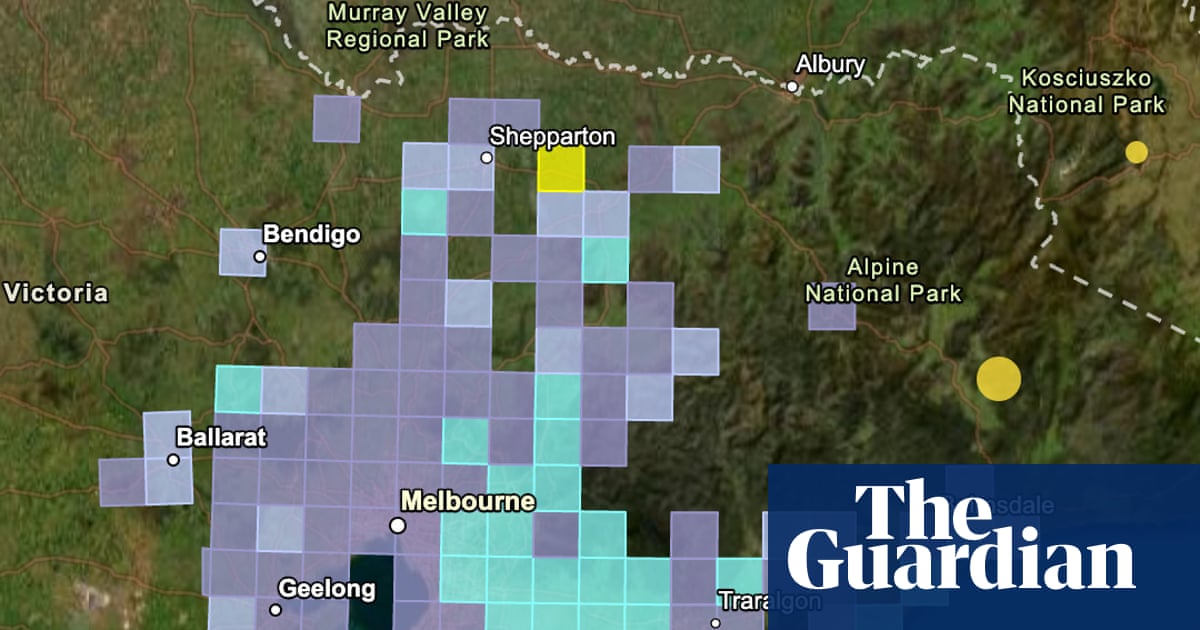
A significant seismic event occurred in Victoria during the early hours of Saturday, marking the strongest earthquake recorded in the state since 2023. Geoscience Australia detected the tremor at approximately 2:01 am local time, assigning it a preliminary magnitude of 4.8. The epicenter was located near Leongatha, roughly 130 kilometers southeast of Melbourne, with the rupture occurring about 10 kilometers beneath the Earth's surface. Despite its distance from the capital city, the shaking was widespread, waking residents across Melbourne and extending into various eastern suburbs.
Reports flooded in from communities well beyond the immediate vicinity of the epicenter. Residents in areas such as Narre Warren, Garfield, Preston, Heidelberg Heights, and Venus Bay described feeling their homes shake. Social media posts indicated that the disturbance was strong enough to rouse people from sleep in multiple locations. Geoscience Australia noted receiving thousands of individual reports confirming that the tremors were perceptible across a broad region, underscoring the reach of the seismic energy released by the event.
In response to the incident, Victoria’s State Emergency Service emphasized the importance of established safety procedures. Officials reminded the public to drop to the ground, take cover under sturdy furniture, and protect their heads and necks until the shaking subsides. This guidance serves as a critical reminder for residents in seismically active zones. Meanwhile, the Bureau of Meteorology quickly assessed the situation and confirmed that there was no threat of a tsunami resulting from this particular earthquake, alleviating concerns about coastal hazards.
The event occurred in South Gippsland, an area recognized by scientists as one of Australia's most active seismic zones. Mark Quigley, an associate professor of earthquake science at the University of Melbourne, explained that the quake resulted from a slip in a two-by-three-kilometer area of rock located deep underground. This movement involved a displacement of five to 10 centimeters, which rapidly released stored seismic energy. While the frequency of recorded earthquakes has not necessarily increased, Quigley noted that public awareness may be higher due to recent events.
Historical context provides perspective on the severity of this event. The last earthquake in Victoria to cause property damage was a magnitude 5.9 shock near Mansfield in 2021, which produced tremors felt as far as 700 kilometers away. Another notable event occurred in 2023 along the Great Ocean Road with a magnitude of 5.0. The Saturday morning quake is the largest recorded in the state since that 2023 event. Experts caution that while this specific earthquake did not cause widespread damage, the geological record indicates that Gippsland has experienced larger quakes in the past, potentially reaching magnitudes above six or even seven.
Following the main shock, seismic activity continued in the region. An aftershock measuring magnitude 3.1 was recorded just 55 minutes after the initial event. Additionally, a separate magnitude 3.3 earthquake had been detected earlier on Thursday morning near Yarram, approximately 80 kilometers east of Leongatha. These subsequent tremors are consistent with typical post-earthquake behavior in active fault zones. Scientists expect that aftershocks could continue to be felt in the area for several weeks as the crust adjusts to the stress changes caused by the main rupture.
While experts advise against panic, they suggest that residents use this event as an opportunity to review home safety measures. Quigley pointed out that larger earthquakes are possible in the region and could cause significant damage if they were to occur. He recommended that homeowners consider securing heavy items that might fall or break during stronger shaking. The incident serves as a practical reminder of the latent seismic risk in southeastern Australia, even in areas not traditionally associated with frequent high-magnitude events.
The broader implications of this earthquake lie in its demonstration of ongoing geological activity in Victoria. Although the magnitude 4.8 event was relatively moderate compared to historical maximums, its ability to be felt across a major metropolitan area highlights the vulnerability of populated regions to seismic hazards. Monitoring will continue as authorities track aftershock activity and assess any potential structural impacts. For now, the focus remains on public education and preparedness rather than immediate emergency response, given the lack of reported injuries or significant property damage.
Sources behind this briefing
Go to the original reporting
- The Guardian World↗Magnitude 4.8 earthquake hits Victoria with tremors felt across Melbourne