The short version
- US inspectors identified cyclospora in environmental samples at the Mexican facility associated with the largest outbreak of the parasite in US history.
- The finding conflicts with a prior assessment by Mexican regulators who reported no contamination in lettuce or water at the same site.
- Taylor Farms stated the contamination originated from an independent grower no longer part of its supply chain and confirmed the facility remains closed.
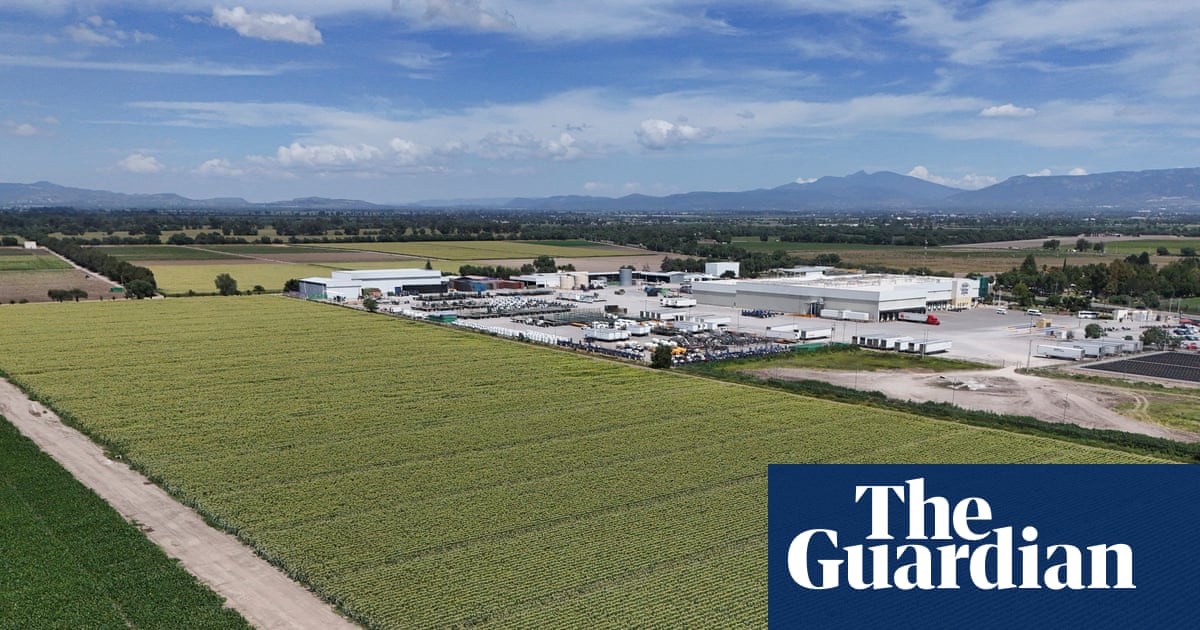
Federal health officials have confirmed the presence of cyclospora at a Mexican agricultural facility linked to the most significant outbreak of the parasite in United States history. The Food and Drug Administration announced on Friday that inspectors detected the microscopic organism in two specific areas of the site: a wastewater tank and a drainage ditch utilized for lettuce cultivation. This discovery provides tangible evidence connecting the farm to the widespread illness, even as the precise mechanism of contamination remains undetermined.
The confirmation arrives shortly after the Centers for Disease Control and Prevention declared an end to the multi-state health crisis. The outbreak infected nearly 13,000 individuals across twenty-one states, resulting in 570 hospitalizations and two fatalities. Symptoms associated with cyclosporiasis typically include severe watery diarrhea, stomach cramps, bloating, loss of appetite, and weight loss. While less common than illnesses caused by salmonella or E. coli, the parasite poses significant risks to public health when it enters the food supply.
The FDA’s findings stand in direct contrast to conclusions drawn by Mexican food safety regulators. Authorities in Mexico conducted their own investigation of the facility and reported that they did not detect cyclospora in either the lettuce or the water sources at the site. This divergence in results highlights the complexities of international food safety coordination and the challenges inherent in tracing contamination across borders.
Tensions surrounding the investigation were heightened earlier this month when the FDA was compelled to retract a faulty test result. The agency had initially claimed to have identified cyclospora in a sample of lettuce from Taylor Farms collected at the border, but that finding was later deemed incorrect. The subsequent detection of the parasite in environmental samples rather than the produce itself has shifted the focus toward agricultural practices and infrastructure at the farm level.
The inspection marks a notable return to rigorous oversight for US regulators. The visit to the Guanajuato facility occurred more than six weeks after investigators arrived on site, representing the FDA’s first presence there in over seven years. This gap in inspections followed a sharp decline in international food safety checks during the pandemic era, raising questions about the consistency of monitoring protocols for imported produce.
Despite the uncertainty regarding how the lettuce became contaminated, US officials assert that the environmental samples provide strong epidemiological data linking the outbreak to the Taylor Farms location. The agency emphasized that the presence of the parasite in wastewater and drainage systems supports the conclusion that the farm was the source of the widespread illness affecting thousands of consumers.
Taylor Farms has responded to the findings by attributing the contamination to an independent grower who is no longer part of its supplier program. The company stated that its facility in central Mexico remains closed while it collaborates with research teams to implement enhanced safety protocols. These measures aim to address vulnerabilities from the field to the processing facility, seeking to prevent future occurrences.
The resolution of this case underscores the critical importance of environmental sampling in foodborne illness investigations. While the immediate public health threat has subsided, the discrepancy between US and Mexican regulatory findings suggests that harmonizing inspection standards and data sharing remains a priority for international food safety efforts. The closure of the facility and the implementation of new safety measures signal a commitment to preventing similar outbreaks in the future.
Sources behind this briefing
Go to the original reporting
- The Guardian World↗Cyclospora found at Mexican farm linked to lettuce outbreak, FDA says