The short version
- President Emmanuel Macron criticized unnamed foreign leaders, including Donald Trump and Benjamin Netanyahu, for making what he called stupid comments about the riots to benefit their own election campaigns.
- Authorities are investigating potential disinformation campaigns involving AI-generated content and pro-Russian narratives that may have amplified the violence and spread false claims of migrant invasions.
- The government has acknowledged losing control during initial weekend riots but has since imposed curfews and promised a reinforced security operation ahead of planned demonstrations by student groups and yellow vest activists.
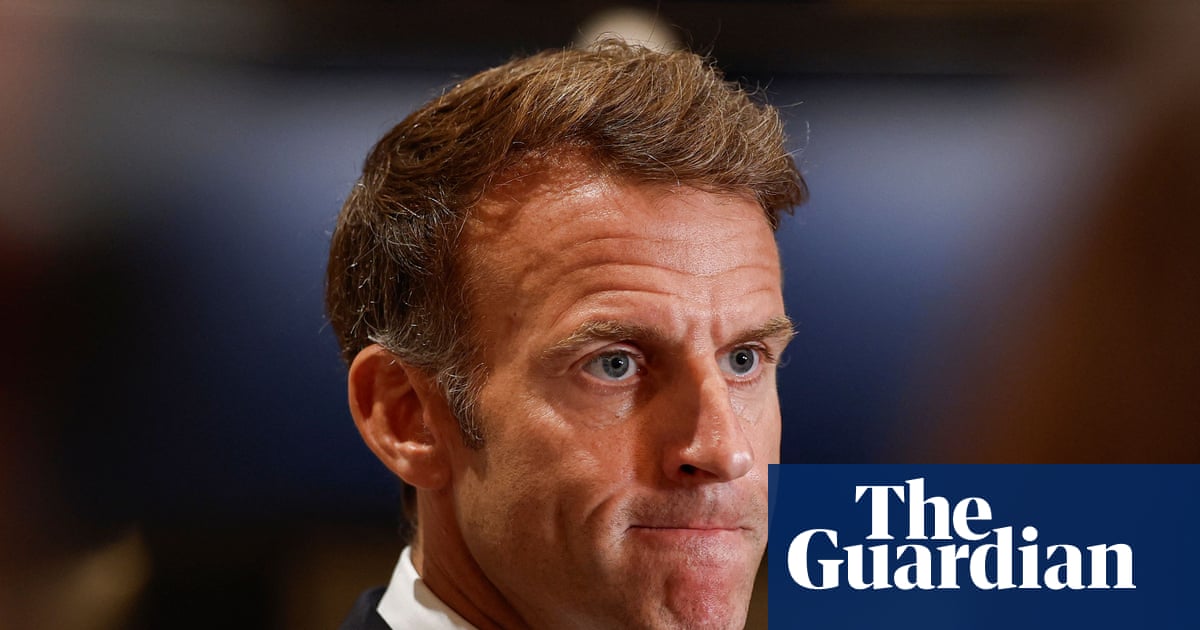
French President Emmanuel Macron has sharply criticized foreign political leaders for exploiting recent street violence in France to advance their own electoral agendas. Speaking from Doha, Qatar, during a diplomatic visit aimed at securing energy deals, Macron accused unnamed officials of spreading misleading information and making unacceptable remarks about the unrest. While he did not explicitly name individuals in his initial statement, he later confirmed that US President Donald Trump was among those he referenced. The French leader argued that these figures were using France’s internal crisis as a backdrop for their political campaigns, a tactic he described as naive and detrimental to the country’s stability.
The comments appear directed at Trump, who has blamed the violence on migrants, jihadists, and communists while campaigning ahead of midterm elections, and Israeli Prime Minister Benjamin Netanyahu, who faces parliamentary votes next week. Netanyahu recently characterized the situation in France as an invasion of extremist Islam, a claim Macron dismissed as completely false. The French president emphasized that such narratives were being promoted by specific circles seeking to manipulate public perception, noting that AI-generated images depicting scenes that never occurred had circulated widely online.
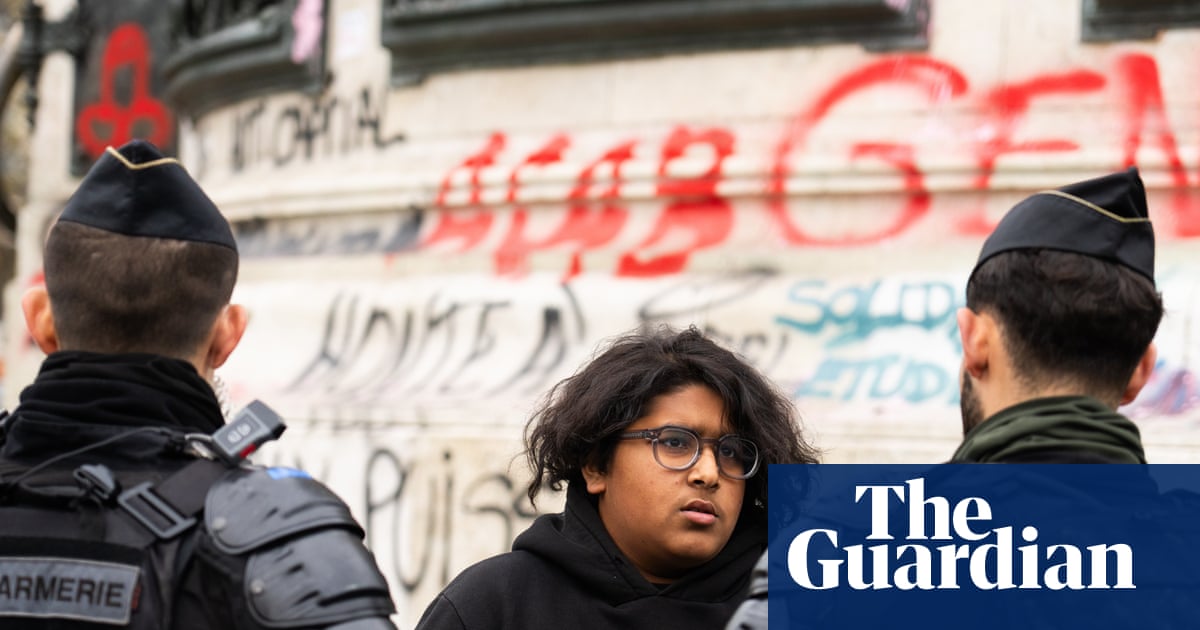
The unrest began with largely peaceful demonstrations regarding the cost of living and conditions in high schools but rapidly escalated into widespread violence, looting, and property damage across major cities including Paris, Marseille, Lyon, and Limoges. In Limoges, the town hall was set on fire and partially destroyed. The government admitted that police forces lost control during the initial outbreak of violence on Saturday. Since then, nearly 150 individuals have been jailed and more than 800 brought before courts. Video footage of clashes between masked rioters and law enforcement has spread across social media platforms, fueling further anxiety.
Authorities are now investigating whether foreign actors played a role in amplifying the chaos through disinformation campaigns. EU regulators are examining possible online interference linked to pro-Russian and far-right accounts. Researchers have identified fake videos featuring branding similar to legitimate French news outlets such as Le Monde and France 24, which experts attribute to Russian operations like Matryoshka and Storm-1516. These efforts appear designed to sow discord and exaggerate the scale of the unrest. Iran and Algeria are also suspected of contributing to some messaging, given historical tensions with France.
Macron insisted that there was no visible foreign interference in the events themselves but acknowledged significant manipulation of information afterward. He rejected calls for a state of emergency, asserting that France has sufficient means to handle the situation without such extreme measures. However, the government has promised a massive and reinforced security operation for upcoming protests. Partial night-time curfews imposed in areas prone to violence have helped ensure relative calm in recent days and are expected to be renewed. Troops may be deployed alongside police reinforcements to prevent any repeat of last weekend’s convulsions.
The political stakes remain high as France prepares for further demonstrations this Saturday. The gilets jaunes movement has formally filed plans for a march through central Paris, aiming to revive their 2018 campaign against rising living costs and declining public services. Student groups have also called for protests on the same day to demand greater investment in education. Macron vowed that those seeking to cause disorder would be prevented from doing so, emphasizing that there must be no wavering at the top of the state. Union representatives met with Prime Minister Sébastien Lecornu, but no concrete policy announcements followed the discussions.
The unrest has rattled financial markets, with yields on French government bonds rising to their highest level since 2002. Several countries have issued travel warnings for France due to the volatile situation. The crisis erupts just six months before presidential elections to choose Macron’s successor, adding pressure on his administration to restore order and address underlying economic grievances. Main trade unions have called for a nationwide mobilization in early November, arguing that repression is not the answer to legitimate anger over living standards.
Violent protests have also emerged in other European nations, including Italy and Belgium, raising concerns about the spread of discontent across the continent. Many of these countries face similar budget constraints and public dissatisfaction with government responses to economic challenges. Italy has ordered troops to Milan to stem street violence, highlighting a broader regional trend of civil unrest. As France navigates this complex landscape, the government faces the dual challenge of maintaining security while addressing the root causes of public frustration without succumbing to external political pressures or internal polarization.
Sources behind this briefing
Go to the original reporting
- The Guardian World↗Macron accuses Trump and other foreign leaders of making ‘stupid comments’ about France unrest
- BBC World↗Macron accuses foreign leaders of exploiting French riots