The short version
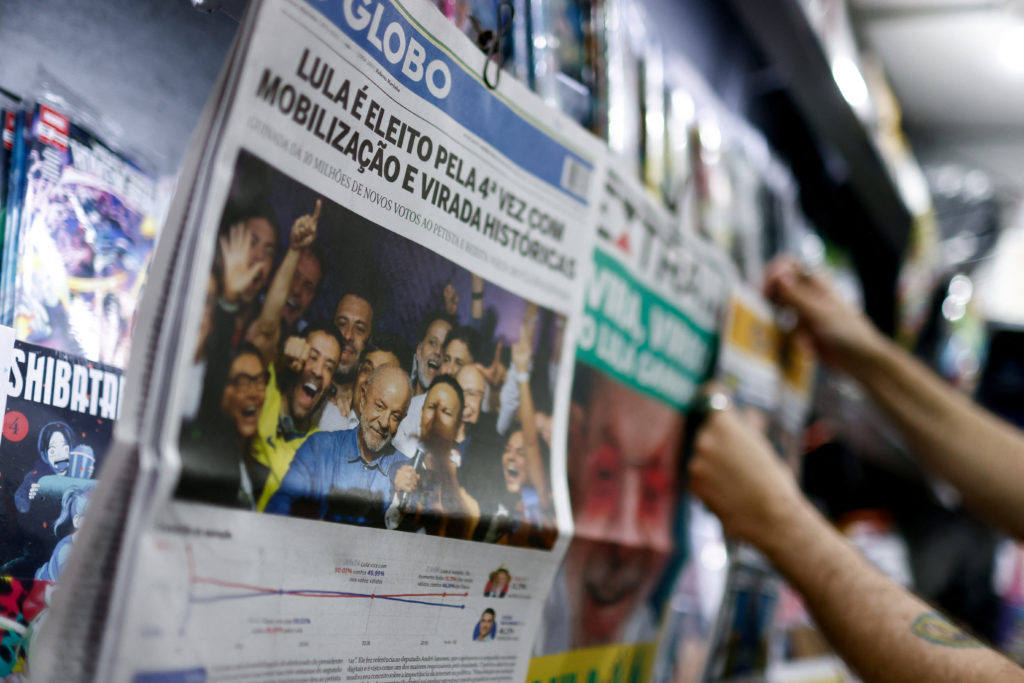
- Luiz Inácio Lula da Silva wins re-election with 51.8% of the vote, ending a streak of conservative victories across the region.
- The result denies the Trump administration a strategic partner for its anti-cartel coalition and access to critical minerals.
- Despite political differences, both nations may seek pragmatic cooperation on trade and investment despite ongoing tensions.
Brazilian voters have decisively rejected the region’s recent conservative surge by re-electing President Luiz Inácio Lula da Silva. Securing 51.8 percent of the ballot against challenger Flávio Bolsonaro, who received 48.2 percent, Lula has halted a sequence of seven straight right-wing presidential wins that had swept through Latin America over the previous eighteen months. This outcome preserves Brazil’s status as a progressive counterweight in the Western Hemisphere and disrupts efforts by the United States to consolidate a unified conservative bloc across the continent.
The election results carry significant geopolitical weight for Washington. The Trump administration has actively sought to tighten its influence in the region through punitive tariffs, sanctions, and military partnerships. A victory for Bolsonaro would have provided the U.S. with a powerful ally in Latin America’s largest economy, potentially leaving Mexico as the only major progressive power in the hemisphere. Instead, Lula’s return complicates American plans to enlist Brazil in a military coalition aimed at combating drug cartels and to secure preferential access to the nation’s vast reserves of rare earth minerals.
Tensions between Washington and Brasília have escalated in recent months due to conflicting foreign policy priorities. The U.S. designated two major Brazilian criminal factions as terrorist organizations, a move Lula warned could serve as a pretext for American intervention. Brazil has consistently resisted joining the Shield of the Americas, a U.S.-led security initiative targeting drug trafficking networks. While countries along key cocaine and migrant routes, such as Ecuador, Honduras, Guatemala, and Colombia, have agreed to joint military operations with the United States, Brazil has maintained its traditional stance of nonalignment.
Lula’s campaign successfully channeled nationalist sentiment against perceived U.S. overreach. Heavy tariffs imposed by Washington on Brazilian goods, intended to punish the country for prosecuting former President Jair Bolsonaro over alleged coup plots, sparked a backlash that Lula framed as a defense of national sovereignty. His victory speech emphasized that Brazil does not accept being treated as a backyard for foreign powers. This narrative resonated with voters who viewed the Bolsonaros’ close ties to Washington as a threat to democratic institutions and independent decision-making.
The broader regional context highlights a shift toward hardline right-wing governance in many Latin American nations. Voters frustrated by rising crime rates have rewarded candidates promising strict law and order, often drawing inspiration from El Salvador’s President Nayib Bukele. Leaders in Peru, Colombia, and Chile have aligned themselves with this trend, receiving electoral endorsements and financial support from the Trump administration. Brazil’s rejection of this path marks a significant divergence, maintaining its engagement with competing global powers such as China and its role within BRICS.
Despite the political friction, analysts suggest that practical cooperation remains possible. The United States seeks to reduce its defense industry’s reliance on Chinese supplies by accessing Brazilian rare earth elements. Conversely, Lula’s administration desires foreign investment and relief from tariffs for Brazilian exporters. Experts note that Lula is pragmatic enough to establish a working relationship with the Trump administration, even if ideological differences persist. The defeat of the Bolsonaros may also diminish their influence among allies in Washington, reducing their role as central figures in U.S.-Brazil relations.
The immediate aftermath of the election has been marked by uncertainty and refusal to concede. Flávio Bolsonaro has called for the annulment of the results, while President Trump had not publicly acknowledged Lula’s victory as of Monday morning. This lack of recognition contrasts with congratulations received from Brazil’s international partners. The situation underscores the delicate balance between diplomatic protocol and political strategy in U.S.-Latin America relations.
This election is part of a high-stakes global voting cycle that includes significant contests in Serbia, Israel, and the upcoming U.S. midterm elections. These events collectively have the potential to reshape international politics and alliances. Brazil’s choice to maintain its independent foreign policy stance sends a clear message about the limits of external influence in the region. As both nations navigate this new dynamic, the focus will likely shift toward negotiating specific economic and security interests rather than broad ideological alignment.
The long-term implications for regional stability remain unclear. While the conservative wave has been checked in Brazil, other nations continue to pursue closer ties with Washington through security cooperation. The divergence in approaches may lead to a more fragmented Latin America, with countries balancing their dependence on the U.S. market against desires for sovereignty. Lula’s re-election ensures that Brazil will continue to play a pivotal role in mediating these tensions and advocating for a multipolar world order.
Moving forward, the relationship between Washington and Brasília will likely be characterized by cautious engagement. Both sides have incentives to cooperate on specific issues, but deep-seated mistrust and differing strategic visions pose significant challenges. The outcome of this election serves as a reminder that regional dynamics cannot be easily dictated from abroad. As global politics shift, Brazil’s stance may influence other nations considering their own alignments in an increasingly polarized world.
Sources behind this briefing
Go to the original reporting
- PBS NewsHour↗Lula bucks regional shift to the right and denies Trump a powerful ally in Brazil