The short version
- Luiz Inácio Lula da Silva has been declared the winner of Brazil's presidential runoff with approximately 51.8 percent of the vote, securing a fourth non-consecutive term.
- Flávio Bolsonaro refuses to concede, citing procedural irregularities related to a last-minute extension of voting hours and demanding annulment of the results.
- The outcome reinforces Latin America's resistance to U.S. pressure, as Lula pledges to maintain national sovereignty despite potential economic tariffs from Washington.
Brazil’s electoral court has officially declared President Luiz Inácio Lula da Silva the winner of the nation’s high-stakes presidential runoff, confirming his reelection with a margin of nearly 4.4 million votes. The incumbent secured 51.8 percent of the total vote against his opponent, Flávio Bolsonaro, marking a significant political victory for the veteran leader who is set to begin his fourth non-consecutive term in early 2027. This result provides a sense of relief to critics concerned about the expanding influence of former U.S. President Donald Trump across Latin America, as Brazil’s leadership remains aligned with policies that often diverge from Washington’s current direction.
Despite the official declaration, the election concluded amid considerable confusion and controversy. In the final minutes before polls were scheduled to close, Supreme Court Justice Cristiano Zanin issued a ruling to extend voting hours by two additional days. This decision came after both candidates requested extensions for different reasons: Lula cited transportation issues affecting voters in key cities like São Paulo and Salvador, while Bolsonaro pointed to heavy rains disrupting access in southern regions where he holds strong support. The extension delayed the vote tallying process and sparked immediate backlash from Bolsonaro’s camp.
Flávio Bolsonaro, son of former President Jair Bolsonaro, swiftly rejected the results and called for their annulment. He criticized Justice Zanin, noting that the judge previously served as Lula’s lawyer, and argued that changing the rules mid-election undermined democratic integrity. Bolsonaro claimed it was impossible to recognize the outcome given these procedural shifts. While he has the right to request a recount if evidence of fraud exists, legal experts suggest his chances of successfully overturning the results are slim. One law professor noted that while filing a lawsuit is possible, there is little legal basis for invalidating the entire election based solely on the time extension.
The electoral court’s president, Kassio Nunes Marques, who was appointed by Jair Bolsonaro, stated that the extended voting hours did not materially impact the final results. Observers reported that many polling stations in major cities like Brasília and Rio de Janeiro closed shortly after the original deadline, suggesting limited adherence to the extension in some areas. Nevertheless, the uncertainty surrounding how many locations remained open has fueled disputes over the fairness of the process. Bolsonaro’s refusal to concede adds another layer of tension to an already polarized political landscape.
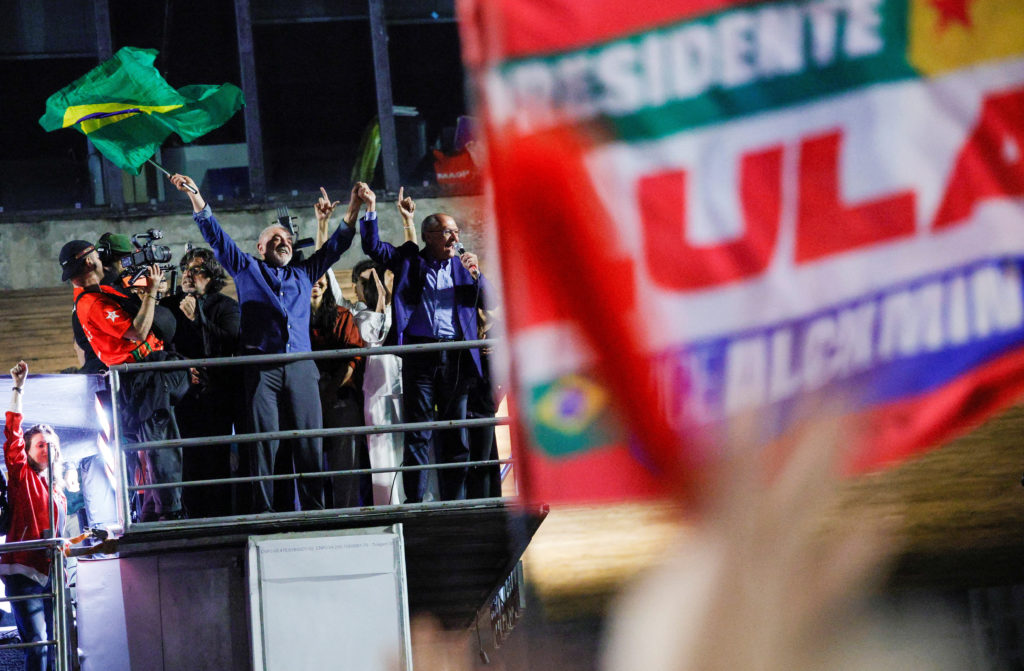
Lula celebrated his victory with supporters gathered in São Paulo and Rio de Janeiro, expressing gratitude to the Brazilian people and reaffirming his commitment to respecting all citizens regardless of gender or religion. He also took aim at his opponent, describing the election as a defeat for denialism and falsehoods. In a speech emphasizing national pride, Lula declared that Brazil would not accept being treated as anyone’s backyard, underscoring his stance on sovereignty. His remarks reflect broader concerns about foreign interference in domestic affairs, particularly given ongoing global conflicts and diplomatic pressures.
The election takes place against the backdrop of significant economic implications for Latin America’s largest economy, which boasts a GDP of $2.6 trillion annually. Lula’s re-election signals continuity in policies that may defy U.S. demands, including potential resistance to increased tariffs imposed by Washington. Supporters view this as a safeguard against external influence, while critics worry about the economic consequences of such defiance. Financial markets reacted positively to the initial round results when Bolsonaro led, but the final outcome introduces new uncertainties regarding future trade relations.
Public reactions varied widely across the country. In Rio de Janeiro, supporters of Lula cheered loudly, with some taunting Bolsonaro backers dressed in yellow and green, the signature colors of his campaign. Conversely, Bolsonaro supporters expressed dismay, with one businessman stating that another Lula administration would harm the economy and questioning why anyone would vote for him. These contrasting views highlight the deep divisions within Brazilian society, where perceptions of economic stability and political legitimacy remain sharply contested.
As the dust settles on this contentious election, attention now turns to what comes next. Legal challenges from Bolsonaro’s team could prolong uncertainty, though experts doubt they will succeed in overturning the results. Meanwhile, Lula faces the task of governing a divided nation while navigating complex international relationships. His pledge to uphold sovereignty and resist foreign pressure sets the stage for potential friction with global powers, particularly the United States. The coming months will reveal how effectively he can balance domestic priorities with external expectations.
Sources behind this briefing
Go to the original reporting
- PBS NewsHour↗Incumbent Lula is declared winner of Brazil's election as Bolsonaro rejects results