The short version
- Audi CEO Gernot Döllner announced a $4 billion investment in Georgia while appearing at a Donald Trump rally days before the US midterm elections.
- German labor leaders and political figures condemned the move as a breach of political neutrality and an embarrassment to the company’s history and employees.
- The announcement coincides with Volkswagen Group’s ongoing efforts to cut jobs and close plants in Germany, intensifying internal tensions between management and workers.
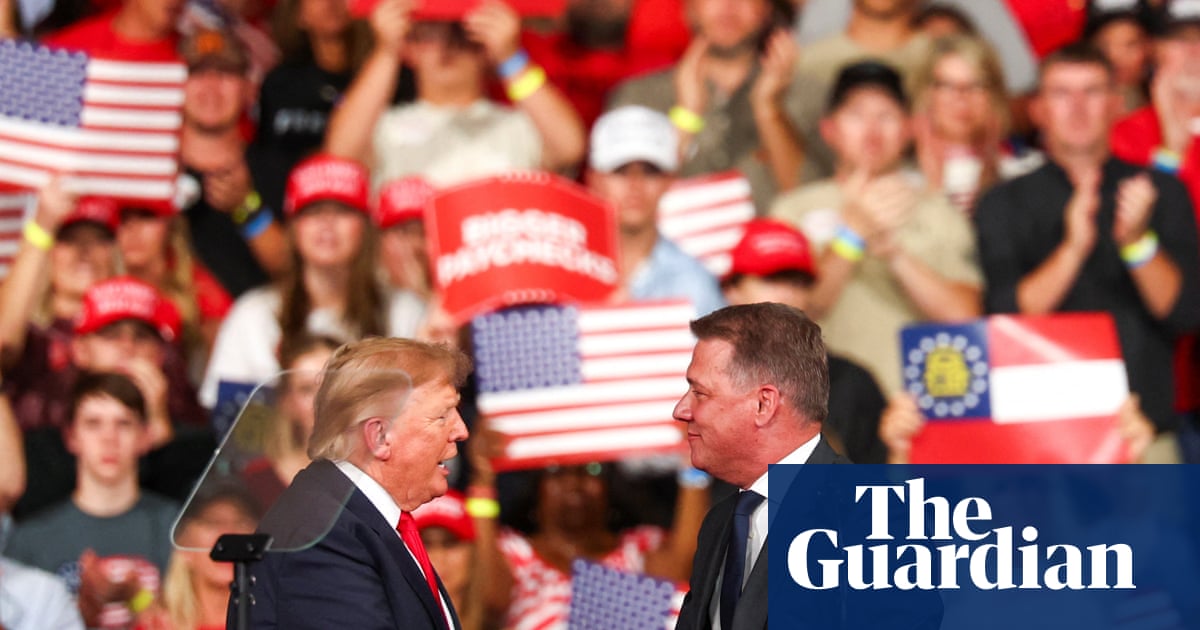
Gernot Döllner, the chief executive of Audi, has become the center of a significant controversy in Germany after appearing on stage with former President Donald Trump at a political rally. The event took place just days before the United States midterm elections, during which Döllner announced a major financial commitment to expand Audi’s manufacturing footprint in America. By joining Trump for this announcement, the executive drew sharp rebuke from labor representatives, political opponents, and internal company critics who viewed the move as a violation of expected corporate neutrality.
The rally occurred in Perry, Georgia, near Macon, where Döllner and Trump revealed plans for Audi to invest $4 billion in constructing its first factory in the United States. The project is projected to create 4,500 jobs and produce up to 200,000 SUVs annually once operations begin in the 2030s. Construction is scheduled to start next year. This move addresses a strategic vulnerability for Audi, which remains the only premium German carmaker without a domestic manufacturing plant in the US, leaving it exposed to import tariffs that cost the company an estimated €1.2 billion last year.
Critics within Germany have reacted with outrage to the timing and nature of the appearance. Daniela Cavallo, who leads the works council at Audi’s parent company, Volkswagen, described Döllner’s participation as shameful. She argued that by engaging with Trump after his speech, which she characterized as containing racism, sexism, transphobia, and contempt for democracy, Döllner allowed the company to be used as a prop in a political propaganda effort. Internal communications released to German media highlighted her view that the executive had compromised the integrity of the organization.
Political figures in Germany have also weighed in, with Isabel Cademartori, a transport spokesperson for the Social Democrats, labeling the actions a disgrace. She specifically referenced the historical context of Volkswagen’s founding under the Nazi regime, suggesting that such political entanglements are particularly inappropriate given the company’s past. Meanwhile, the German government declined to comment directly on the incident, characterizing it as a business decision regarding investment locations and executive appearances rather than a matter for state intervention.
Labor unions have been among the harshest critics of Döllner’s conduct. Christiane Benner, head of the powerful IG Metall union and deputy chair of Volkswagen’s supervisory board, called the appearance extremely embarrassing and politically unacceptable. She accused Döllner of breaching the company’s code of conduct, which mandates political neutrality during election periods. Benner emphasized that such a significant investment would require approval from the supervisory board, signaling potential internal hurdles for the project despite the public announcement.
The controversy unfolds against a backdrop of severe restructuring within Volkswagen Group. The automaker is currently engaged in a contentious battle with labor over plans to eliminate as many as 100,000 jobs and close several factories in Germany. Management attributes these cuts to intense competition from Chinese manufacturers, the high costs of transitioning to electric vehicles, and the impact of US tariffs. Audi’s facility in Neckarsulm, which employs 15,000 people, is among those threatened with closure in the early 2030s, adding a layer of tension to the announcement of new jobs abroad.
The political stakes in Georgia are high, as the state plays a crucial role in the Democratic Party’s efforts to regain control of the Senate. Incumbent Senator Jon Ossoff is facing a challenging re-election bid against Republican Mike Collins in a state that Trump won in the 2024 presidential election. Trump has argued that his tariff policies on car imports benefit the US economy, framing the Audi investment as evidence of this success. However, the association with Trump remains deeply unpopular in Germany, where he has openly supported the far-right Alternative für Deutschland party.
As the midterm elections approach, the fallout from Döllner’s appearance continues to resonate within Volkswagen Group. The incident highlights the delicate balance executives must maintain between securing favorable business conditions abroad and adhering to domestic expectations of political neutrality. With labor unions demanding accountability and political figures condemning the move, the company faces mounting pressure to clarify its stance on engaging with polarizing political figures during critical electoral periods.
Sources behind this briefing
Go to the original reporting
- The Guardian US↗Audi boss under fire in Germany for Trump rally appearance