The short version
- Luiz Inácio Lula da Silva won the presidential runoff against Flávio Bolsonaro after trailing in the first round.
- The victory marks a historic reversal, as no runner-up from the first round has ever won the second round since democracy returned to Brazil in 1985.
- Flávio Bolsonaro rejected the election results, while Lula secures his fourth term and extends his status as the longest-serving president in modern Brazilian history.
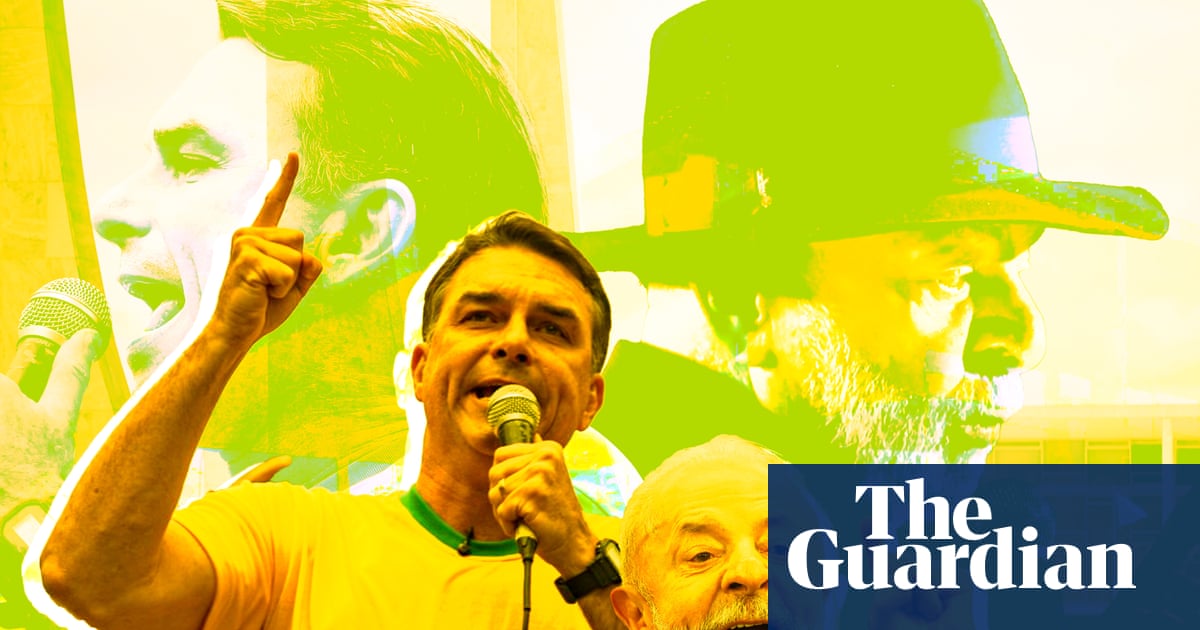
Luiz Inácio Lula da Silva has secured a historic victory in the 2026 Brazilian presidential election, defeating Flávio Bolsonaro in the second-round runoff. The result marks a dramatic turnaround for the incumbent left-wing leader, who had suffered a shock defeat in the first round of voting held on October 4. By winning the runoff, Lula not only retains the presidency but also cements his place as the longest-serving president in Brazil’s modern history, having previously served two terms from 2003 to 2010 before returning to office in 2023.
The path to this victory was unprecedented. Since the return of democracy to Brazil in 1985, no candidate who finished second in the first round has ever managed to win the subsequent runoff. In the initial vote, Flávio Bolsonaro, a lawyer and former senator from Rio de Janeiro, emerged as the leading candidate. He capitalized on strong support in southern regions, notably defeating Lula in the bellwether state of Minas Gerais with 48.43% of the vote compared to Lula’s 43.33%. This regional dynamic contrasted sharply with the 2022 election, where Lula entered the runoff as the frontrunner and secured a win in Minas Gerais against Bolsonaro’s father.
Lula’s campaign gained significant momentum following the first round, buoyed by massive, student-led anti-Bolsonaro protests across the country. These demonstrations signaled a shift in public sentiment and provided crucial support for Lula’s fightback. The electoral system in Brazil relies purely on the popular vote, requiring a candidate to secure one more than 50% of votes cast to win outright. Because neither candidate achieved this threshold in October, the contest moved to a runoff between the top two finishers.
The political stakes were heightened by the personal and legal circumstances surrounding the Bolsonaro family. Flávio Bolsonaro is the son of former president Jair Bolsonaro, who is currently serving a 27-year prison sentence for plotting a failed coup attempt after losing to Lula in 2022. Despite his incarceration, Jair Bolsonaro endorsed his son’s candidacy and expressed hope that a victory would lead to his release. The age difference between the candidates was also notable: Lula, who turned 81 on Tuesday, faced off against the 45-year-old Flávio Bolsonaro.
The outcome of the election has immediate implications for Brazil’s political stability and international relations. CNN reported that Flávio Bolsonaro rejected the results of the runoff, echoing patterns of contestation seen in previous elections involving his family. This rejection introduces uncertainty regarding the transition period and potential legal challenges to the vote count. Meanwhile, Lula’s victory ensures continuity in his administration’s policies, which have focused on social programs and environmental protection during his current term.
The election results underscore the deep polarization that continues to define Brazilian politics. While Lula’s base remains concentrated in the north-east of the country, Bolsonaro’s support has historically been stronger in the south. The ability of Lula to bridge this divide and secure a national majority despite an initial deficit highlights the volatility of the electorate. Student-led protests played a pivotal role in mobilizing voters who may have otherwise abstained or supported third-party candidates.
As Brazil prepares for Lula’s fourth term, questions remain about how his administration will address economic challenges and social unrest. The rejection of results by Bolsonaro’s camp suggests that political tensions may persist beyond the election day. International observers are closely monitoring the situation to ensure the integrity of the democratic process is maintained. Lula’s historic comeback serves as a testament to the resilience of Brazil’s electoral system, even in the face of significant opposition and controversy.
The victory also sets the stage for future political dynamics within the country. With Jair Bolsonaro remaining a influential figure despite his imprisonment, the ideological battle between left-wing and far-right factions is likely to continue. Lula’s ability to unify diverse voter groups will be tested as he begins his new term. The election results reflect a complex interplay of historical legacy, regional preferences, and contemporary social movements that shape Brazil’s political landscape.
In summary, Luiz Inácio Lula da Silva’s win in the 2026 presidential runoff represents a significant milestone in Brazilian history. It demonstrates the capacity for political reversal within a democratic framework and highlights the enduring influence of both personal charisma and organized protest. As the country moves forward, the focus will shift to how Lula’s administration addresses the challenges posed by economic inequality and political division.
The coming months will likely see continued scrutiny of the election process and its outcomes. Flávio Bolsonaro’s rejection of the results may lead to legal proceedings that could delay the full implementation of Lula’s agenda. Nevertheless, the popular vote has spoken, affirming Lula’s mandate to lead Brazil for another four years. This historic victory underscores the importance of civic engagement and the power of collective action in shaping national destiny.
Sources behind this briefing
Go to the original reporting
- The Guardian World↗Brazil election 2026: Full second round results as Lula wins comeback against Flávio Bolsonaro
- PBS↗Lula beats Bolsonaro in Brazil runoff, securing fourth presidential term
- NPR↗Brazil's left-wing President Lula elected for fourth term
- CNN↗Brazil’s Lula wins reelection with victory over Trump ally Bolsonaro, who rejects result