The short version
- A Victorian coroner is considering referring a birthkeeper to prosecutors after phone records contradicted her testimony that she acted only as a supportive friend.
- The inquest concerns the death of Stacey Warnecke, who died from postpartum hemorrhage after a home birth attended by Emily Lal, an untrained attendant.
- Evidence suggests Lal may have coached clients to fear medical intervention and provided structured advice inconsistent with her claim of offering no medical guidance.
A coroner in Victoria is weighing whether to refer an untrained birthkeeper to criminal prosecutors after forensic analysis of a deceased woman’s phone revealed communications that directly contradict the attendant’s previous testimony. The development marks a significant shift in the inquest into the death of Stacey Warnecke, who died in September 2025 following a home birth attended by Emily Lal. While Lal previously claimed she served only as a supportive companion without providing medical advice, new evidence suggests she played a more directive role in discouraging hospital care.
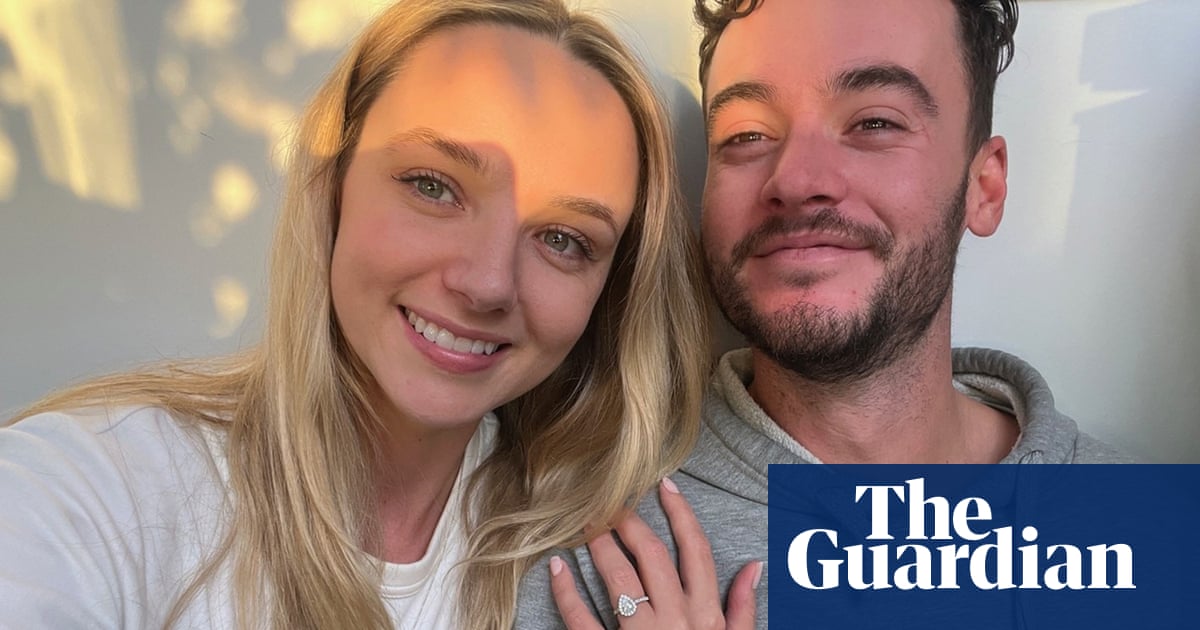
Warnecke, a nutritionist and wellness influencer, paid Lal $6,000 to support her throughout pregnancy and during labor. She died at Frankston Hospital in Melbourne after suffering a postpartum hemorrhage while giving birth at home with Lal present. The inquest, which began in June, was delayed pending the completion of a forensic examination of Warnecke’s mobile device. When hearings resumed, counsel assisting the coroner presented findings from that analysis, including messages from a WhatsApp group chat coordinated by Lal for women choosing to give birth without medical supervision.
The phone evidence challenges Lal’s earlier assertion that she was hired primarily to act as a friend rather than a medical advisor. According to Rachel Ellyard, counsel assisting the coroner, the records indicate Lal viewed her role as conditioning clients to resist seeking medical help during labor. In one recorded call played in court, Warnecke expressed fear of hospital settings, to which Lal responded that such fear was appropriate and necessary for maintaining a home birth plan. Lal emphasized that a client’s mindset must be solid to avoid what she characterized as the failure of seeking professional intervention.
Lal also reportedly suggested that midwives attending home births might inadvertently sabotage deliveries by recommending hospital transfers due to exhaustion or prolonged labor. She stated that she managed her own energy levels to avoid subconsciously undermining a client’s choice to remain at home. These comments stand in stark contrast to Lal’s prior testimony, in which she denied giving medical advice and claimed she only shared personal experiences from her own freebirths. She maintained that it was not her responsibility to ensure safety or call emergency services unless explicitly asked.
Counsel Ellyard argued that the evidence demonstrates Warnecke placed considerable trust in Lal as an expert who provided structured guidance, referrals, and commentary on supplements. This level of involvement is inconsistent with the role of a casual companion who merely offers physical comfort during labor. The phone records also suggest that Warnecke’s husband, Nathan, was reassured or indoctrinated into believing his role was limited to passive support, reinforcing the notion that whatever occurred during birth was acceptable within their chosen framework.
The discrepancy between Lal’s sworn testimony and the digital evidence has raised serious legal questions. Ellyard noted that it would be open to the coroner to find that Lal committed perjury by providing false evidence regarding her role and the nature of her interactions with Warnecke. A referral to the Office of Public Prosecutions could result in criminal charges related to the falsity of her statements. Lal had previously been granted a certificate of protection, ensuring her testimony could not be used against her in future proceedings, but she declined an invitation to return to court after the phone analysis was completed.
Birthkeepers operate outside the formal medical system and lack clinical training, distinguishing them from midwives or doctors who are bound by professional standards and regulatory oversight. The case highlights the risks associated with unregulated birth support services, particularly when attendants influence clients’ decisions regarding medical care. Warnecke’s death underscores the potential consequences of relying on individuals who may prioritize ideological adherence to freebirth principles over safety protocols.
As the inquest continues, the coroner must determine whether Lal’s actions and statements contributed to the circumstances surrounding Warnecke’s death. The possibility of a criminal referral adds a layer of complexity to the proceedings, shifting focus from civil inquiry to potential legal accountability. The outcome could set precedents for how untrained birth attendants are held responsible for their advice and influence on clients in similar situations.
The case also raises broader questions about consumer protection in alternative healthcare services. With no formal licensing or regulatory framework governing birthkeepers, individuals seeking non-medical support may lack recourse when things go wrong. The forensic evidence presented in this inquest provides a rare glimpse into the private communications between such attendants and their clients, revealing the extent to which they may shape expectations and behaviors around childbirth.
Further hearings are expected as the coroner evaluates all available evidence before making final findings. The potential referral to prosecutors could lead to additional legal proceedings against Lal, depending on the strength of the case presented by the Office of Public Prosecutions. For now, the focus remains on understanding the sequence of events that led to Warnecke’s death and determining whether any party bears responsibility for the outcome.
Sources behind this briefing
Go to the original reporting
- The Guardian World↗Birthkeeper who allegedly ‘groomed’ pregnant women to fear hospital could face criminal charges