The short version
- Luiz Inácio Lula da Silva defeated Flávio Bolsonaro in a runoff election, marking his fourth presidential win after an initial first-round loss.
- The victory preserves Brazil as the only major South American nation with left-wing leadership, countering a broader regional shift toward conservatism.
- Lula faces significant governance challenges including a right-leaning Congress, deep societal polarization, and potential diplomatic friction with the United States.
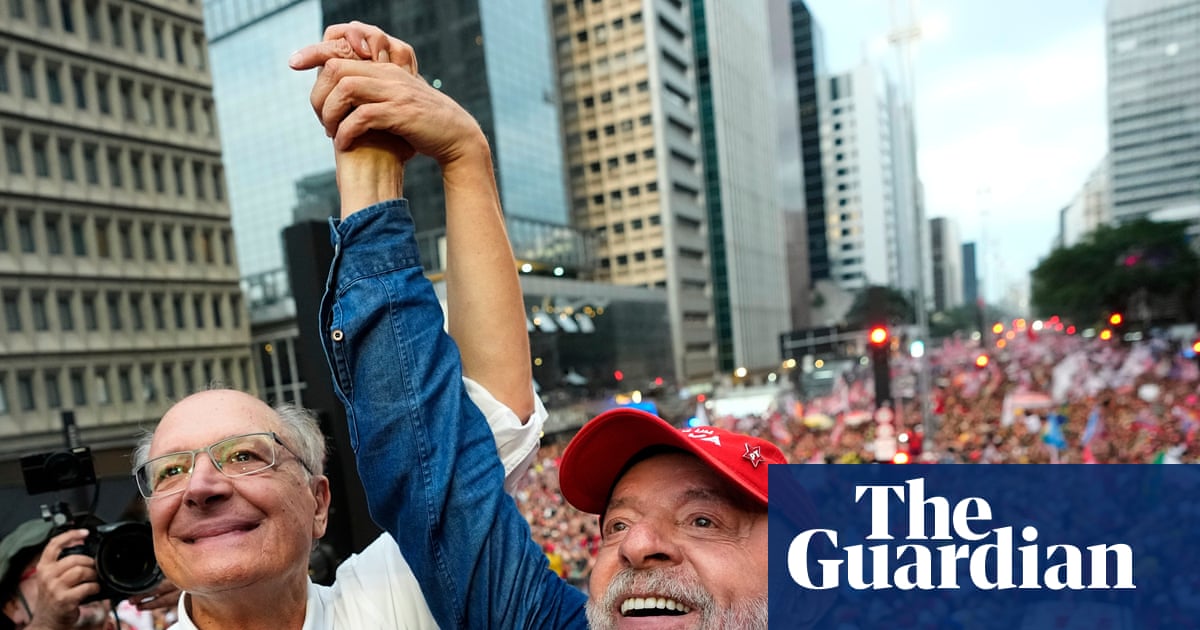
Luiz Inácio Lula da Silva has secured re-election as president of Brazil, defeating his right-wing opponent Flávio Bolsonaro in a tightly contested runoff. The result marks a dramatic reversal for the veteran politician, who had trailed Bolsonaro following the initial round of voting on October 4. Many observers considered a comeback unlikely within the three-week window before the final vote, yet Lula’s campaign successfully mobilized support through extensive street demonstrations and a coordinated digital strategy. This achievement represents his fourth electoral victory overall, adding to his previous terms in office from 2003 to 2010 and his current tenure beginning in January 2023.
The election outcome stands in stark contrast to the prevailing political trajectory across Latin America. In recent years, voters in major regional powers such as Argentina, Chile, and Colombia have increasingly favored conservative candidates, punishing incumbent administrations and shifting the ideological balance of the hemisphere. Brazil remains an outlier among large South American nations, retaining a left-leaning executive branch while its neighbors move rightward. This divergence underscores the unique domestic dynamics at play within Brazil’s electorate, where historical allegiances and grassroots mobilization continue to exert significant influence despite broader continental trends.
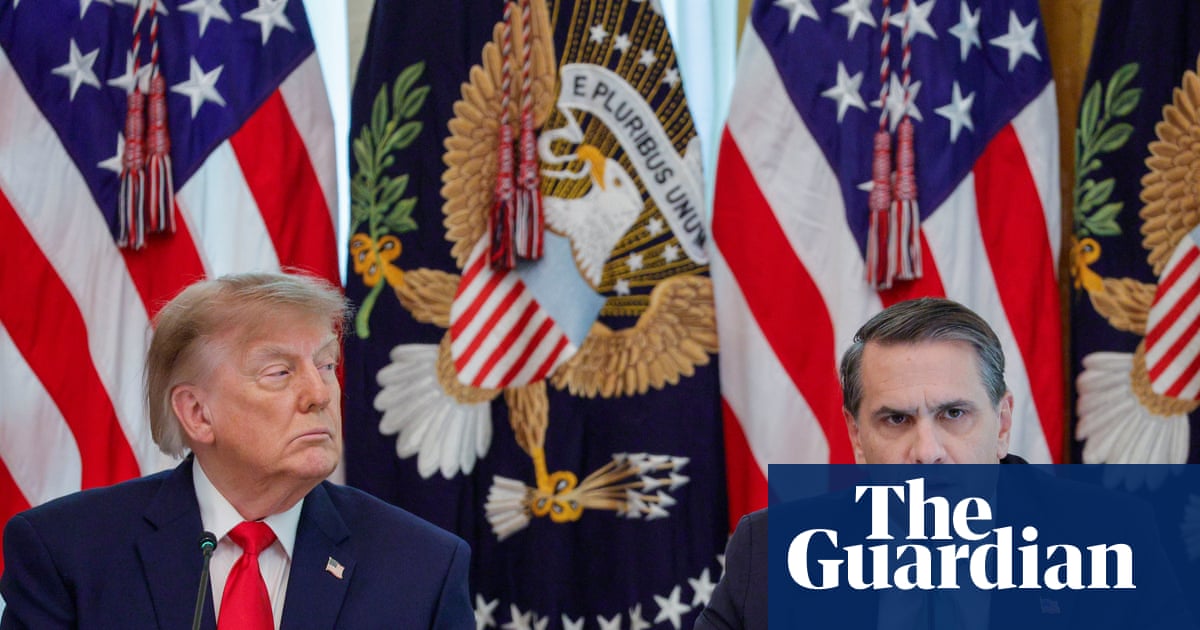
International implications of the result are already becoming apparent, particularly regarding relations with the United States. The White House has expressed a preference for conservative leadership in Latin America, viewing the region as a sphere of strategic influence where alignment on defense, security, and trade policies is prioritized. While President Donald Trump did not explicitly endorse Bolsonaro, his administration had supported right-wing candidates in other regional elections. The prospect of continued cooperation between Washington and Brasília may now face headwinds, given Lula’s historical skepticism toward US interventionism and his assertion that Brazil will not serve as a subordinate partner in any foreign power’s geopolitical strategy.
Geopolitical tensions are further complicated by Brazil’s economic ties with China. As the holder of the world’s second-largest reserves of rare earth minerals and a major oil producer, Brazil holds significant leverage in global supply chains. Lula’s administration has generally maintained friendly relations with Beijing, a stance that contrasts with the more Washington-aligned platform proposed by Bolsonaro. The US government has expressed concern over growing Chinese influence in the Western Hemisphere, making Brazil’s continued independence in foreign policy a point of potential contention. Lula’s victory ensures that this balancing act will remain a central feature of Brazilian diplomacy during his upcoming term.
Domestically, the political landscape presents formidable obstacles for the incoming administration. Although Lula won the presidency, the election results revealed a deeply divided electorate, with Bolsonaro securing more than 48 percent of the vote. This narrow margin reflects persistent polarization within Brazilian society. Compounding this challenge is the composition of the national legislature, which has become increasingly conservative. The Liberal Party, associated with Bolsonaro’s political faction, achieved substantial gains in congressional seats, creating a legislative environment that may resist Lula’s policy agenda. Governing effectively will require navigating these institutional constraints while attempting to unify a fractured populace.
Environmental policy remains a critical area of concern for both domestic and international stakeholders. During the presidency of Jair Bolsonaro, Flávio’s father, deforestation rates in the Amazon rainforest reached record highs, accompanied by widespread forest fires that drew global criticism. Environmental advocates had feared that a victory for Flávio Bolsonaro would empower agribusiness and mining interests to further relax regulatory protections. Lula’s return to power offers reassurance to conservation groups, who view his administration as more likely to enforce environmental safeguards. However, the extent to which he can implement these policies will depend on his ability to overcome legislative opposition and manage competing economic interests.
Lula has framed this election as a pivotal moment for Brazil, describing it as a turning point that will fundamentally alter the nation’s trajectory. In communications with supporters, he emphasized a commitment to social justice and equitable opportunity, promising a new approach to governance that bridges political divides. Yet, specific details regarding how this vision will be operationalized remain vague. The challenge of translating broad rhetorical commitments into concrete legislative action will be substantial, particularly given the hostile congressional majority and the entrenched nature of Brazil’s political factions.
The upcoming term, scheduled to begin on January 5, 2027, will test Lula’s capacity to lead at an advanced age. He will be 85 years old by the conclusion of this fourth presidency, raising questions about stamina and long-term strategic planning. Despite these personal factors, his campaign demonstrated robust grassroots support, evidenced by large-scale rallies organized ahead of the runoff. This mobilization suggests that while institutional power may be fragmented, popular backing for his platform remains strong. The coming months will reveal whether this support can translate into effective governance amidst significant structural and political headwinds.
As Brazil prepares for the transition, the focus shifts to how Lula’s administration will navigate the complex interplay between domestic polarization and international expectations. The need to balance economic development with environmental stewardship, while maintaining diplomatic autonomy from both Washington and Beijing, defines the central dilemma of his tenure. Success will depend not only on legislative maneuvering but also on sustaining the momentum generated by his electoral comeback. The coming year will be critical in determining whether Lula can deliver on his promises of unity and justice in a country that remains sharply divided along ideological lines.
Sources behind this briefing
Go to the original reporting
- BBC News↗Lula wins fourth term in Brazil but faces hostile Congress and divided country