The short version
- Luiz Inácio Lula da Silva won 51.75 percent of the vote in a historic comeback against Flávio Bolsonaro.
- The victory marks the first time since the return of democracy that a runner-up from the initial round secured power in the runoff.
- Increased voter turnout among Lula’s base and reduced abstention rates were critical factors in reversing the earlier deficit.
Brazilian President Luiz Inácio Lula da Silva has claimed a fourth term in office, defeating his far-right opponent Flávio Bolsonaro in a runoff election that defied established political precedents. The eighty-year-old incumbent secured approximately fifty-two percent of the vote, overturning a narrow loss he suffered three weeks prior during the first round of voting. This outcome represents an unprecedented reversal in Brazilian electoral history, as no candidate who finished second in the initial ballot has ever won the subsequent runoff since the nation returned to democratic governance in the nineteen eighties.
The margin of victory was decisive yet close, with Lula receiving fifty-one point seven five percent of the counted ballots compared to Bolsonaro’s forty-eight point two five percent. This result translates to a lead of roughly four million votes, a stark contrast to the deficit of two point two million votes that had cast doubt on his political future earlier in October. The shift occurred despite the intense scrutiny and bitter contestation that characterized the final weeks of the campaign, which saw both sides mobilize significant resources and public support.
Analysts and allies attribute the turnaround largely to changes in voter participation patterns. During the first round, abstention rates reached a record high of twenty-one percent, disproportionately affecting Lula’s traditional base, who often reside in areas farther from polling stations. In the second round, however, that rate dropped to nineteen point two one percent. This increase in turnout among progressive voters appears to have been the decisive factor, allowing the incumbent to close the gap and ultimately secure a majority.
The victory carries significant implications for the Bolsonaro family, who had hoped Flávio’s win would facilitate the release of Jair Bolsonaro from prison. The former president is currently serving a twenty-seven-year sentence for his role in plotting a coup attempt. With Flávio’s defeat, those prospects have dimmed considerably. Reactions in Brasília were marked by anger and confusion among supporters of the defeated candidate, who had been monitoring the count under house arrest conditions.
Internationally, the result disrupts broader geopolitical alignments in Latin America. The United States administration had viewed a Bolsonaro victory as part of a growing trend of pro-American leadership across the region, which includes figures such as Javier Milei in Argentina and Daniel Noboa in Ecuador. Lula’s return to power challenges this narrative, reinforcing a more independent or left-leaning stance for Brazil on the global stage. This shift may influence regional cooperation and diplomatic relations in the coming years.
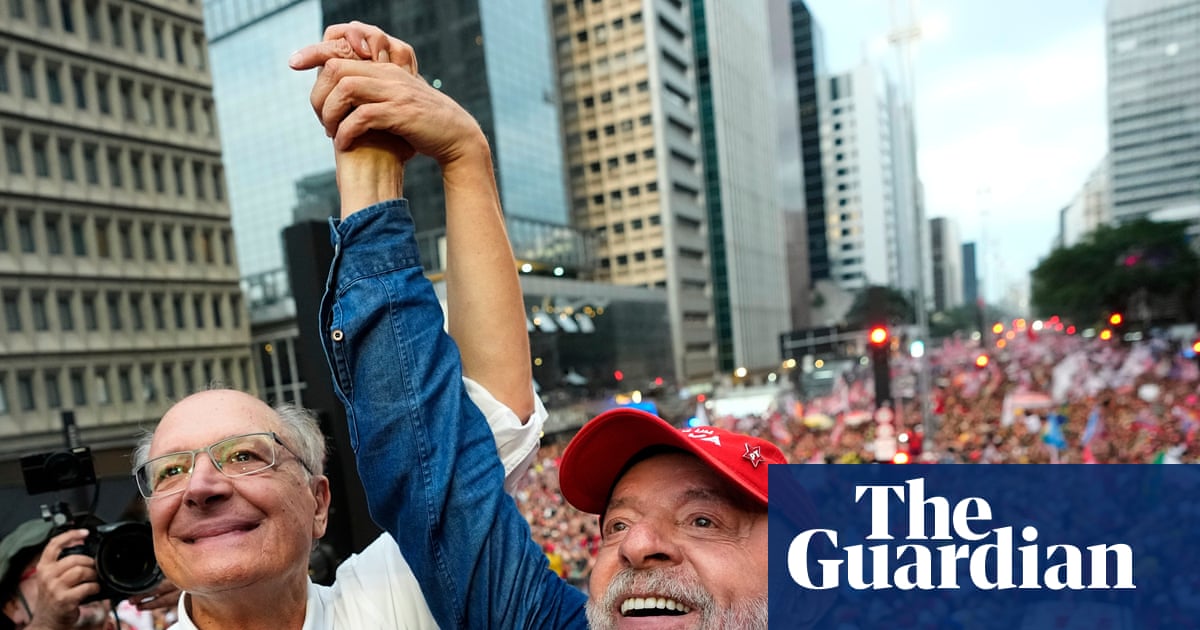
Public reaction to the results was immediate and celebratory among Lula’s supporters. Large crowds gathered in São Paulo and Rio de Janeiro, where rallies had been held in the days leading up to the vote. On Copacabana Beach and Paulista Avenue, demonstrators expressed relief and joy as the final tallies were confirmed. Many attendees cited a renewed sense of democratic resilience, viewing the outcome as a rejection of extremist politics and a validation of their sustained mobilization efforts.
The campaign period was not without controversy, with allegations emerging that pro-Bolsonaro actors attempted to disrupt voting in areas favorable to Lula by sabotaging public transportation systems. While these claims sparked anger among voters who felt targeted, the electoral process ultimately proceeded without major disruption. The failure of such tactics to alter the outcome underscores the robustness of the voting infrastructure despite the heightened tensions.
Lula’s political journey spans decades, beginning with his emergence as a union leader in São Paulo’s industrial suburbs during the late nineteen seventies. After three unsuccessful presidential bids in the nineteen eighties and nineties, he became Brazil’s first working-class president in two thousand two. His return to power in twenty twenty two followed a contentious election against Jair Bolsonaro, setting the stage for this latest chapter. At eighty years old, this victory marks the culmination of a long and storied career defined by both triumphs and significant setbacks.
Looking ahead, the new term will likely focus on consolidating democratic institutions and addressing the social divisions that have characterized recent Brazilian politics. The narrow margin suggests that political polarization remains deep-seated, requiring careful navigation by the administration. As the country moves forward, the emphasis will be on stabilizing governance and implementing policies that reflect the will of the electorate while managing the ongoing influence of opposition forces.
The election results also highlight the evolving nature of Brazilian politics, where traditional alliances are being tested and redefined. The ability of Lula to mobilize support after a first-round loss demonstrates the dynamic potential of voter engagement in close contests. This precedent may influence future electoral strategies across the political spectrum, emphasizing the importance of turnout and grassroots organization in determining outcomes.
Sources behind this briefing
Go to the original reporting
- NPR↗Brazil's left-wing President Lula elected for fourth term
- The Guardian World↗Lula wins fourth term as Brazil president after historic upset over far-right Flávio Bolsonaro