The short version
- President Luiz Inácio Lula da Silva announced he now supports reducing the age of criminal responsibility to sixteen for serious offenses, marking a sharp departure from his previous policy stance.
- The reversal occurs less than two weeks before the presidential runoff, as Lula trails Senator Flávio Bolsonaro by approximately 2.2 million votes following the first round of voting.
- Human rights groups and religious leaders warn that lowering the age threshold fails to address root causes of violence and may exacerbate cycles of incarceration and organized crime recruitment.
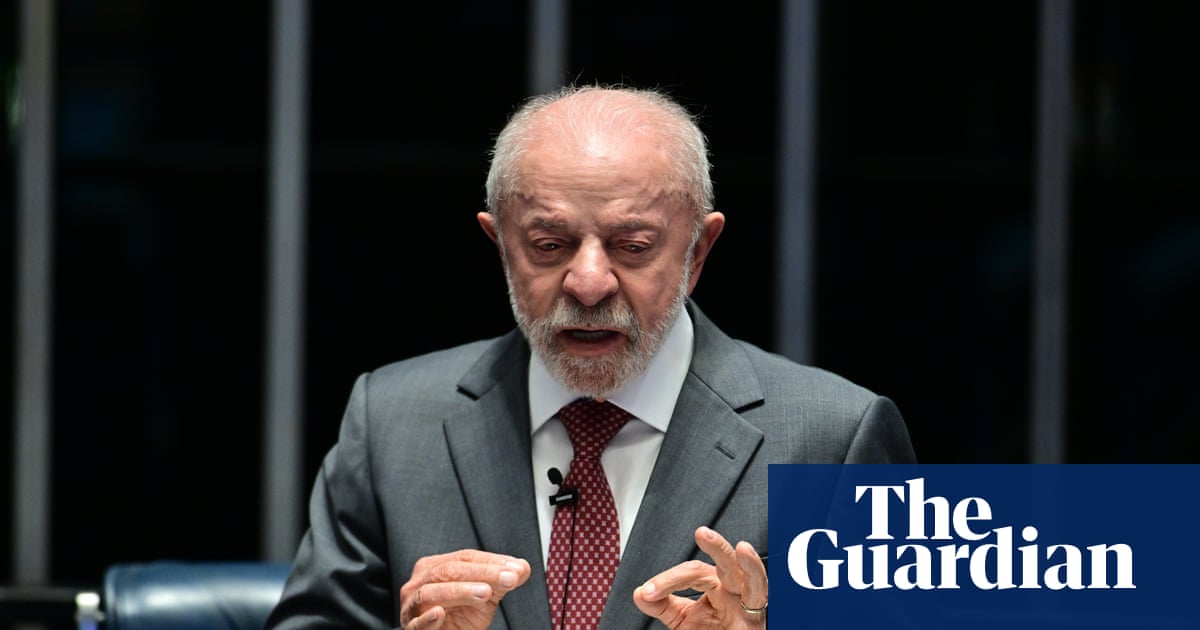
In a significant policy shift announced during a Thursday night television interview, Brazilian President Luiz Inácio Lula da Silva stated he now supports lowering the age of criminal responsibility from eighteen to sixteen for individuals accused of heinous crimes. This declaration represents a complete reversal of his longstanding position and that of his political party, which has historically opposed such measures. The announcement comes at a critical juncture in the nation’s electoral cycle, with the presidential runoff scheduled for just over a week away.
Lula’s change in stance appears driven by intense pressure from public opinion polls indicating widespread support for stricter juvenile justice measures. Recent data suggests that approximately eighty percent of the Brazilian population favors reducing the age threshold. During the broadcast, when asked specifically if he meant lowering the limit to sixteen, Lula confirmed his position, citing his perspective as a citizen rather than solely as a political figure. He emphasized that this view applies to all categories of severe offenses defined under current law.
The incumbent faces a challenging path to victory in the upcoming runoff. Senator Flávio Bolsonaro, representing the far-right, secured a substantial lead in the first round, outpacing Lula by roughly 2.2 million votes. Both Bolsonaro and his father, former President Jair Bolsonaro, have long advocated for even more drastic reductions, proposing an age of fourteen rather than sixteen. Lula’s pivot is widely interpreted by political analysts as a strategic maneuver to capture undecided voters and independents who may be swayed by the issue of public security.
Under Brazilian law, the category of heinous crimes is broad and includes offenses such as murder, rape, drug trafficking, and the falsification of medicines. The implications of this policy shift are substantial given the current state of the prison system. Approximately 816,000 individuals are currently serving sentences in Brazil, with about a quarter incarcerated for drug-related offenses. Critics argue that expanding the net of criminal liability to younger adolescents could further strain an already overcrowded correctional infrastructure.
Human rights organizations and security experts have consistently opposed proposals to lower the age of criminal responsibility. They contend that such measures do little to reduce overall violence rates while potentially increasing recruitment into organized crime networks. The argument posits that early exposure to the prison system undermines rehabilitation efforts and deepens cycles of exclusion and violence among vulnerable youth populations.
Religious institutions have also voiced strong objections to the proposed change. The Episcopal Conference of Brazil, representing Catholic bishops, criticized the initiative for failing to address the underlying socioeconomic causes of violence. The organization warned that placing young people prematurely into the prison system tends to hinder their reintegration into society and exacerbates social marginalization.
Political commentators have noted the dramatic nature of Lula’s transformation on this issue. Columnist Josias de Souza described the shift as an extraordinary reversal, suggesting that Lula has effectively inverted his previous stance on public security. This move follows a series of last-minute policy concessions by the incumbent, including securing congressional approval for a shorter working week and promising debt relief for microentrepreneurs.
The broader context of this electoral strategy involves a scramble to overturn the momentum gained by Bolsonaro’s campaign. Lula has attempted to appeal to various voter segments through a combination of economic incentives and security-related promises. The effectiveness of these measures remains uncertain as the final days of the campaign unfold, with both candidates vying for the support of voters who have yet to make a definitive choice.
As the runoff approaches, the debate over juvenile justice has become a central fault line in Brazilian politics. While Lula’s reversal may resonate with a majority of the electorate, it risks alienating segments of his base that value progressive social policies. The coming week will likely see intensified scrutiny of this policy shift and its potential long-term consequences for Brazil’s legal and social systems.
Observers remain divided on whether this tactical adjustment will be sufficient to close the gap with Senator Bolsonaro. The intersection of public safety concerns, electoral strategy, and human rights considerations creates a complex landscape for the final phase of the campaign. Voters are left to weigh the immediate appeal of tougher penalties against the broader implications for youth rehabilitation and social justice.
Sources behind this briefing
Go to the original reporting
- The Guardian World↗Brazil’s Lula says he now backs lowering age of criminal responsibility to 16