The short version
- Ukraine has resumed strikes on Russian oil refineries, rejecting a ceasefire arrangement proposed by US President Donald Trump.
- President Trump criticized the strikes as a 'disgrace' and expressed frustration with Ukrainian President Volodymyr Zelenskyy, complicating US-Ukraine relations.
- European leaders have rallied behind Ukraine, emphasizing continued support despite growing doubts about long-term US commitment.
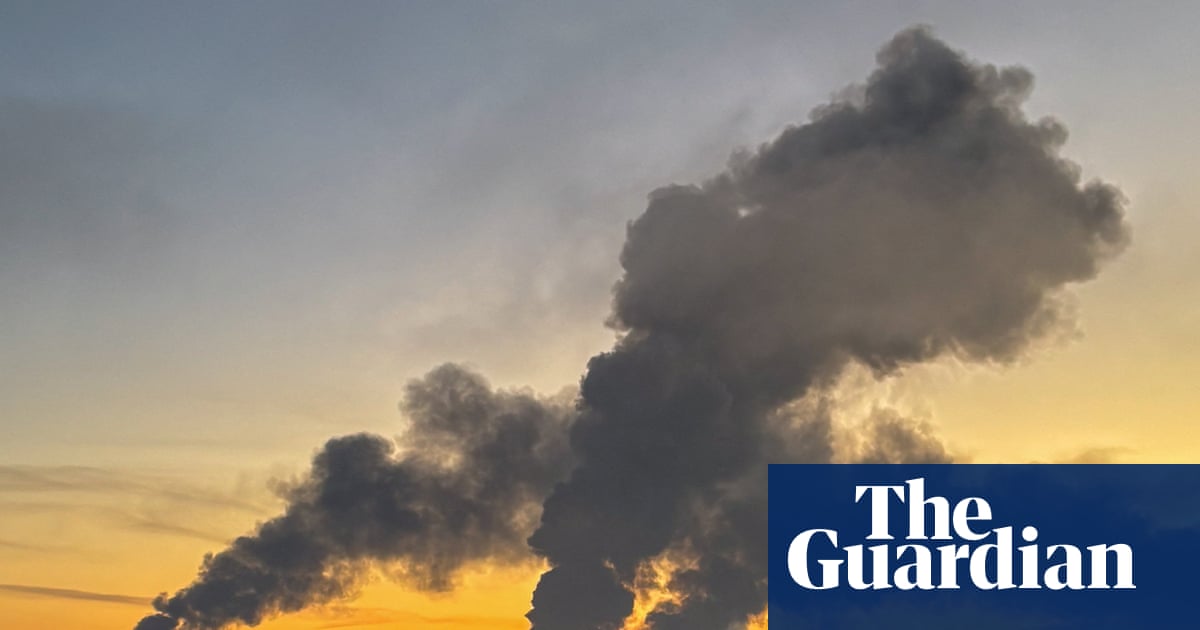
Ukraine has officially resumed military strikes on Russian oil refineries, marking a significant escalation in the conflict and a direct rejection of a recently proposed energy ceasefire. The decision comes after Ukrainian President Volodymyr Zelenskyy announced that Kyiv was abandoning the truce, which had been abruptly declared by US President Donald Trump last week. Neither Russia nor Ukraine had formally agreed to the ceasefire, leading to its collapse.
President Trump responded sharply to Ukraine’s actions, calling the renewed strikes a 'disgrace' in an interview with Newsmax. He argued that targeting diesel refineries drives up global oil prices, stating, 'All he’s doing is making the world oil price higher.' Trump also criticized Zelenskyy personally, saying he finds the Ukrainian leader 'more difficult to deal with than Putin,' highlighting a deepening rift between Washington and Kyiv.
The diplomatic tension stems from Trump’s recent easing of sanctions on Russia in exchange for Moscow releasing large amounts of diesel onto global markets. This move was widely interpreted as an attempt to curb high fuel prices ahead of the US midterm elections. Zelenskyy strongly opposed the agreement, arguing that it would allow Russia to continue its full-scale invasion of Ukraine, which began more than four and a half years ago. He viewed the sanctions relief as undermining Ukraine’s defense capabilities.
Relations between the two nations have further deteriorated following reports that Starlink services, crucial for Ukrainian drone operations and air defenses, were restricted. Zelenskyy described the sudden limitation of satellite communications as a personal betrayal by Trump, lamenting the loss of a key partner. British Defence Secretary Wes Streeting confirmed that US officials had assured him the system was restored, though the cause of the disruption remains unclear.
Amid these strains, European leaders have moved to bolster their support for Ukraine. During a visit to London and Brussels, Zelenskyy met with NATO chief Mark Rutte and held bilateral meetings with various European heads of state. French President Emmanuel Macron emphasized that it is 'crucial' for Ukraine to receive all necessary means to protect itself, while Polish Prime Minister Donald Tusk posted a message reassuring Ukrainian friends that they are not alone.
The resumption of strikes on refineries represents a strategic shift for Ukraine, aiming to degrade Russia’s war-fighting capacity by targeting its energy infrastructure. However, this move risks further alienating the United States, which has been a primary source of military and financial aid. The lack of progress in US-led peace efforts under Trump has left Kyiv feeling increasingly isolated in its diplomatic endeavors.
Global energy markets are likely to feel the impact of these renewed strikes. Disruptions to Russian oil refining capacity can lead to volatility in fuel prices, affecting consumers and industries worldwide. Trump’s criticism suggests that the US administration is prioritizing economic stability over military pressure on Russia, a stance that contrasts with Ukraine’s urgent need for defensive advantages.
The incident highlights the complex dynamics of international alliances during prolonged conflicts. While Europe remains steadfast in its support for Ukraine, the shifting priorities of the United States create uncertainty about the long-term viability of Western aid packages. Zelenskyy’s defiance underscores Kyiv’s determination to pursue its own strategic interests despite diplomatic friction.
As the situation develops, it remains unclear how Trump will respond to Ukraine’s actions beyond his public criticism. Whether this leads to a reduction in US military assistance or further diplomatic isolation is yet to be determined. Meanwhile, European nations are stepping up their commitments to ensure Ukraine can sustain its defense efforts.
The collapse of the energy ceasefire signals a new phase in the war, characterized by increased aggression from Ukraine and heightened tensions with Washington. The coming weeks will likely reveal whether this shift alters the trajectory of the conflict or merely deepens existing divisions among allies.
Sources behind this briefing
Go to the original reporting
- The Guardian World↗Trump calls Ukraine’s resumption of strikes on Russian oil refineries a ‘disgrace’
- Financial Times↗Zelenskyy defies Trump as Ukraine resumes strikes on Russian refineries
- NBC News↗‘We’re done’: Ukraine resumes strikes on Russian oil refineries as anger at Trump mounts