The short version
- Reports indicate Chancellor John Healey plans to approve a business rate retention zone to fund the upgrade of Stratford International station.
- The project aims to convert the facility into a hub for international rail services, potentially handling one in three trains traveling between London and France.
- Virgin Trains is preparing to launch competing cross-Channel services by 2030, while other operators seek access to the newly developed infrastructure.
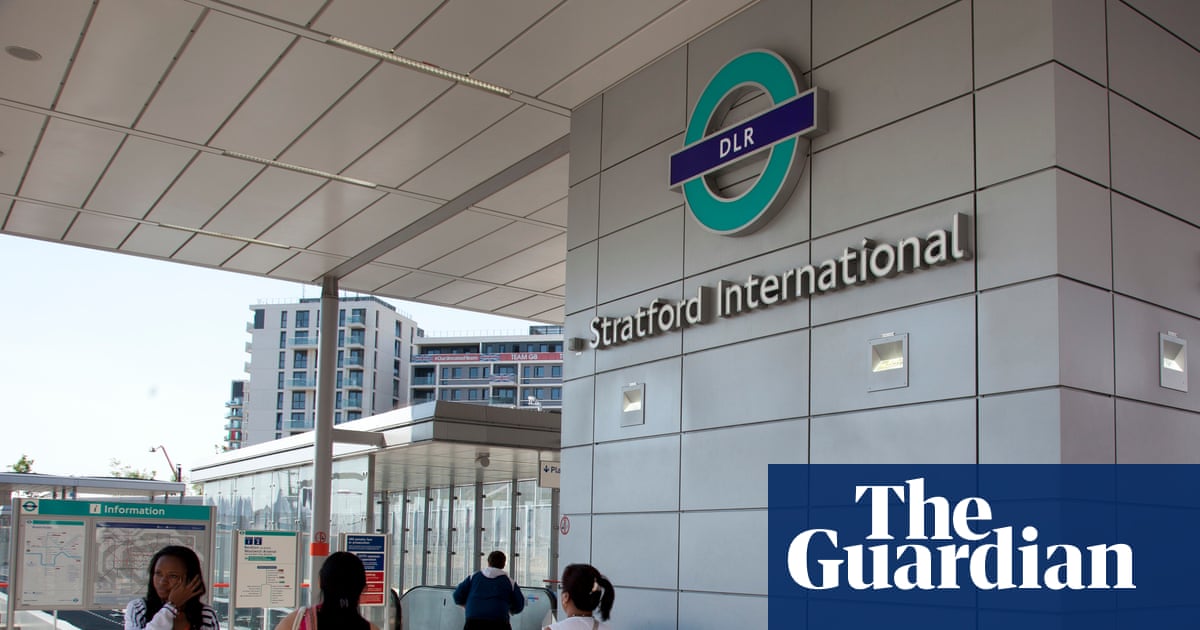
Stratford International station in east London is poised to receive critical financial support that could finally realize its original design purpose as a hub for international rail travel. According to recent reports, the upcoming budget will include provisions allowing the site to host cross-Channel services, a development long advocated by London Mayor Sadiq Khan. This move marks a significant shift in the station’s operational history, transitioning it from a facility serving only domestic routes to a potential gateway for European connections.
The proposed funding mechanism involves the creation of a business rate retention zone. Under this arrangement, local authorities would retain all growth in business rates collected within the area, rather than sharing half with central government as is currently standard. This fiscal tool is intended to directly finance the regeneration and necessary upgrades at Stratford International. The Financial Times reported that Chancellor John Healey is planning to greenlight this specific proposal, providing a clear pathway for the capital investment required.
Transforming the station into an international terminal requires substantial physical modifications. The current infrastructure consists of two platforms designed primarily for domestic traffic, including services to central London and Kent. To accommodate international passengers, the site needs a dedicated border post, security screening areas, check-in zones, and expanded waiting facilities. Estimates suggest these upgrades will cost approximately £20 million. The work would also involve reopening sections of the station that have been mothballed since its inception.
Stratford International opened in late 2009 with the explicit intention of handling Eurostar trains, but those plans were never fully executed. While Eurostar services currently pass through the area on their way to and from St Pancras International, they do not stop at Stratford. The new initiative aims to correct this oversight, allowing the station to live up to its name. Mayor Khan has argued that unlocking the station’s potential will create jobs, stimulate investment, and boost tourism in one of the UK’s fastest-growing economic centers.
The push for rail expansion is also framed as an environmental alternative to airport growth. Khan has recently contended that improving Stratford International offers a more sustainable solution than expanding Heathrow Airport with a third runway. By enhancing rail capacity, the government and local authorities hope to reduce carbon emissions associated with short-haul flights while meeting the growing demand for international travel. This strategy aligns with broader efforts to decarbonize transport networks across the United Kingdom.
Commercial interest in the upgraded station is already materializing. Virgin Trains has been granted access by the rail regulator to both the track and Eurostar’s nearby Temple Mills depot. The operator plans to launch direct rail services from London to the continent in 2030, which would introduce competition to Eurostar for the first time since the Channel Tunnel opened. A spokesperson for the Virgin Group indicated they are actively exploring additional stops, including Stratford International, beyond their initial launch plans.
Other operators are also positioning themselves to utilize the new infrastructure. Gemini Trains, chaired by Labour peer Tony Berkeley, has expressed interest in running services to France, Belgium, and Germany from Stratford. However, unlike Virgin, Gemini has not yet secured access to the necessary depot or track facilities. The station’s location near the Queen Elizabeth Olympic Park makes it a strategic node for connecting London to the Midlands and northern England, potentially serving as a hub for continental rail services destined for those regions.
The timeline for these changes remains tied to the budget announcement expected next week. If approved, the project would represent a major step in reshaping London’s transport landscape. It would not only enhance connectivity for east London residents but also provide a new option for travelers seeking alternatives to air travel or the existing Eurostar route. The success of the initiative will depend on the speed of construction and the ability of operators to secure the remaining regulatory approvals needed to begin service.
Sources behind this briefing
Go to the original reporting
- The Guardian World↗Stratford International finally to have international trains in budget boost