The short version
- Hammersmith and Fulham council may raise taxes by up to 150 percent to cover losses from reduced central government grants.
- The proposed increase stems from a national funding review that redirects money from affluent areas to those deemed more deprived.
- Local officials argue the formula ignores their history of cost-cutting and recent economic investment successes.
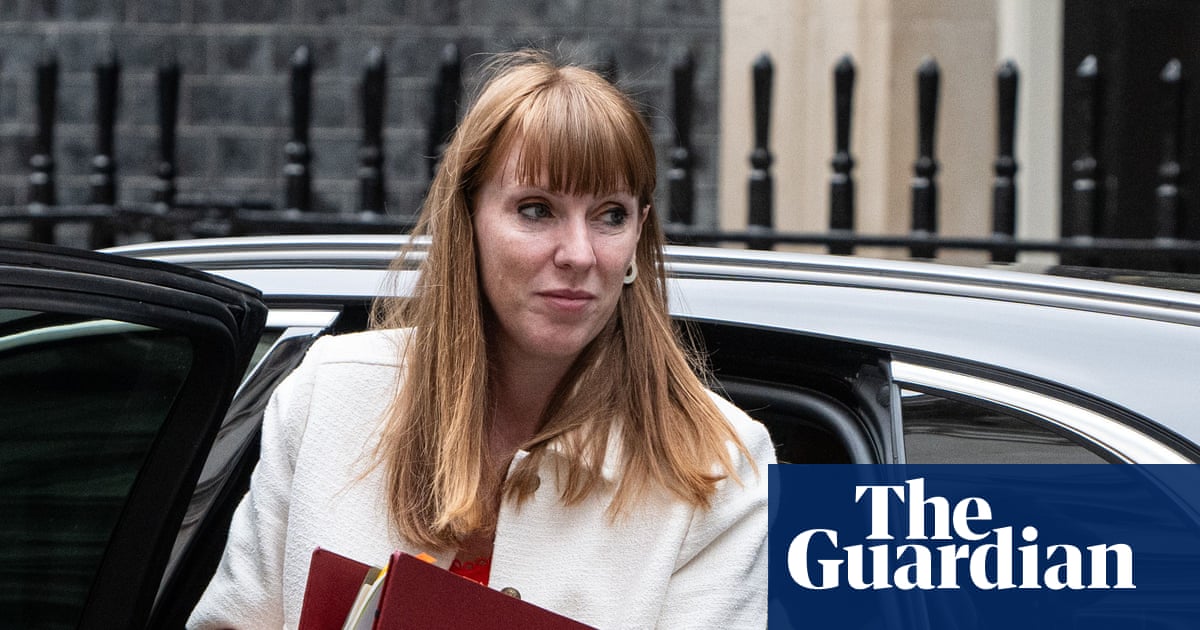
A prominent Labour-controlled local authority in west London has issued a stark warning regarding its financial future, indicating that it may need to impose a dramatic increase on local residents to sustain essential public services. Hammersmith and Fulham council officials have concluded that the current trajectory of central government funding requires drastic measures, potentially including a 150 percent rise in council tax contributions for households within the borough.
The proposed hike represents a significant shift in local taxation policy. For a typical household in Band D, which currently pays approximately £1,519 annually including the Greater London Authority surcharge, a 150 percent increase would add roughly £29.11 per week to their bills for the 2027/28 fiscal year. This adjustment is designed to offset substantial reductions in government grants that the council anticipates over the next four years.
The financial pressure arises from a new funding settlement introduced by the central government, often referred to as the 'fair funding' review. This policy aims to redistribute resources from historically affluent areas to localities that have suffered most from previous austerity measures. Under this framework, Hammersmith and Fulham is set to lose more than half of its current government grant, dropping from £150.5 million in 2025/26 to an estimated £72.4 million.
Ministers have defended the restructuring by arguing that it corrects historical imbalances where some local authorities maintained low tax rates while receiving disproportionate state support. The goal is to align local billing with national averages, ensuring that funding better reflects the specific needs and economic realities of different regions. Several other London boroughs, including Westminster and Kensington and Chelsea, have also been granted powers to exceed the standard 5 percent cap on tax increases to manage similar budgetary constraints.
Internal reports from Hammersmith and Fulham outline various scenarios for addressing the impending shortfall. A 100 percent increase in the council's portion of the tax would still leave a deficit of £46.1 million, while a 125 percent rise would reduce that gap to £20.6 million. Only the maximum 150 percent increase appears sufficient to broadly balance the budget under current assumptions, according to documents reviewed by local officials.
Local councillors have pushed back against the characterization of their borough as an area that does not require significant state support. They argue that the council has maintained low tax bills through rigorous cost-cutting measures despite managing a population with notable areas of deprivation. Officials point to the 'Upstream London' economic strategy, which they claim has attracted over £6 billion in investment and created more than 17,000 jobs, as evidence of their effective local management.
The controversy highlights broader tensions regarding how deprivation and need are measured within the new funding formula. Critics, including Conservative leaders from neighboring affluent boroughs, have urged a reconsideration of the proposals, suggesting that flawed metrics could undermine the government's stated aim of directing funds to where they are most needed. These concerns were formally raised in correspondence with senior government officials earlier this year.
The Ministry of Housing, Communities and Local Government has maintained that local authorities retain autonomy over their tax-setting decisions but should prioritize taxpayer interests. Officials noted that over £78 billion is available for council finances next year, with the majority of funds unringfenced to allow local leaders flexibility in spending. However, the disparity between central funding reductions and local service demands continues to create significant uncertainty for residents in affected London boroughs.
Sources behind this briefing
Go to the original reporting
- The Guardian World↗London Labour council warns it may raise council tax by 150%