The short version
- The election outcome may shift Brazil from a center of regional autonomy to a key ally in US-led anti-drug and resource initiatives.
- Flávio Bolsonaro seeks to join the Shield of the Americas, while Lula criticizes the coalition as undermining sovereignty.
- A runoff is likely given current polling ties, with implications for democratic norms due to Jair Bolsonaro’s legal status.
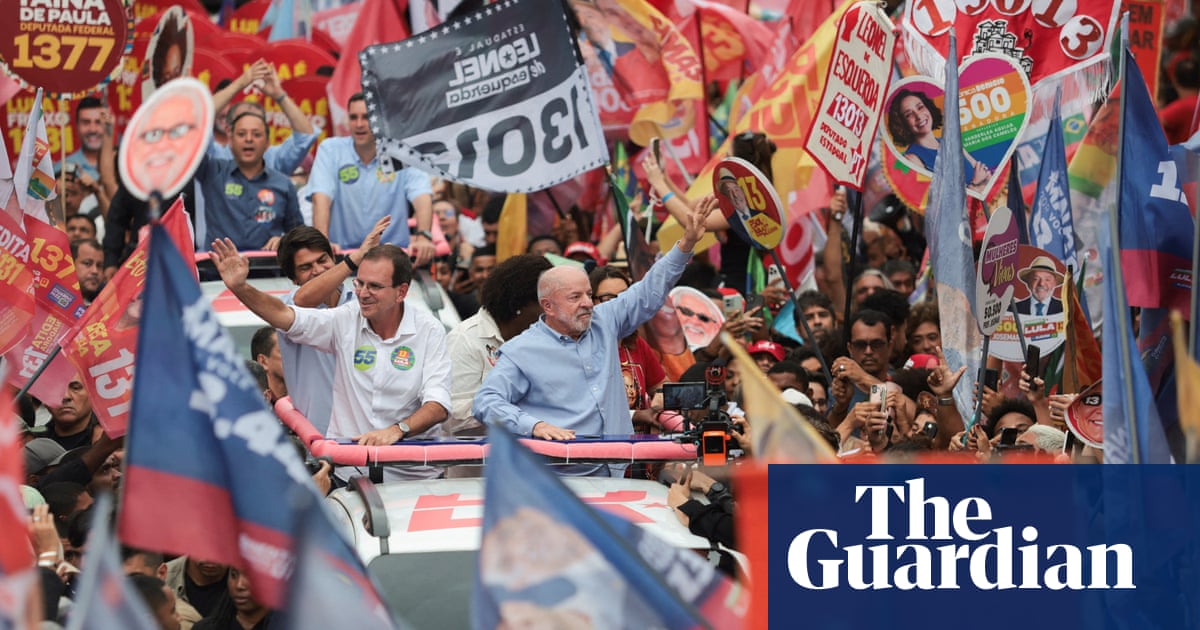
Brazilians are heading to the polls in a presidential contest that analysts view as a critical test for political autonomy across Latin America. The race pits incumbent Luiz Inácio Lula da Silva against Flávio Bolsonaro, a far-right senator and son of former president Jair Bolsonaro. With Mexico’s left-leaning government already established and other regional nations under right-wing leadership, Brazil stands as one of the last major economies capable of resisting full alignment with United States foreign policy directives.
The geopolitical stakes extend beyond domestic governance. Donald Trump has recently highlighted a coalition known as the Shield of the Americas, comprising fifteen nations governed by right or far-right leaders. This group focuses on combating drug cartels through military cooperation and shared security strategies. Recent US actions, including the removal of Venezuelan leader Nicolás Maduro, have further consolidated this bloc. A victory for Flávio Bolsonaro would likely integrate Brazil into this framework, significantly reducing the number of left-leaning governments in the hemisphere.
Polling data indicates a highly competitive election, with neither candidate holding a decisive lead. The closeness of the race suggests that a runoff may be necessary on October 25 if no candidate secures an absolute majority. This uncertainty has heightened tensions, particularly regarding allegations of foreign interference. Lula and some Democratic members of the US Congress have accused Washington of attempting to influence the outcome in favor of Bolsonaro, though such claims remain contested.
Foreign policy divergence between the two candidates is stark. Flávio Bolsonaro has pledged to adopt an aggressive stance on crime and join the Shield of the Americas, aligning with Trump’s vision for regional security. In contrast, Lula has expressed concern over sovereignty issues, criticizing what he describes as an inferiority complex among Latin American leaders who participate in US-led initiatives. He has also raised objections to the militarized approach to drug enforcement, which has resulted in numerous casualties.
Economic considerations play a significant role in the broader geopolitical context. The United States has sought access to Brazil’s rare earth minerals and critical resources as part of efforts to reduce dependence on China. Lula rejected previous US demands linking tariff relief to resource access, viewing them as coercive. Bolsonaro, however, has framed these natural resources as a solution to American supply chain vulnerabilities, offering them in exchange for stronger bilateral ties.
The personal dynamics between the candidates and their international counterparts add another layer of complexity. Relations between Lula and Trump have fluctuated between periods of silence and public cordiality but are currently strained. Meanwhile, Flávio Bolsonaro runs with the implicit support of his father’s political base, despite Jair Bolsonaro being under house arrest following a conviction for attempting to overturn the 2022 election results. This legal status raises questions about democratic integrity within the far-right movement.
Experts warn that a Bolsonaro victory could signal a broader shift in regional politics. Michael Shifter of Georgetown University noted that such an outcome would allow Trump to claim success in creating a nearly unified conservative bloc in the Americas. This alignment would contrast sharply with ongoing US challenges in other global conflicts, potentially redirecting diplomatic focus toward Latin America. Conversely, a Lula win would preserve a counterweight to US influence, maintaining space for independent regional decision-making.
The election also reflects deeper ideological divides regarding democracy and governance. While both candidates operate within the formal structures of Brazilian politics, Bolsonaro’s association with his father’s anti-democratic actions complicates the narrative. Critics argue that supporting Flávio Bolsonaro amounts to endorsing a political movement with problematic ties to authoritarianism. Supporters, however, view him as a legitimate representative of conservative values and national security priorities.
As voting proceeds, observers are watching not just for the winner but for signals about future regional cooperation. The outcome will influence how Latin American nations engage with both Washington and Beijing, particularly regarding trade and security partnerships. It will also set precedents for how domestic political conflicts intersect with international alliances in an increasingly polarized global environment.
In the immediate aftermath, regardless of the result, Brazil will face pressure to define its role in a hemisphere reshaped by recent electoral trends. Whether through continued resistance or new alignment, the decisions made in this election will ripple across diplomatic channels, affecting everything from drug policy enforcement to resource extraction agreements. The coming weeks will reveal whether Latin America’s political landscape continues to fragment along ideological lines or finds new avenues for collective autonomy.
Sources behind this briefing
Go to the original reporting
- The Guardian World↗Brazil’s neck-and-neck election offers test for growing pro-Trump Latin American bloc