The short version
- Lidl GB reported annual sales exceeding £13 billion, marking a ten percent increase that propelled it past Morrisons in market share for the first time.
- Pre-tax profits rose thirty percent to £245.5 million, supported by significant investment in price reductions and strong performance from the retailer’s Deluxe premium range.
- Competitive dynamics are shifting as traditional supermarkets use loyalty programs to counter discounters, while Aldi continues to reject such schemes despite industry pressure.
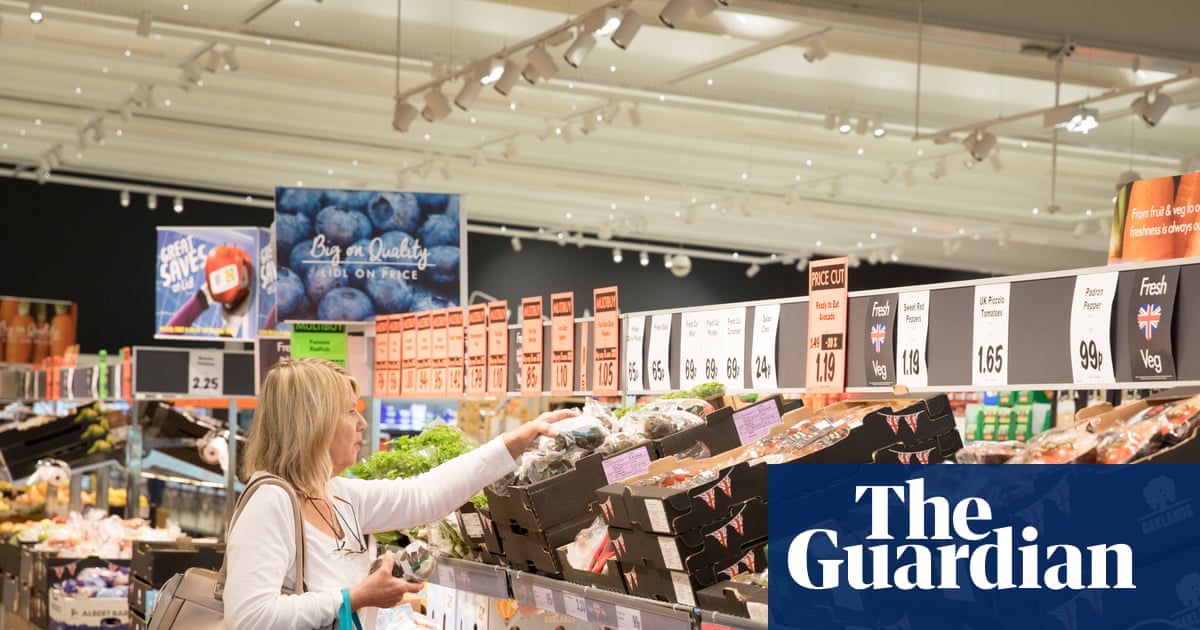
Lidl has overtaken Morrisons to secure its position as the fifth-largest grocery retailer in Great Britain, a milestone that underscores the accelerating shift in consumer spending toward discount supermarkets. The German-owned chain reported that its sales in the region jumped by more than ten percent this year, reaching over £13 billion. This growth occurred against a backdrop of persistent food inflation, with in-store prices rising at an annual rate of 1.5% in August, up from 0.9% the previous month. Fresh produce inflation remained particularly elevated at 3%, prompting shoppers to seek out more affordable options for meat, fruit, and vegetables.
Financial performance at Lidl’s British arm reflected this increased footfall and basket size. Pre-tax profit grew by thirty percent to £245.5 million in the year ending in February, a significant increase from £156.8 million in the prior year. The retailer attributed much of this success to strategic price reductions and promotional activities. Lidl stated it had invested £315 million into lowering prices and running promotions, including its weekly featured product deals. These efforts appear to have resonated with consumers who are increasingly sensitive to cost pressures while still seeking quality.
Contrary to the expectation that discount shoppers only seek the lowest possible price, Lidl reported a twelve percent increase in sales for its Deluxe range, which features upmarket food items. Ryan McDonnell, the chief executive of Lidl GB, noted that this trend reflects a broader behavioral shift among households. As dining out becomes less frequent, more consumers are choosing to treat themselves at home, trading up on premium ingredients rather than cutting back entirely. This suggests that the modern discount shopper is not merely price-driven but also value-conscious, looking for ways to maintain lifestyle standards despite economic constraints.
Market share data from Worldpanel by Numerator confirms Lidl’s ascent. In the twelve weeks leading up to May 17, Lidl captured an 8.6% share of the grocery market, edging out Morrisons, which held an 8.3% share. Morrisons saw its sales increase by only 1.3% compared to the previous year, highlighting the disparity in momentum between the two retailers. This shift is part of a larger trend where Aldi and Lidl have expanded rapidly, partly due to the slowing performance of traditional chains like Asda and Morrisons following their acquisitions in debt-heavy private equity deals.
However, the landscape for discounters is not without challenges. Aldi’s growth has recently decelerated as major competitors like Tesco and Sainsbury’s have intensified their efforts to compete on price through loyalty schemes and matched ranges. These traditional supermarkets are leveraging customer data and targeted discounts to retain shoppers who might otherwise defect to discount chains. Lidl, unlike its German rival Aldi, has embraced this trend, reporting strong performance from its Lidl Plus loyalty program. The number of participants in the scheme rose by 23% this year, indicating that Lidl is successfully integrating digital engagement with its low-price strategy.
The divergence in strategy between the two major discounters has sparked industry debate. Clive Black, vice-chair at Shore Capital, pointed out that Aldi’s management maintains a clear stance against loyalty programs, viewing them as contrary to their core business model. This position was reinforced recently by Giles Hurley, the boss of Aldi UK, who criticized certain loyalty discounts employed by competitors. Hurley argued that some schemes trick customers by starting with unrealistically high prices before applying discounts, thereby creating an illusion of savings rather than genuine value.
Hurley emphasized that discounts are only helpful when they represent realistic reductions from standard pricing. He expressed concern that some practices in the industry dupe customers, suggesting a lack of transparency in how savings are communicated. This criticism comes after the UK’s competition watchdog investigated supermarket loyalty pricing schemes in 2024. The investigation concluded that shoppers almost always make a genuine saving through these programs, contradicting the notion that they are primarily deceptive. Despite this finding, Aldi remains the only major supermarket chain in the UK without a loyalty scheme, maintaining its focus on everyday low prices rather than personalized offers.
As the grocery market continues to evolve, the competition between discounters and traditional retailers is likely to intensify. Lidl’s success demonstrates that combining aggressive price cuts with premium product offerings can capture a significant share of the market. Meanwhile, Aldi’s steadfast refusal to adopt loyalty programs sets it apart, appealing to customers who prefer simplicity and transparency. The coming months will reveal whether Lidl’s dual strategy of value and premium appeal can sustain its growth trajectory or if the broader economic environment will force further adjustments in consumer behavior and retail strategy.
Sources behind this briefing
Go to the original reporting
- The Guardian World↗Lidl GB’s sales soar by over 10%, helped by price cuts and Deluxe range