The short version
- The District of Columbia and Virginia have filed a federal lawsuit seeking to stop imminent construction of a proposed Trump memorial arch.
- Officials argue the project would cause irreparable harm through traffic congestion, pollution, and interference with emergency services in a critical corridor.
- A federal judge is weighing a temporary restraining order while the administration pushes for final approval and potential groundbreaking within days.
Legal opposition to the Trump administration’s proposed memorial arch has escalated significantly as construction appears imminent. The District of Columbia and the Commonwealth of Virginia filed a new lawsuit in federal court on Saturday, joining two existing legal challenges that seek to halt work on the monument. The administration has indicated that groundbreaking could occur as early as next week, creating a tense standoff between executive action and judicial review. This latest filing adds weight to the growing coalition against the project, which is planned for a grassy patch of land on an island spanning the Potomac River, directly connecting Washington with Arlington National Cemetery.
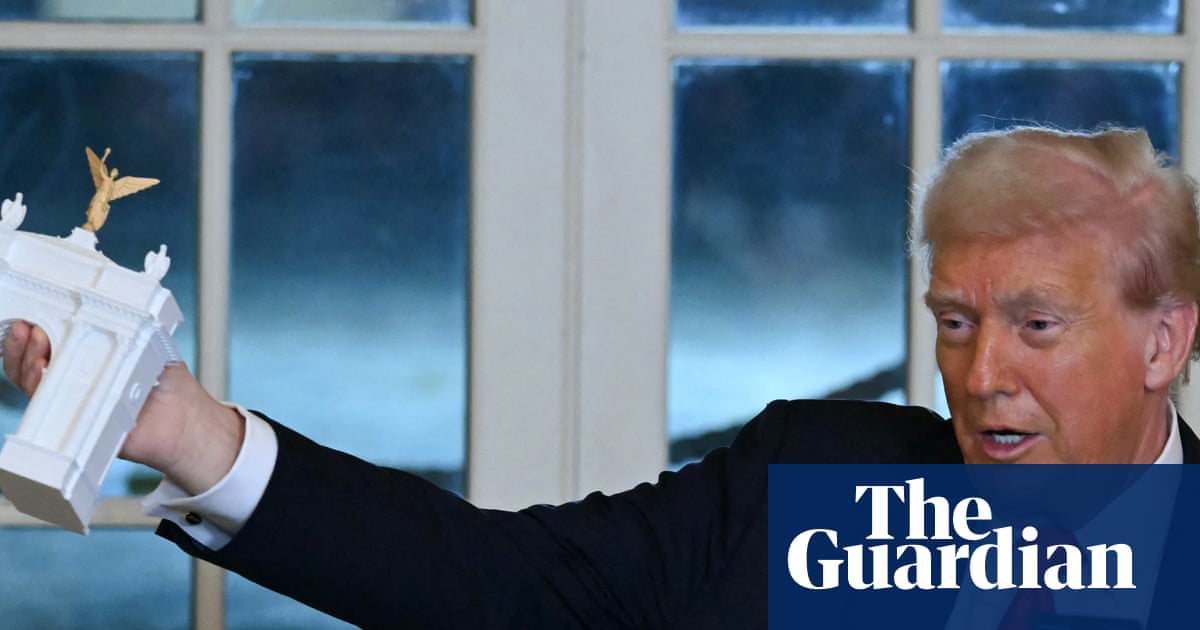
The proposed structure is designed to be a massive addition to the national landscape, rising 250 feet into the air. This height would make the arch approximately 100 feet taller than the Statue of Liberty, measured from its base to the top of the torch. The design includes a large bronze statue of Lady Liberty with wings, holding a torch featuring an eternal flame. Beyond the exterior monument, the interior plans are extensive, incorporating an observation deck, an occupied roof, two mezzanines, and various functional spaces such as offices, a staff lounge, circular staircases, multiple elevators, and a fire command center. The administration has also stated that the arch will serve a national security function, adding another layer of complexity to its purpose.
Attorneys General Brian Schwalb of Washington and Jay Jones of Virginia argue in their complaint that breaking ground on the project would inflict irreparable harm on both jurisdictions. They emphasize that the site is located at the center of a major traffic artery within the monumental core of the capital. The attorneys warn that the three-year construction period would inevitably create severe traffic snarls between the District and Virginia. Additionally, they cite concerns about increased pollution and storm water runoff entering the Potomac River, as well as potential interference with emergency services operations in the region.
The timing of these legal challenges is particularly sensitive given recent events in the area. The lawsuit highlights concerns about how traffic interruptions could impact emergency responses in a region where joint operations between jurisdictions are standard practice. This concern is underscored by the memory of a midair collision in January 2025, when a US military helicopter collided with a passenger airliner, killing 67 people. The plaintiffs suggest that any disruption to the flow of traffic and emergency access in this critical corridor could have dangerous consequences, making the preservation of current infrastructure conditions a matter of public safety.
Despite the mounting legal pressure, the administration remains committed to moving forward quickly. In a recent court filing, Republican officials stated their intention to seek final approval for the project at a Thursday meeting of the Capital National Planning Commission. They indicated that construction could potentially begin on the same day as the approval, even with two pending lawsuits challenging the endeavor. The government submitted a detailed 106-page plan on Friday, outlining the massive scope of the structure and proposing significant changes to local traffic patterns, including the rerouting of vehicles on nearby roads to accommodate the construction zone.
Federal Judge Tanya Chutkan is currently considering whether to issue an order halting the project. She held a hearing on Friday regarding the initial lawsuit filed by three Vietnam War veterans and an architectural historian. While she did not take immediate action following that hearing, she indicated that she would move expeditiously in resolving the matter. The new lawsuit from Virginia and the District of Columbia seeks a temporary restraining order to slow the administration’s plans, adding another layer of judicial scrutiny to the proceedings. The White House has not immediately responded to requests for comment regarding the latest legal developments.
The conflict highlights a broader tension between the executive branch’s desire to implement symbolic projects rapidly and the legal requirements for environmental review and public consultation. The arch site straddles the Potomac River, placing it in a highly visible and politically sensitive location. As the administration pushes for final approval and potential immediate construction, the courts are being asked to balance the government’s interests against the stated harms of traffic disruption, environmental impact, and emergency service interference. The outcome of these cases will determine whether the 250-foot structure proceeds or faces a prolonged legal delay.
With construction potentially starting within days, the stakes for all parties involved are high. The administration views the arch as a favorite project of President Trump, while opponents see it as an environmentally and logistically damaging imposition on the capital’s infrastructure. The next few days will be critical as Judge Chutkan decides whether to grant the requested restraining orders. If she does not halt the project, the physical transformation of the Potomac River island could begin almost immediately, setting the stage for a long-term legal battle over the monument’s existence and impact on the nation’s capital.
Sources behind this briefing
Go to the original reporting
- The Guardian US↗Virginia and DC sue to stop Trump’s arch as government looks to start construction