The short version
- The Kunsthalle Bremen has launched an exhibition believed to be the first of its kind, focusing exclusively on the dachshund as a subject in art history.
- The collection includes pieces by major artists such as Pablo Picasso and David Hockney, highlighting the breed's role as a muse and companion.
- Visitors can attend special sessions where small dogs are permitted inside specific galleries to experience the artwork through scent and movement.
A German museum has opened an exhibition that centers entirely on one of history’s most recognizable canine breeds, marking what organizers describe as the first major art showcase dedicated exclusively to the dachshund. The Kunsthalle Bremen launched “The Dachshund: An Icon Off the Leash” this week, presenting a curated selection of approximately 120 works that span centuries of artistic representation. The collection aims to illustrate how the elongated hound has transitioned from its origins as a working animal to becoming a persistent symbol in both aristocratic and modernist visual culture.
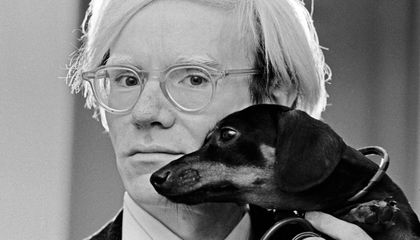
The exhibition features contributions from a diverse array of prominent artists, including Pablo Picasso, Andy Warhol, David Hockney, Otto Dix, and Max Liebermann. Museum director Christoph Grunenberg noted that the breed served as a muse for many significant creators, appearing in various styles across different eras. Curator Annett Reckert emphasized the frequency with which these dogs acted as models and studio companions, suggesting their presence was integral to the creative environments of these artists rather than merely incidental.
Among the notable highlights is Picasso’s reinterpretation of Diego Velázquez’s 17th-century masterpiece Las Meninas. In his series, Picasso replaced the original Spanish Mastiff with Lump, a dachshund owned by American photojournalist David Douglas Duncan. The dog lived with the artist for six years and became a recurring figure in his work. This substitution underscores the personal significance of the breed to Picasso, who integrated the animal into a historically solemn composition, thereby altering its traditional narrative through a modern, domestic lens.
David Hockney’s inclusion reflects a different emotional connection to the animals. He painted his two pet dachshunds in 1995 following a period of personal loss, describing them as akin to little people. His work focuses less on the biological characteristics of the dogs and more on the affection he held for them. This sentiment aligns with the broader theme of the exhibition, which seeks to portray the dachshund not just as a subject but as a personality with distinct traits that resonated with their owners.
The historical context provided by the museum traces the breed’s roots back more than 300 years to Germany, where they were originally bred to hunt badgers. The name derives from the German words for badger and dog. Over time, dachshunds moved from underground hunting tunnels to the drawing rooms of aristocrats and later to urban apartments. Their cultural symbolism shifted dramatically during the World Wars, when anti-German sentiment in the United States led some owners to rebrand them as liberty hounds to avoid backlash.
In the post-war era, the breed played a role in reshaping Germany’s international image. Waldi, a pastel-striped dachshund, served as the official mascot for the 1972 Munich Olympic Games. This choice was intended to project an image of West Germany that was colorful, democratic, and open, contrasting with earlier nationalistic associations. The exhibition also touches on diplomatic incidents involving the breed, such as when Kaiser Wilhelm II’s dachshunds killed a prized pheasant belonging to Archduke Franz Ferdinand, sparking a minor crisis.
The museum has implemented an unconventional approach to visitor engagement by allowing small dogs to enter three of the eight galleries on Thursdays and Saturdays. These sessions are designed for canines with a shoulder height of about one foot or less. Owners must reserve time slots online and check in at a designated lounge before touring. The goal is to allow dogs to interact with the space through sniffing and viewing, acknowledging that their experience of art differs fundamentally from that of human visitors.
The first gallery sets a playful tone with an installation by contemporary artist Thorsten Brinkmann, featuring stuffed toys and memorabilia borrowed from the Dachshund Museum in Regensburg. This setup bridges the gap between historical artifacts and modern interactive experiences. The exhibition remains on view at the Kunsthalle Bremen until March 28, 2027, offering a prolonged opportunity for both human and canine audiences to explore the enduring appeal of this iconic breed.
While other news outlets report on unrelated topics such as ghost job postings in the labor market or controversies surrounding the FifPro Women’s World XI shortlist in football, the cultural focus at Kunsthalle Bremen remains distinct. The exhibition stands alone in its dedication to a single animal subject, providing a comprehensive look at how art reflects and shapes our relationship with pets. It invites viewers to consider the dachshund not merely as a pet but as a complex figure that has influenced artistic expression for generations.
Sources behind this briefing
Go to the original reporting
- Smithsonian Magazine↗From Hunting Hounds to Modernist Muses, Dachshunds Have Done It All. See the World's First Art Exhibition Dedicated Exclusively to the Sausage Dog
- BBC Business↗What in the World
- BBC Sport↗Shaw among big names to miss out on FifPro World XI