The short version
- Kimberly Guilfoyle has resigned as the US ambassador to Greece following allegations that she requested a Trump donor pay her personal credit card debt in exchange for administrative access.
- President Trump stated he was unhappy with the reports, while new Press Secretary Katie Zacharia announced the departure during her first media briefing, which also drew scrutiny over her legal credentials.
- Guilfoyle denies wrongdoing and vows to defend her reputation, though former allies and diplomats have criticized her conduct and questioned the stability of the Athens embassy under her leadership.
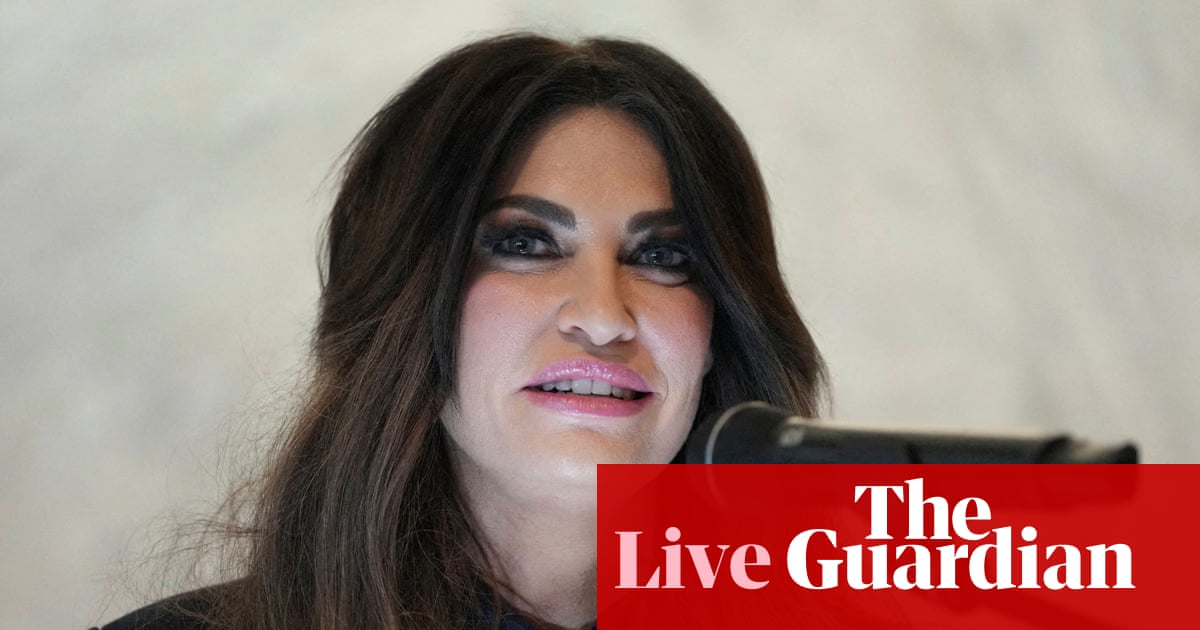
Kimberly Guilfoyle has stepped down from her role as the United States ambassador to Greece, ending a diplomatic appointment that lasted less than a year. The White House announced the decision on Tuesday, citing mounting scrutiny over allegations of improper conduct. President Donald Trump told reporters he was dissatisfied with the reports circulating about his former political ally and stated that she would no longer serve in Athens. The move marks a significant shift in the administration’s diplomatic personnel and follows weeks of intense media coverage regarding Guilfoyle’s behavior while stationed abroad.
The resignation was confirmed by Katie Zacharia, the newly appointed White House press secretary, during her first official media briefing. Zacharia described Guilfoyle as a valuable member of the team and offered well wishes for her future, but provided no further details on the specific reasons for the departure. The announcement came shortly after Secretary of State Marco Rubio reportedly expressed frustration with the allegations, which had begun to overshadow diplomatic engagements in the region. The swift action by the administration suggests an effort to contain potential damage to US-Greek relations and the broader credibility of the executive branch.
Central to the controversy are reports that Guilfoyle asked Eric Deters, a longtime supporter of President Trump, to pay off a substantial American Express bill. According to text messages obtained by news organizations, Guilfoyle urged Deters to wire the funds, claiming the transaction would not be publicly visible. She reportedly offered assistance with his tax and legal issues in return for the payment. Deters has stated that he did not ultimately provide the money and described the request as a clear exchange of favors for financial gain. He has also indicated plans to pursue legal action against Guilfoyle, denying any outstanding debts for consulting or speaking fees.
Guilfoyle has firmly rejected these accusations, characterizing them as false and damaging to her reputation. In a lengthy social media post, she thanked President Trump and affirmed her continued loyalty to his political movement. She vowed to vigorously defend her integrity and argued that the allegations were an attempt to undermine her decades of public service. Her legal team disputed the authenticity of the text messages in question, asserting that any financial discussions related to Deters concerned legitimate payments for past professional services rather than improper quid pro quo arrangements.
Beyond the financial allegations, reports have surfaced regarding Guilfoyle’s conduct in Athens. Media outlets cited audio recordings and accounts suggesting she boasted about her connections to wealthy Greek business figures who funded her luxury travel. There were also claims that she made inappropriate remarks to local officials, including suggestions that the United States could destabilize the Greek government. These behaviors reportedly drew criticism from within the State Department and raised concerns among diplomatic colleagues about the professionalism of the US embassy in Greece.
The diplomatic fallout has been immediate and visible. Greek government officials initially denied any knowledge of Guilfoyle’s impending departure, stating that no such discussions had taken place with Athens authorities. However, local media and diplomatic insiders had already begun describing the embassy as dysfunctional and lacking proper leadership. Former US diplomats noted that Guilfoyle’s actions created an untenable situation for embassy staff, who found themselves navigating a complex political landscape while their ambassador faced intense public scrutiny.
Guilfoyle’s path to the ambassadorship was itself contentious. Nominated by President Trump in December 2024, her confirmation stalled in the Senate for months due to opposition from Democrats. Republicans eventually invoked the nuclear option to overcome a filibuster, allowing her confirmation by a simple majority vote. She was sworn in as the first woman to hold the post in late October 2025, succeeding George Tsunis, who had been appointed by the previous administration. Her tenure was marked by high-profile visits and attempts to strengthen US-Greek ties, but these efforts were increasingly overshadowed by personal controversies.
The announcement of Guilfoyle’s resignation coincided with a broader shift in White House communications. Katie Zacharia’s first press briefing was notably brief and focused heavily on defending the administration’s record. Reporters questioned Zacharia about her own professional background, specifically asking which state bar exam she had passed, given her description as an attorney. President Trump praised Zacharia’s performance, though the exchange highlighted ongoing tensions between the White House and the press corps regarding transparency and accountability.
As Guilfoyle departs, the administration faces the task of appointing a new envoy to Greece while managing the diplomatic repercussions of this abrupt change. The incident underscores the challenges of integrating political allies into sensitive foreign policy roles without rigorous vetting or oversight. For now, the focus remains on stabilizing relations with Athens and ensuring that future appointments adhere to established diplomatic norms. The resolution of any legal disputes between Guilfoyle and her accusers will likely unfold in the coming months, adding another layer of complexity to this already turbulent chapter.
The broader implications of this resignation extend beyond individual misconduct. It raises questions about the standards applied to political appointees and the extent to which personal loyalty outweighs professional competence in diplomatic postings. As the administration moves forward, it must balance its commitment to its base with the need to maintain credible international partnerships. The departure of Guilfoyle serves as a stark reminder of the risks associated with politicizing foreign service roles and the potential for such decisions to undermine national interests.
Sources behind this briefing
Go to the original reporting
- The Guardian World↗Kimberly Guilfoyle denies allegations of misconduct as she resigns as US ambassador to Greece – live
- BBC World↗Trump ousts Kimberly Guilfoyle as US ambassador to Greece after corruption allegations
- The Guardian US Politics↗Kimberly Guilfoyle ousted as US ambassador to Greece after alleged misconduct