The short version
- Rescue organizations are overwhelmed by a surge in calls regarding starving grey-headed flying foxes, with daily intake rates exceeding previous nine-month totals.
- Experts attribute the crisis to a combination of habitat loss, dry winter conditions, and poor flowering seasons for native eucalyptus trees.
- The event poses severe risks to the species' recovery, particularly through high mortality rates among premature pups and weakened mothers unable to sustain pregnancy.
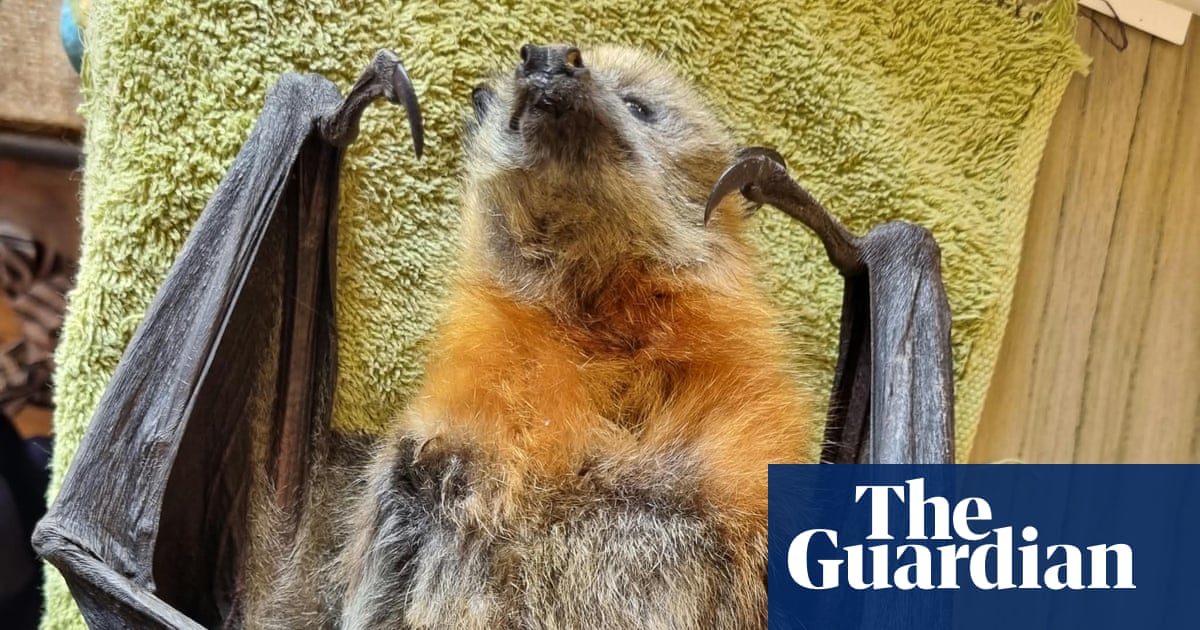
A severe starvation crisis is unfolding across New South Wales and parts of Victoria, affecting populations of grey-headed flying foxes. Wildlife rescue organizations are responding to a dramatic increase in reports of adults and young bats that are exhausted, emaciated, or skeletal. The situation has escalated rapidly, with rescuers describing scenes of animals dropping from trees due to lack of energy and crawling on the ground to consume fallen fruit.
The grey-headed flying fox is listed as vulnerable under federal environment laws. These bats typically rely on the blossoms and nectar of native trees for sustenance. However, current conditions have led to significant food shortages stretching from the northern rivers region in New South Wales down to the south coast. Rescue groups in Victoria, particularly in East Gippsland and Castlemaine, are also experiencing a sharp rise in emergency callouts.
Rachael Smethurst, bat coordinator at Fawna wildlife rescue on the mid-north coast of New South Wales, reported receiving between 50 and 90 calls per day. This volume exceeds the total number of bat-related callouts the organization handled over the previous nine months combined. The surge indicates a widespread ecological stressor rather than isolated incidents.
Behavioral changes among the bats signal extreme desperation. Animals are entering residential backyards to feed on ornamental fruit trees and coconut palms, consuming both ripe and unripe produce. Many lack the energy to return to their roosting camps after feeding. Some are observed eating during daylight hours, a deviation from their normal nocturnal patterns that leaves them exposed to predators and human conflict.
The nutritional deficit is having catastrophic effects on reproduction. Female flying foxes in their final month of gestation are losing their young due to insufficient strength and health to produce milk or carry pregnancies to term. Premature pups are being found dead under trees, and those that survive birth face a difficult prognosis. Veterinary care for these fragile animals is labor-intensive and not always successful.
Experts point to environmental factors as primary drivers of this event. The Wildlife Information Rescue and Education Service (Wires) suggests that habitat loss combined with a dry winter has resulted in poor seasonal flowering of eucalypts and other native flora. A spokesperson for the New South Wales environment department noted that while the exact cause is not definitively confirmed, food shortages are often aggravated by climatic events such as drought and El Niño conditions.
The current crisis follows a summer marked by thousands of heat-related deaths among flying foxes. Additional stressors include disruptions to roosting sites, such as construction work near Melbourne’s Yarra Bend camp. Tamsyn Hogarth, director of the Fly By Night Bat Clinic, emphasized that the species is facing compounding threats from multiple directions, leaving little room for recovery.
Public safety concerns have also emerged. The New South Wales health department has reminded residents to avoid handling bats after 43 people were assessed for scratches or bites in a two-week period. Residents are encouraged to report sick or dead animals to local wildlife rescues. Volunteers are working to rehabilitate survivors and provide humane end-of-life care, though access to veterinarians in rural areas remains a significant logistical challenge.
The loss of so many pups could have long-term consequences for the species. Grey-headed flying foxes typically give birth to only one young per year. The current mortality rate threatens to create a ripple effect that may hinder population recovery efforts. Rescue organizations are calling for donations and support as they struggle to manage the scale of the emergency.
As the situation develops, monitoring will continue to assess the impact on bat populations across the region. The intersection of climate variability, habitat degradation, and urban expansion presents a complex challenge for conservationists. Immediate interventions focus on mitigating suffering and preserving remaining individuals, while long-term strategies must address the underlying environmental pressures.
Sources behind this briefing
Go to the original reporting
- The Guardian World↗Flying foxes in NSW and Victoria face mass starvation amid food shortages


