The short version
- Federal prosecutors charged James Comey with leaking national defense information related to a 2016 New York Times report, marking the third criminal case brought against him by the Trump administration.
- The government utilized a 'criminal information' filing rather than seeking a grand jury indictment, a move Comey's attorneys contend is an improper attempt to bypass legal time limits and procedural safeguards.
- Previous investigations into the same leak concluded no charges were warranted, raising questions about the timing and validity of this renewed prosecution ahead of midterm elections.
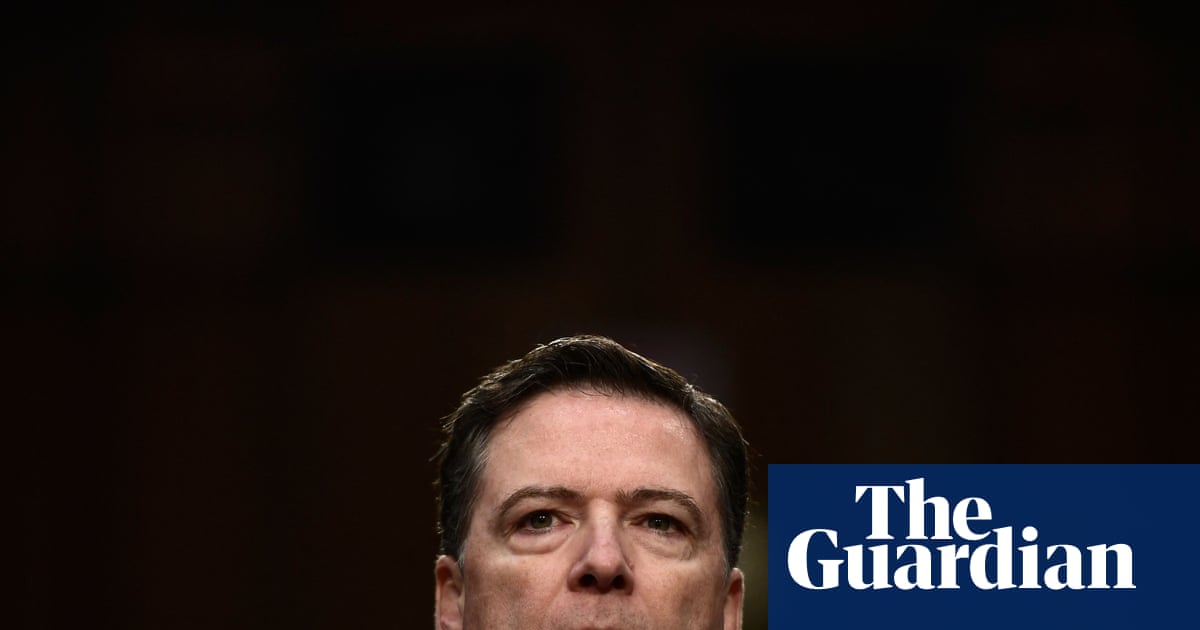
The Department of Justice has filed new criminal charges against former FBI Director James Comey, accusing him of leaking information related to national defense. The allegations stem from a 2016 New York Times article regarding a secret court order involving Yahoo and foreign terrorist surveillance. This filing represents the third distinct criminal case initiated by the Trump administration against Comey, intensifying the legal conflict between the former law enforcement official and the current executive branch.
Prosecutors filed the charges in federal court in Washington using a procedural tool known as a 'criminal information.' Unlike a traditional indictment, which requires approval from a grand jury, an information is filed directly by prosecutors. The government stated that this maneuver was necessary to toll, or pause, the ten-year statute of limitations for bringing such cases. Legal experts note that while filing an information to extend time limits is a recognized practice in some federal circuits, it is typically used when a defendant consents as part of a plea agreement.
Comey’s legal team immediately challenged the validity of the filing. Attorney Patrick Fitzgerald argued that the statute of limitations had effectively expired and that the law requires a grand jury indictment within that ten-year window. Fitzgerald emphasized that the current filing was neither approved by a judge nor issued by a grand jury, characterizing it as an attempt to charge Comey with crimes he did not commit after previous investigations concluded otherwise.
The specific leak in question involves a report published on October 5, 2016, which cited anonymous government officials discussing a Foreign Intelligence Surveillance Court order. The order required Yahoo to scan emails for potential links to foreign terrorist organizations. Federal authorities, including then-Special Counsel John Durham, investigated this disclosure starting in early 2017. In December 2018, Durham issued a classified memo recommending that no criminal charges be brought against anyone involved in the leak.
A second investigation into the same matter was opened by the U.S. Attorney’s office for the District of Columbia in January 2019 under the code name 'Tropical Vortex.' That probe was closed without any charges filed in February 2020. Comey’s lawyers highlighted these prior conclusions to argue that the current prosecution is unprecedented and lacks merit, noting that the government previously determined twice that no criminal action was warranted.
The timing of these new charges has drawn scrutiny given their proximity to upcoming midterm elections. Critics view the escalation as part of a broader pattern of politically charged investigative actions by the Justice Department. Comey, who was fired by President Trump in 2017 during an investigation into Russian interference in the 2016 election, has become a vocal critic of the administration. His attorneys suggest the renewed legal pressure is designed to intimidate rather than pursue justice.
This case follows two other recent legal battles involving Comey. In one instance, charges related to lying to Congress were dismissed after a judge ruled that the prosecutor handling the case had been unlawfully appointed. In another, Comey faced charges in North Carolina over a social media post featuring seashells arranged to spell '8647,' a phrase some interpreted as a call to remove Trump from office. Legal analysts have described that particular case as thin on evidence.
Comey responded to the new allegations in a video statement, expressing frustration with what he termed an appalling abuse of the Department of Justice. He maintained his innocence and stated that he remains unafraid of those pursuing him. The former director emphasized his continued belief in an independent federal judiciary, suggesting that the courts will ultimately serve as a check against executive overreach.
The government maintains that this is an ongoing criminal investigation and declined to provide further comment beyond asserting the legitimacy of using a criminal information to toll the statute of limitations. As the case moves forward, it will likely face significant legal challenges regarding procedural compliance and statutory interpretation. The outcome could set important precedents for how long the executive branch can pursue historical leaks and what mechanisms are permissible for extending prosecution timelines.
Observers note that the dispute highlights deep tensions within the federal legal system regarding accountability and political neutrality. Whether the charges proceed to trial or are dismissed will depend on judicial rulings about the proper application of statute of limitations laws and the validity of non-grand-jury filings in this context. The case remains a focal point for debates about the rule of law and the separation of powers.
Sources behind this briefing
Go to the original reporting
- The Guardian World↗Justice department charges ex-FBI director James Comey for third time
- PBS NewsHour↗Trump administration charges former FBI Director James Comey for the third time