The short version
- A coalition of federal regulators and state attorneys general has filed a lawsuit accusing Dollar General of engaging in deceptive pricing practices across its extensive network of stores.
- The complaint relies heavily on investigative reporting that documented thousands of failed price accuracy inspections and employee testimony regarding understaffing issues.
- While the retailer argues that perfect price matching is legally unattainable, regulators contend the company has betrayed consumer trust and caused significant financial harm to low-income shoppers.
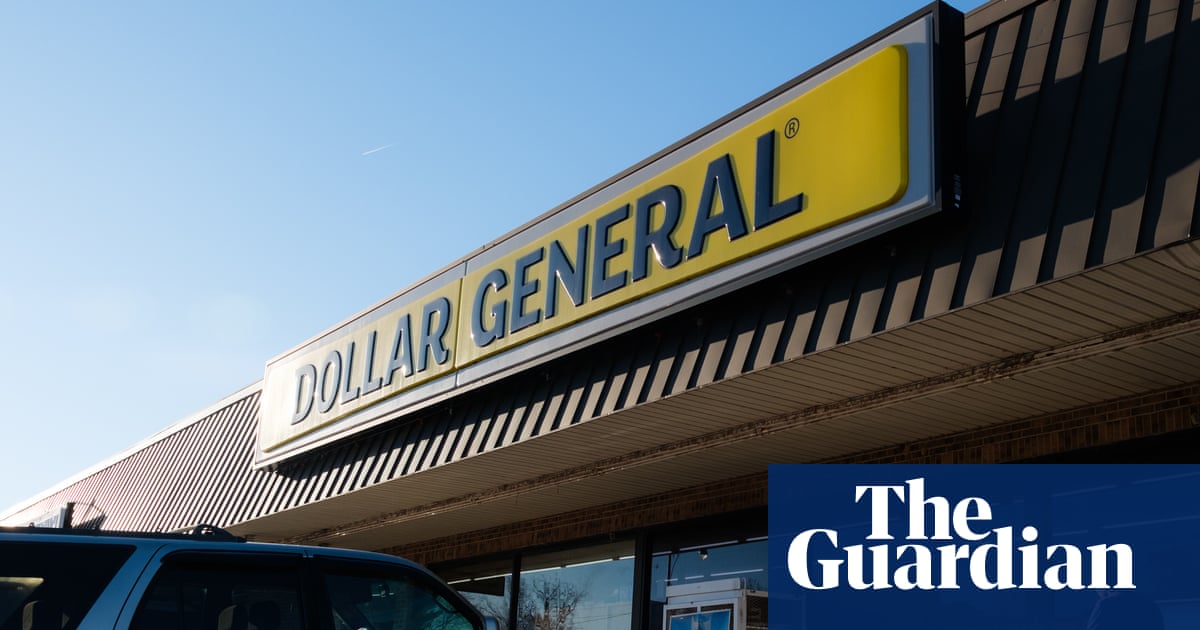
The Federal Trade Commission, joined by attorneys general from twenty states, has initiated a federal lawsuit against Dollar General, alleging that the nation’s largest dollar-store chain has engaged in a widespread pattern of deceptive pricing. The legal action, filed in Nashville, asserts that the retailer routinely charges customers higher amounts at checkout than what is displayed on shelf tags, advertisements, and price labels. Regulators describe the scope of this misconduct as staggering, noting that it affects millions of purchases nationwide and undermines the company’s public commitment to providing value and convenience to its customer base.
The complaint centers on the discrepancy between the prices advertised by the retailer and those actually charged at the register. According to the ninety-five-page legal document, Dollar General has persisted in this conduct for years, despite having internal policies designed to align scanned prices with shelf displays. The FTC argues that these measures are largely ineffective because they fail to track whether employees actually update the labels as required. This systemic failure means that customers, particularly those relying on fixed incomes, are frequently overcharged without their knowledge until the transaction is complete.
A significant portion of the lawsuit’s evidence is drawn from an investigation published by The Guardian in December 2025. That report found that Dollar General stores failed more than four thousand government price-accuracy inspections across twenty-three states over a three-year period. The FTC notes that this reporting prompted significant internal deliberation within the company, suggesting that leadership was aware of the widespread nature of the pricing errors. The lawsuit uses these findings to demonstrate that the issue is not isolated but rather a persistent operational failure that impacts consumers on a massive scale.
Internal challenges regarding staffing levels appear to be a key factor in the retailer’s inability to maintain price accuracy. Employees interviewed for the earlier investigation reported that understaffing often prevented them from updating shelf labels according to company directives, which require removing and replacing outdated tags on specific days of the week. One lead sales associate in Louisiana stated that they sometimes discarded tags to avoid trouble with management. The FTC contends that these on-paper policies achieve little in practice because there is no mechanism to verify compliance, leaving customers vulnerable to inaccurate pricing.
Dollar General has not responded to recent inquiries regarding this specific lawsuit, but the company has previously defended its practices in other legal contexts. In court documents filed in Ohio, the retailer’s lawyers argued that it is virtually impossible for any retailer to match shelf and scanned pricing one hundred percent of the time. They maintained that perfection in price accuracy is neither plausible nor expected under current laws. The company has also stated in the past that it is disappointed when it fails to deliver on its commitment to accurate shelf pricing, framing such instances as exceptions rather than the rule.
Regulators reject the argument that occasional errors justify systemic overcharging. Christopher Mufarrige, director of the FTC’s bureau of consumer protection, emphasized that Dollar General markets itself specifically as a low-cost alternative for consumers who are already struggling to make ends meet. He stated that the company has betrayed the trust of millions of American consumers and imposed significant financial harm on communities that rely on accurate pricing to manage their budgets. The lawsuit seeks to hold the retailer accountable for what it describes as a deliberate pattern of conduct that harms the very customers the brand claims to serve.
This federal action follows a separate settlement in New York, where Attorney General Letitia James announced earlier this month that Dollar General had agreed to pay $1.875 million to resolve allegations of repeated overcharging within the state. That settlement highlights the growing scrutiny the retailer faces from state-level authorities who are increasingly willing to pursue legal remedies for pricing discrepancies. The involvement of states ranging from Mississippi to Ohio to Nebraska and Utah in the current lawsuit underscores a broad coalition of regulators united by concerns over consumer protection in the discount retail sector.
The outcome of this case could set important precedents for how price accuracy is enforced across the retail industry. If the FTC and state plaintiffs succeed, it may require Dollar General to implement more rigorous tracking systems for shelf labels and face significant penalties for past violations. For consumers, the lawsuit represents a formal acknowledgment that the gap between advertised and actual prices is not merely a minor inconvenience but a form of deceptive practice that warrants legal intervention. The case will likely proceed through federal court, where both sides will present evidence regarding the extent of the pricing errors and the company’s responsibility for them.
Sources behind this briefing
Go to the original reporting
- The Guardian World↗FTC and 20 states sue Dollar General, accusing bargain chain of overcharging customers