The short version
- Shop price inflation rose to 2.1% in October, the highest figure since mid-2024, driven by increased costs for food and non-food items.
- Retailers are beginning to pass on higher expenses related to energy and raw materials after absorbing them for two years due to weak consumer demand.
- The Bank of England is expected to raise interest rates next week, with potential further hikes if inflationary pressures persist into the new year.
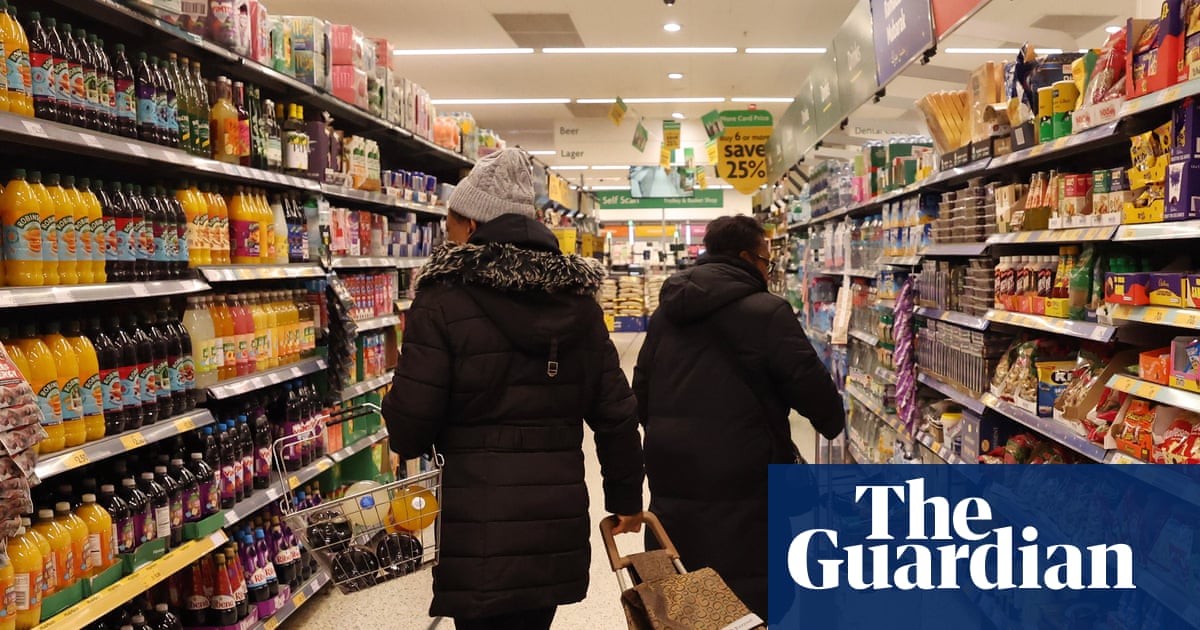
Consumer prices at British retail outlets have accelerated sharply, reaching their highest annual growth rate in two and a half years. Data from the British Retail Consortium indicates that shop price inflation climbed to 2.1 percent in October, a significant jump from the 1.4 percent recorded in September. This upward trend signals a shift in market dynamics, as retailers are increasingly unable to shield customers from rising operational expenses.
The surge is largely attributed to escalating costs for energy and food ingredients, which have intensified since the outbreak of conflict in the Middle East. Brent crude oil prices recently hit $117 per barrel, a stark contrast to the $70 average seen prior to the military actions involving the United States and Israel against Iran earlier this year. These elevated fuel costs have contributed to a broader rise in the consumer prices index, which stood at 3.5 percent last month.
Food inflation, which had remained relatively subdued over the past twelve months, increased to 2.9 percent year on year in October. Non-food categories, including clothing and footwear, experienced an even more dramatic shift, with inflation more than doubling from 0.8 percent to 1.7 percent. Industry leaders warn that the capacity of retailers to absorb these shocks is diminishing, describing the situation as a breaking dam against a wave of accumulated costs.
For the previous two years, many businesses maintained stable shelf prices despite higher input costs, largely because consumer demand remained weak. However, surveys indicate that consumer confidence has deteriorated significantly since the summer, as it became apparent that the geopolitical conflict would not resolve quickly. This decline in confidence has coincided with the current wave of price adjustments, suggesting that retailers are now prioritizing margin protection over volume retention.
The monetary policy implications of this inflationary spike are substantial. Officials at the Bank of England are anticipated to increase interest rates from 3.75 percent to 4 percent next week. If the trend in retail prices continues, it may compel members of the nine-member monetary policy committee to implement additional rate hikes in December or early next year, further tightening financial conditions for borrowers and savers alike.
Political pressure is mounting on Chancellor John Healey ahead of his first budget announcement. Backbenchers are expressing concern that the high cost of living is disproportionately affecting their constituents, particularly low-income households. The timing of the inflation data release adds urgency to fiscal decisions, as the government faces scrutiny over its ability to mitigate economic hardship without exacerbating inflationary pressures.
Research from the University of Glasgow highlights the severe impact on vulnerable populations. A study tracking low-income families reveals that high fuel prices are creating barriers to employment and healthcare access, especially for those with disabled children who rely on private transport. With petrol frequently exceeding £1.75 per liter and diesel often above £2, many participants report that work is no longer financially viable given transportation costs.
Coping strategies among these families have become increasingly drastic. Nearly three-quarters of the study participants reported shopping in reduced-items aisles, while others altered their diets or turned off heating to save money. Experts argue that current government support measures are insufficient and call for long-term reforms to social security systems, including restoring the real value of child benefits, to address the structural inadequacies exposed by this economic crisis.
As the budget approaches, the interplay between fiscal policy and monetary tightening will define the near-term economic landscape. The combination of rising retail prices, potential interest rate hikes, and strained household budgets presents a complex challenge for policymakers. The coming weeks will likely reveal whether these measures can stabilize inflation or if deeper structural adjustments are required to support both businesses and consumers.
Sources behind this briefing
Go to the original reporting
- The Guardian World↗UK shop price inflation ‘highest since 2024’ as retailers struggle to limit price rises