The short version
- The Department of Justice has filed criminal charges against twenty-eight lawful permanent residents in California for allegedly registering to vote illegally.
- Federal officials have simultaneously sued the state to block ballot tabulation for individuals on a disputed list of potential noncitizens, drawing sharp criticism from state leaders.
- A new national poll indicates President Trump’s approval rating has dropped to thirty-one percent, a historic low, as Republicans face headwinds in upcoming midterm contests.
The United States Department of Justice announced on Monday that it has filed criminal charges against twenty-eight lawful permanent residents in California. The defendants, who hold green cards but are not citizens, are accused of fraudulently registering to vote and casting illegal ballots. Prosecutors allege that the individuals made false statements under oath during the registration process. These offenses carry potential prison sentences of up to five years. Eleven of those charged have already been taken into custody, while arrests for the remaining defendants were ongoing at the time of the announcement.
This legal action represents a significant escalation in the federal government’s campaign against alleged noncitizen voting. In recent weeks, federal prosecutors have initiated charges against a total of one hundred twelve individuals across twenty states for similar registration offenses and illegal voting activities. The justice department stated that twenty-one of the twenty-eight California defendants had actually cast unlawful ballots. The administration frames these prosecutions as necessary measures to protect election integrity, asserting that noncitizens are attempting to undermine the democratic process.
The arrests coincide with a broader legal offensive by the federal government against California’s election infrastructure. Just days before the charges were announced, the justice department filed a lawsuit demanding that courts block the state from tabulating certain ballots in the high-stakes November midterm elections. Federal officials had previously sent Los Angeles County election authorities a digital drive containing names of individuals they believed to be noncitizens who had received mail-in ballots. The department demanded that state officials verify the citizenship status of these individuals within forty-eight hours and set aside any ballots from those who could not immediately confirm their status.
California’s Secretary of State, Shirley Weber, has strongly condemned the federal demands as outrageous and legally unfounded. In a letter to the justice department, Weber argued that treating thousands of voters as ineligible until proven otherwise violates federal law prohibiting the systematic removal of voter names in the lead-up to an election. She highlighted inconsistencies in the data provided by the Department of Homeland Security, which initially claimed in July that more than one hundred ninety thousand registered voters in the state might be noncitizens. That figure was later revised downward to twenty thousand, with officials refusing to share the specific methodology or data sources used to generate these estimates.
Trent McCotter, the acting US deputy attorney general, acknowledged during a press interaction that the government’s list of alleged noncitizen voters might contain inaccuracies. He described the initial estimate of one hundred ninety thousand as a ceiling and the revised figure of twenty thousand as a floor representing higher confidence levels. McCotter stated that the lower number included individuals who had not yet been manually verified, suggesting that some names on the list could ultimately be confirmed as citizens. He emphasized that the administration is requesting cooperation from California to resolve these discrepancies.
Election experts and voting rights advocates have raised concerns that these federal crackdowns could inadvertently disenfranchise eligible US citizens. They argue that noncitizen voting is extremely rare and that the aggressive posture of the justice department may sow doubt about election results without substantial evidence of widespread fraud. Critics view the strategy as an effort to intimidate local election officials and cast a shadow over the legitimacy of the upcoming midterm elections. Some federal efforts in other states have already faced scrutiny; for instance, Nevada officials recently reported that the Department of Homeland Security had wrongly identified one hundred eighty-five people on state voter rolls as noncitizens.
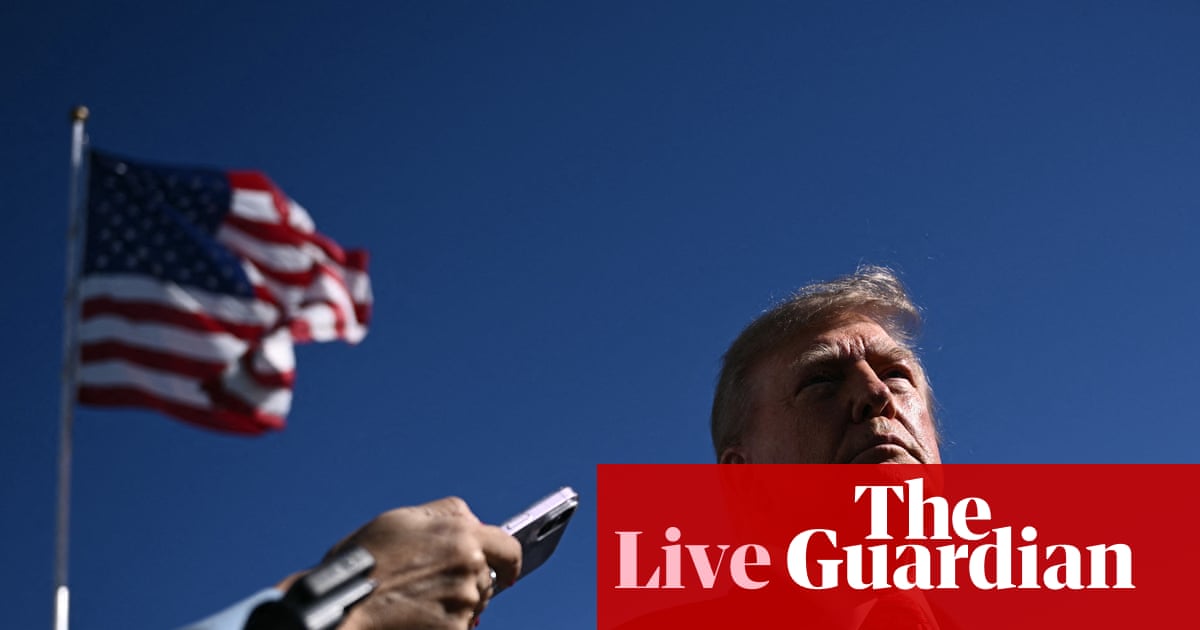
The political context surrounding these legal maneuvers is marked by declining support for the current administration. A new poll conducted by Reuters indicates that only thirty-one percent of Americans approve of President Trump’s performance in office. This figure represents a record low for the president and is one percentage point lower than surveys conducted two weeks prior. The poll also shows that if elections were held today, forty-seven percent of registered voters would choose Democrats, compared to thirty-five percent who would select Republicans. These numbers reflect significant headwinds for the party in power as it enters a critical midterm cycle.
As the November elections approach, the tension between federal and state authorities is likely to intensify. The justice department has threatened to prosecute any election official who tabulates a ballot from a noncitizen, a move that legal experts describe as specious and intimidating. With twenty-three million registered voters in California alone, the stakes for both parties are exceptionally high. The administration’s dual strategy of criminal prosecutions and civil litigation aims to assert federal control over election procedures, while state officials and voting rights groups continue to resist what they characterize as politically motivated interference.
The coming weeks will test the resilience of California’s election systems against federal pressure. While the justice department maintains that its actions are necessary to prevent fraud, opponents argue that the lack of transparency in data methodology and the rapid revision of estimates undermine the credibility of the claims. The record-low approval ratings suggest that a significant portion of the electorate remains skeptical of the administration’s approach. As arrests continue and legal battles unfold, the focus will remain on whether these efforts will alter the outcome of the midterms or simply deepen political polarization.
Sources behind this briefing
Go to the original reporting
- The Guardian World↗Trump DoJ announces arrests of 28 green card holders in California on noncitizen voting related charges – live
- The Guardian US↗DoJ charges 28 green card holders in California over alleged voter fraud