The short version
- Prime Minister Sanae Takaichi maintains a 50 percent approval rating one year into her term, defying early predictions of a short tenure.
- The government faces internal strain after the resignation of the agriculture minister and ongoing criticism regarding fiscal policy transparency.
- Takaichi navigates delicate diplomatic relations with both the United States and China while addressing domestic concerns over cost-of-living pressures.
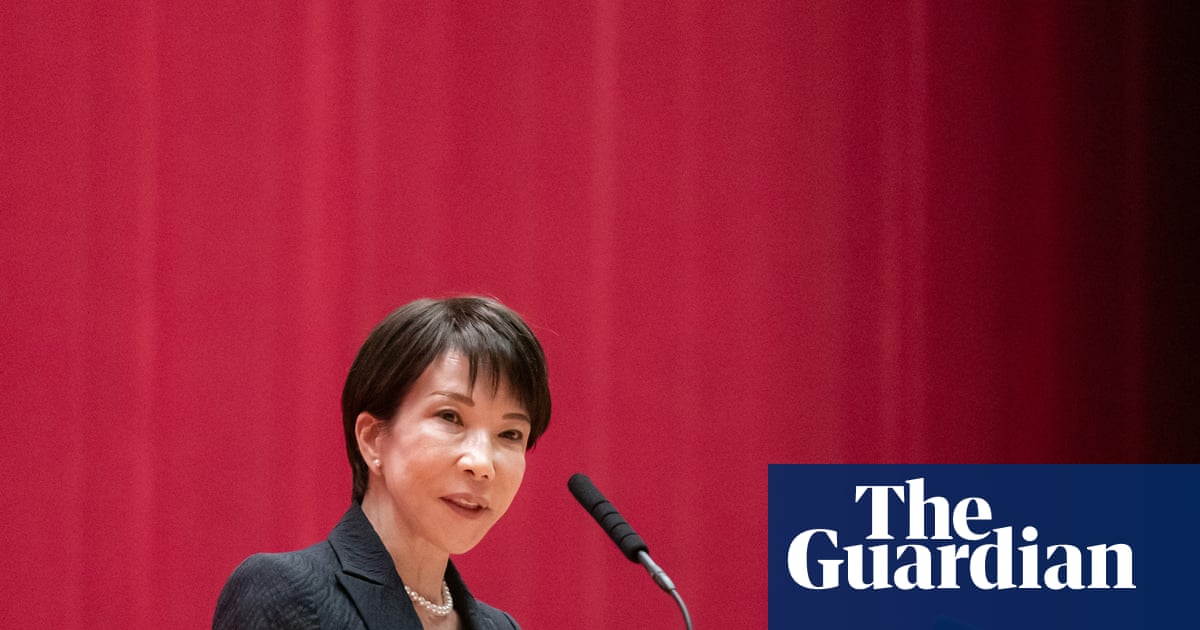
One year after assuming leadership, Japan’s first female prime minister, Sanae Takaichi, stands at a critical juncture in her administration. Her tenure has been marked by a defiance of conventional expectations regarding the stability of female leaders in the country’s historically male-dominated political landscape. Public sentiment remains largely favorable, with recent polling indicating an approval rating near 50 percent. While this figure represents a dip from earlier highs, it remains well above the threshold that typically signals the collapse of previous Japanese administrations.
Takaichi’s political capital has been bolstered by her assertive diplomatic posture and her ability to connect with younger demographics through digital platforms. Observers note that her direct communication style has resonated with voters who have grown disillusioned with the more traditional, analog approaches of her predecessors. Her refusal to yield during prolonged diplomatic tensions with China over Taiwan has garnered particular praise from supporters, reinforcing her image as a leader willing to challenge established norms in foreign policy.
However, the anniversary of her inauguration coincides with significant internal challenges. The government is grappling with the aftermath of its first major cabinet scandal, which resulted in the resignation of Agriculture Minister Kazuo Yana. Yana faced intense backlash for suggesting that road funding should be cut for municipalities that did not support him politically. Takaichi initially defended her minister, describing his reported comments as lame if true, but eventually accepted his resignation after nearly two weeks of mounting pressure.
This incident has raised questions about Takaichi’s management style and her relationship with party colleagues. Critics argue that her delay in addressing the scandal may have damaged her standing among constituents who expect swift accountability from leadership. Political analysts suggest that while her approval ratings remain robust, the fallout from such controversies could erode public trust if similar issues arise in the future. The incident underscores the delicate balance she must maintain between supporting her cabinet and responding to public outrage.
Economic concerns also loom large over Takaichi’s second year in office. She has proposed a two-year reduction in the consumption tax on food and drink, lowering it from 8 percent to 1 percent, alongside cash payments to struggling households. While these measures aim to alleviate cost-of-living pressures, doubts persist regarding their funding mechanisms. Takaichi has insisted that the plan will not require additional borrowing, but she has yet to provide a clear explanation of how the costs will be covered, fueling concerns about Japan’s already high public debt levels.
Internationally, Takaichi continues to navigate complex relationships with key allies and adversaries. Her efforts to strengthen ties with the United States have been evident in her frequent engagements with President Donald Trump, whom she has met four times since taking office. Despite awkward moments, including a non-response to a controversial remark about Pearl Harbor, she has managed to maintain a stable alliance, describing the relationship as entering a golden age. This diplomatic strategy appears designed to reassure Washington of Japan’s commitment to their long-standing security partnership.
Domestically, Takaichi faces scrutiny over her work habits and media engagement. She rarely grants individual interviews, preferring to communicate policy details through extensive posts on social media platforms. In her first five months in office, she held fewer press briefings than her immediate predecessors, leading to accusations that she is avoiding direct media scrutiny. This approach has drawn criticism from those who believe greater transparency is necessary for effective governance.
Additional challenges include persistent questions about the succession law, which remains male-only despite public enthusiasm for a reigning empress. Takaichi has been accused of pushing through revisions that effectively block changes to this tradition. Furthermore, tensions in Okinawa have escalated following the arrest of a US marine suspected of murdering and robbing a local woman, adding another layer of complexity to her diplomatic and domestic responsibilities.
As Takaichi moves into her second year, the focus will likely shift from initial novelty to substantive governance. Her ability to manage cabinet slip-ups, satisfy coalition partners, and address consumer concerns about economic pressures will be crucial. While her direct style has endeared her to many voters, sustaining this support will require navigating both internal political dynamics and external diplomatic pressures with continued precision.
The coming months will test whether Takaichi can translate her initial popularity into lasting political stability. With approval ratings hovering in a safe zone but facing potential erosion from scandals and economic uncertainties, her administration must demonstrate effective leadership. The interplay between her assertive foreign policy and the need for domestic fiscal clarity will define the trajectory of her premiership in the year ahead.
Sources behind this briefing
Go to the original reporting
- The Guardian US↗Sanae Takaichi took on Japan’s male-dominated politics and won – can she survive a second year in power?