The short version
- The Japan Fair Trade Commission raided offices of Asahi, Kirin, Suntory, and Sapporo over suspicions they violated antitrust laws by colluding on beverage pricing.
- Investigators allege executives met secretly to coordinate the timing and magnitude of price hikes for beer and low-malt alternatives, impacting consumers across retail channels.
- The probe follows a similar investigation into ice cream manufacturers earlier this year, marking a broader regulatory crackdown on cartel behavior in Japan's food sector.
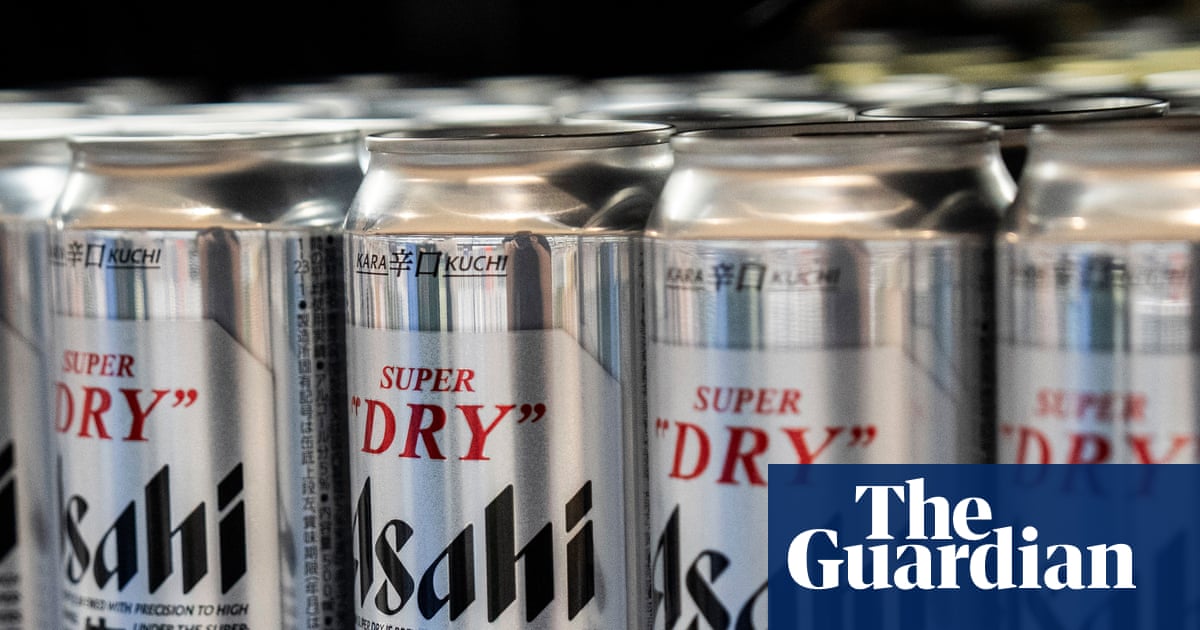
Japanese authorities have launched a significant antitrust investigation into the nation’s four largest beer producers, searching their corporate offices over allegations that they conspired to fix prices. The Japan Fair Trade Commission (JFTC) confirmed it began probing Asahi Breweries, Kirin Brewery, Suntory Beer, and Sapporo Breweries this week. These companies collectively dominate more than 90 percent of the domestic beer market, making their pricing strategies a critical factor for consumers who purchase beverages from supermarkets, convenience stores, bars, and restaurants.
The core of the investigation centers on suspicions that sales managers and other executives from these rival firms held secret meetings over an extended period. According to reports, these gatherings were used to coordinate the timing and scale of retail price increases. The alleged collusion involved adjustments ranging from a few yen to several dozen yen per unit. Regulators believe this behavior bypassed standard competitive pricing mechanisms, allowing the breweries to ensure profitability rather than responding independently to market forces.
Specific attention is being paid to price hikes implemented in October 2022, October 2023, and most recently in April of last year. All four companies announced these increases simultaneously, citing rising costs for raw materials, energy, and logistics as the primary drivers. While inflationary pressures are a legitimate business concern, the JFTC suspects that the breweries used these external factors as a cover to collaborate on pricing decisions. This practice potentially forced drinkers to pay higher prices than would have occurred in a truly competitive market environment.
The scope of the probe extends beyond traditional beer to include happoshu and third-category beers, which contain little or no malt. These lower-malt beverages have seen significant price adjustments alongside standard lagers. The combined market share for these products is substantial, accounting for nearly 12 percent of total alcohol sales in Japan. By coordinating prices across multiple product categories, the breweries may have exerted widespread influence over the cost of alcoholic beverages available to the public.
Hiroo Iwanari, the secretary general of the Fair Trade Commission, acknowledged that an investigation is underway but declined to provide specific details while preliminary reviews continue. He emphasized the seriousness of the case due to its potential impact on consumers. Japanese media reports suggest the commission may file a criminal complaint if evidence of cartel activity is substantiated. This would mark a rare and severe escalation in regulatory action against major food and beverage corporations.
The financial markets reacted swiftly to news of the raids. Shares in Asahi, Kirin, and Sapporo fell on Wednesday following the announcement of the investigation. Suntory’s beer business is not publicly listed, so its stock performance was not directly observable in the same manner. The drop in share prices reflects investor concern over potential fines, legal liabilities, and reputational damage associated with antitrust violations.
Each of the four companies has stated that it will fully cooperate with the regulator. Kirin Holdings noted that the impact on financial results remains undetermined but promised to disclose material developments promptly. Suntory issued an apology for any concern caused to customers and partners, while Asahi confirmed it is subject to the investigation. These statements are standard corporate responses during regulatory probes, designed to maintain stakeholder confidence while legal proceedings unfold.
This investigation follows a similar raid in June targeting six major ice cream manufacturers, including Meiji and Ezaki Glico, over alleged cartel activity. The sequence of probes suggests a broader enforcement strategy by the JFTC to address anti-competitive behavior across Japan’s food and beverage industry. As alcohol consumption declines due to demographic shifts and changing habits among younger generations, the total market value remains high at approximately 3.8 trillion yen, making price stability a significant consumer issue.
The outcome of this case could set a precedent for how regulators handle pricing coordination in oligopolistic markets. If the breweries are found guilty of violating the Antimonopoly Act, they could face substantial penalties and be required to alter their pricing strategies. For now, consumers and investors await further developments as the commission gathers evidence and determines whether criminal charges will be filed.
Sources behind this briefing
Go to the original reporting
- The Guardian World↗Japan beer giants raided over suspicions they colluded to set the price of beverages
- BBC World↗Japan beer giants raided over alleged price-fixing cartel