The short version
- Five hundred army troops are being dispatched to Milan following violent protests that included looting and vandalism by demonstrators, many of whom were minors.
- Prime Minister Giorgia Meloni is considering extending preventive detention for young offenders and accelerating existing security legislation to address the unrest.
- The disturbances in northern Italy mirror similar anti-government protests in France, driven by grievances over rising living costs and deteriorating public services.
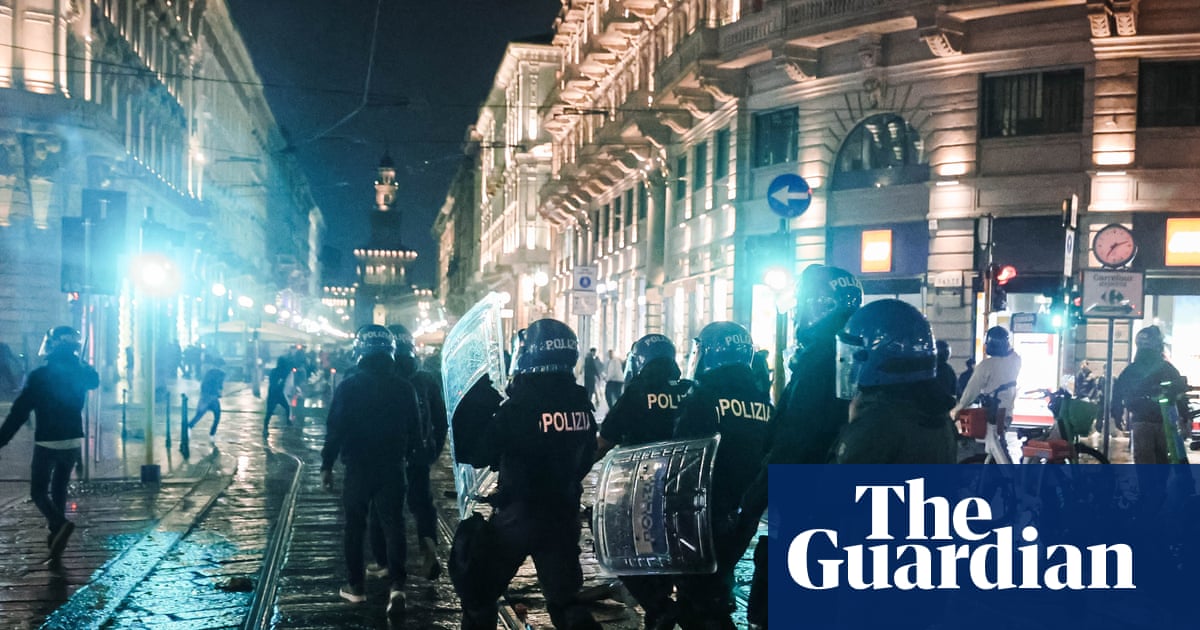
Italy’s government has moved to deploy five hundred army troops to Milan, marking a significant escalation in its response to two days of violent unrest that saw demonstrators clash with police, loot retail stores, and vandalize property. Deputy Prime Minister Matteo Salvini announced the deployment on Monday, stating that the military presence is intended to defend the city as authorities prepare for a cabinet meeting Tuesday to approve broader security measures. The decision comes as businesses in central Milan took preemptive steps to protect their assets, with many shops closing early and boarding up windows in anticipation of further violence.
The unrest began on Saturday with what was initially described as a peaceful demonstration concerning poor public services and rising living costs. However, the situation deteriorated rapidly over the weekend, with several hundred hooded protesters, many believed to be minors, setting bins ablaze and ransacking stores in the city center. Television footage captured the destruction at various retail locations, including sports retailers Decathlon and Arc’teryx, mobile phone operator Vodafone, and clothing brands Levi’s and Under Armour. In response to the threat, these businesses covered their shop windows with cardboard and wooden panels to prevent further damage.
Milan’s prestigious Via Montenapoleone luxury shopping district, home to high-end brands such as Chanel, Tiffany, and Dior, was not spared from the precautionary measures. Most stores in this area removed merchandise from their display windows as a protective step while police increased patrols on the street. A small number of tourists were observed watching the heightened security presence, underscoring the disruption to daily life in Italy’s financial capital. The visual contrast between the boarded-up luxury storefronts and the military deployment highlights the severity of the government’s concern regarding public order.
Law enforcement agencies reported detaining two hundred seventy-one young people during the Sunday unrest in Milan alone. Of those taken into custody, thirty-two were formally arrested, a group that included twenty-three minors and thirteen foreign nationals. An additional twenty-eight individuals were referred to judicial authorities for further processing. These figures reflect the significant involvement of youth in the disturbances, a factor that has drawn particular attention from government officials seeking to curb what they describe as attacks on the state.
Prime Minister Giorgia Meloni, who faces a national election next year, condemned the violence and chaired an emergency meeting with ministers and security chiefs on Monday to coordinate the response. Foreign Minister Antonio Tajani, who also serves as deputy prime minister, emphasized that the government would respond firmly, including through measures aimed specifically at curbing violence committed by minors. The political stakes are high for Meloni’s administration, which must balance maintaining public order with addressing the underlying grievances fueling the protests.
As part of the planned crackdown, reports indicate that Meloni is considering extending preventive detention periods for minors and implementing stricter penalties for youth gangs. Additionally, the government may bring forward certain provisions contained in an existing security bill currently under parliamentary examination. These potential policy shifts suggest a hardening stance on juvenile crime and public disorder, reflecting a broader political strategy to project strength and control in the face of social unrest.
The disturbances in Milan did not occur in isolation but followed clashes on Saturday in other northern Italian cities, including Bologna, Brescia, Bergamo, and Turin. Police reports from Sunday indicated that twenty-eight protesters were arrested in connection with those earlier incidents. The geographic spread of the unrest across multiple urban centers suggests a coordinated or at least synchronized wave of dissatisfaction among demonstrators across northern Italy.
The protests in Italy echo similar unrest occurring in neighboring France, where hundreds of thousands of people took to the streets on Saturday in some of the country’s most violent demonstrations in years. In both nations, citizens are expressing anger over rising living costs and declining public services, indicating a shared regional discontent with economic conditions and government performance. The parallel nature of these movements raises questions about broader European trends regarding social stability and public trust in institutions.
As the situation develops, the focus remains on whether the deployment of troops and proposed legislative changes will effectively restore order or further inflame tensions. The involvement of minors in violent acts presents a complex challenge for Italian authorities, who must navigate legal constraints while addressing immediate security concerns. The coming days will likely reveal more about the government’s long-term strategy for managing social unrest and its impact on the political landscape ahead of next year’s election.
Observers are watching closely to see if the military presence in Milan serves as a deterrent or merely a temporary measure against deeper structural issues. The combination of economic anxiety, perceived failures in public service delivery, and aggressive policing tactics creates a volatile environment that could influence voter sentiment significantly. For now, the immediate priority for Italian officials is containing the violence and preventing further damage to property and public infrastructure.
Sources behind this briefing
Go to the original reporting
- The Guardian World↗Milan luxury shops close as Italy prepares to deploy troops in the city after days of protests