The short version
- Israeli security forces detained roughly eighty volunteers, including US congressional nominee Brad Lander and several prominent rabbis, while they assisted with an olive harvest near Nahalin.
- The military cited the area as a closed zone, though organizers stated the group was on private land invited by Palestinian owners and had not engaged in any conflict.
- Lander was released with a warning, but many others remained held without food, underscoring the volatile environment for activists operating in the West Bank amid ongoing settler violence.
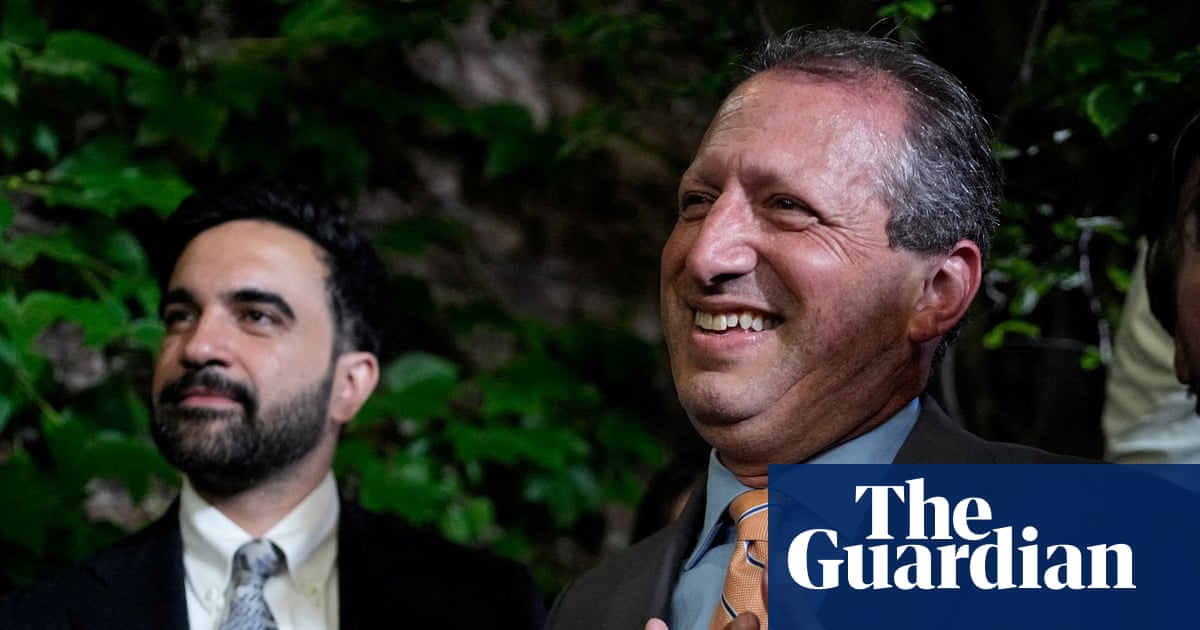
Israeli security forces detained approximately eighty volunteers near the West Bank village of Nahalin on Wednesday, an action that included high-profile American and Israeli figures. The group, which comprised US citizens, Israelis, and British nationals, was assisting Palestinian families with their annual olive harvest when soldiers arrived at the site. Among those taken into custody was Brad Lander, a Democratic nominee for Congress in New York, alongside several rabbis and Joshua Schoffman, Israel’s former deputy attorney general. The detainees were separated by nationality and transported to a nearby police station, marking a significant escalation in the friction between international activists and Israeli military authorities in the region.
Organizers from Protect the Harvest stated that the volunteers were peacefully working on private land belonging to a Palestinian family who had explicitly invited them. According to the group, the situation remained calm until a large contingent of Israeli security forces arrived without prior warning. Soldiers declared the area a closed military zone and ordered everyone to stop their activities. The organizers noted that there was no friction with settlers or security personnel before the intervention, describing the mass detention as unprovoked given the peaceful nature of the work.
Brad Lander, who identifies as a liberal Zionist and a critic of the Israeli government’s policies in Gaza and the West Bank, documented his detention on social media. He described being taken from an olive grove near Nahalin to a police station via bus. Lander emphasized that he viewed the occupation as a violation of international law but maintained that harvesting olives is not a criminal act under any legal framework he recognizes. His presence in the West Bank was part of a broader effort to highlight the realities of the occupation and support local Palestinian communities during a critical agricultural season.
Joshua Schoffman, who served as Israel’s deputy attorney general for over a decade, expressed shock at his detention. He characterized the military’s actions as a complete hallucination, noting that he was detained for the alleged crime of olive harvesting. Schoffman reported that all participants complied with orders to stop when asked by security forces. His involvement underscores the deep divisions within Israeli society regarding the government’s conduct in the occupied territories, as even former high-ranking legal officials join protests against military operations.
The detention occurred against a backdrop of increasing violence by settler militants against Palestinians attempting to harvest olives across the West Bank. Recent weeks have seen vicious assaults on journalists and diplomats, drawing international condemnation and calls for the Israeli government to rein in extremist elements. The arrival of security forces at the Nahalin site appears linked to these broader tensions, although the specific rationale for detaining such a large group of peaceful volunteers remains unclear. Organizers pointed out that the military did not provide immediate comment on the incident.
Conditions for the detainees have been described as difficult. Reports indicate that while the individuals were provided with water, they were denied food during their initial holding period. The Israeli military and police forces did not immediately respond to requests for information regarding the legal basis for the detentions or the timeline for release. This lack of transparency has fueled concerns among human rights advocates about the arbitrary nature of the security measures being employed in the West Bank.
Brad Lander was eventually released with a warning, but many others remained in custody as news outlets went to press. The group included Jill Jacobs, chief executive of T’ruah: The Rabbinic Call for Human Rights, and eleven other American rabbis affiliated with the organization. Their continued detention highlights the risks faced by religious leaders and activists who challenge the status quo in the occupied territories. Lander’s primary victory earlier this year was partly attributed to his critical stance on Israel’s policies, making his detention a politically significant event in the US.
The incident raises questions about the future of international solidarity efforts in the West Bank. Activists have long used olive harvests as a focal point for demonstrating support for Palestinian livelihoods and resisting settler encroachment. The military’s decision to detain such a large number of people, including prominent figures from multiple countries, signals a hardening approach to managing protests and gatherings in the region. It remains uncertain whether this event will lead to broader diplomatic repercussions or changes in Israeli security protocols regarding civilian activists.
As the olive harvest season continues, tensions are likely to persist. The combination of settler violence, military restrictions, and international activism creates a volatile environment that threatens both Palestinian farmers and those who seek to support them. The detention of Lander and others serves as a stark reminder of the complex legal and political landscape in the West Bank, where acts of daily life can become flashpoints for broader geopolitical conflicts. Observers will be watching closely to see how Israeli authorities handle future gatherings and whether diplomatic pressure leads to any policy adjustments.
The release of Lander with only a warning suggests that nationality and political status may influence the severity of consequences for detainees. However, the continued holding of other volunteers indicates that the military is maintaining a firm stance on controlling access to certain areas. The incident has drawn attention to the disparity between the stated goals of protecting security and the actual impact on civilian rights and freedoms. As more details emerge about the treatment of the remaining detainees, the international community may face increased pressure to address the underlying issues driving these confrontations.
Sources behind this briefing
Go to the original reporting
- The Guardian World↗Israeli military detain US and UK volunteers in West Bank including Democratic NY politician Brad Lander
- NPR↗80 Israelis and Americans, including NY Democrat Brad Lander, detained in West Bank