The short version
- Preliminary results indicate neither the Likud bloc nor the centrist opposition has secured the 61 seats required for a majority government.
- Arab-led parties achieved significant electoral success, creating a potential but politically fraught path to power for Netanyahu’s challengers.
- President Isaac Herzog faces pressure to form a stable administration amid fears of another election cycle if coalition talks fail.
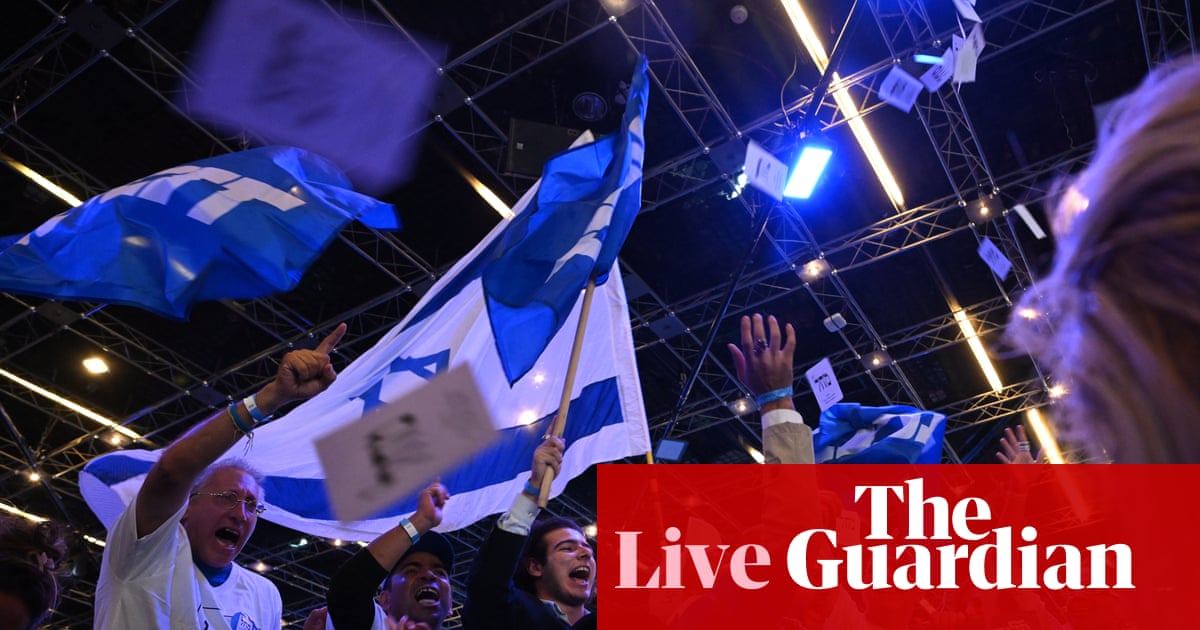
Israelis are awaiting final election results after a vote that produced no clear winner, setting the stage for weeks of complex negotiations. The election saw the highest voter turnout in more than twenty-five years, with nearly seventy-eight percent of eligible voters casting ballots. Despite this high engagement, preliminary data suggests that neither Prime Minister Benjamin Netanyahu nor his main challenger has secured enough support to form a majority government immediately.
With eighty-five percent of votes counted, Netanyahu’s Likud party holds approximately twenty point eight percent of the vote, while former military chief Gadi Eisenkot’s Yashar party trails with sixteen point one percent. Local media projections indicate that Likud and its allied parties would control fifty-three seats in the 120-seat Knesset, falling short of the sixty-one needed for a majority. Eisenkot’s bloc is projected to hold forty-eight seats, leaving both major factions unable to govern alone.
A significant development in this election was the historic performance of Arab-led parties, which garnered nearly fifteen percent of the counted votes and are projected to win nineteen seats. These parties represent constituents who make up twenty percent of Israel’s population. Their strong showing has intensified debates about national identity and coalition possibilities, particularly regarding whether centrist opponents of Netanyahu would be willing to partner with them to displace the current government.
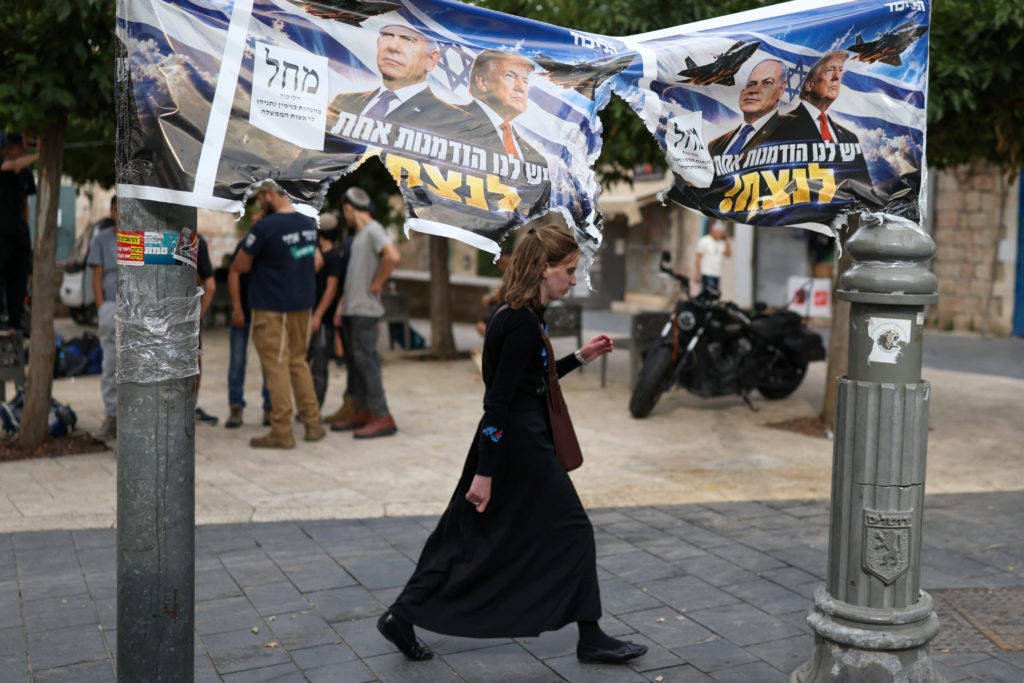
Netanyahu has firmly rejected any possibility of working with Arab-led parties, labeling such alliances as treasonous and warning against a dangerous government. His party’s share of the vote declined from twenty-three point four percent in 2022, reflecting voter unease over his alliance with far-right factions and anger regarding military draft exemptions for ultra-Orthodox Jews. Despite this decline, Likud remains the largest single party, positioning Netanyahu as the likely candidate to be tasked by President Isaac Herzog with forming a government.
Eisenkot has left the door open to partnering with Arab parties under specific conditions, including their recognition of Israel as a Jewish state and acknowledgment of Hamas as an extremist group. However, it remains uncertain whether other potential coalition partners who have previously ruled out such alliances will change their stance. Eisenkot pledged to form a government focused on national unity and described the prospect of a new era of hope, but the political challenges of bridging these divides are substantial.
President Herzog has emphasized the need to avoid another round of elections, noting that Israel held five elections between 2019 and 2022 due to similar stalemates. While the president is not required to task the leader of the largest party with forming a government, Likud’s position as the top vote-getter gives Netanyahu a procedural advantage. If no coalition can be assembled, new elections could be held early next year, raising questions about whether voters abroad and Arab citizens would again participate in high numbers.
The election results reflect deep divisions within Israeli society, particularly regarding the war in Gaza and domestic security policies. Far-right figures like National Security Minister Itamar Ben-Gvir lost support, with many voters viewing his rhetoric as representing the worst aspects of Netanyahu’s government. Meanwhile, proponents of including Arab parties in a coalition argue that overcoming fear and division is essential for the country’s future.
Final results are expected by the end of the week, incorporating approximately half a million absentee ballots from military personnel and diplomats. Until then, political actors will continue to assess their options in a fragmented landscape where minority governments or further electoral cycles remain possible outcomes. The coming weeks will determine whether Israel can achieve a stable administration or faces prolonged uncertainty.
Sources behind this briefing
Go to the original reporting
- PBS NewsHour↗Israelis await final election results as Netanyahu rivals weigh joining forces with Arab parties